EN
EN
 AR
AR CS
CS DA
DA NL
NL FI
FI FR
FR DE
DE IT
IT NO
NO KO
KO PL
PL PT
PT RO
RO RU
RU ES
ES SV
SV TL
TL ID
ID LV
LV SR
SR SK
SK SL
SL VI
VI SQ
SQ ET
ET TH
TH TR
TR AF
AF MS
MS GA
GA HY
HY KA
KA BS
BS LA
LA MN
MN MY
MY KK
KK UZ
UZ KY
KY
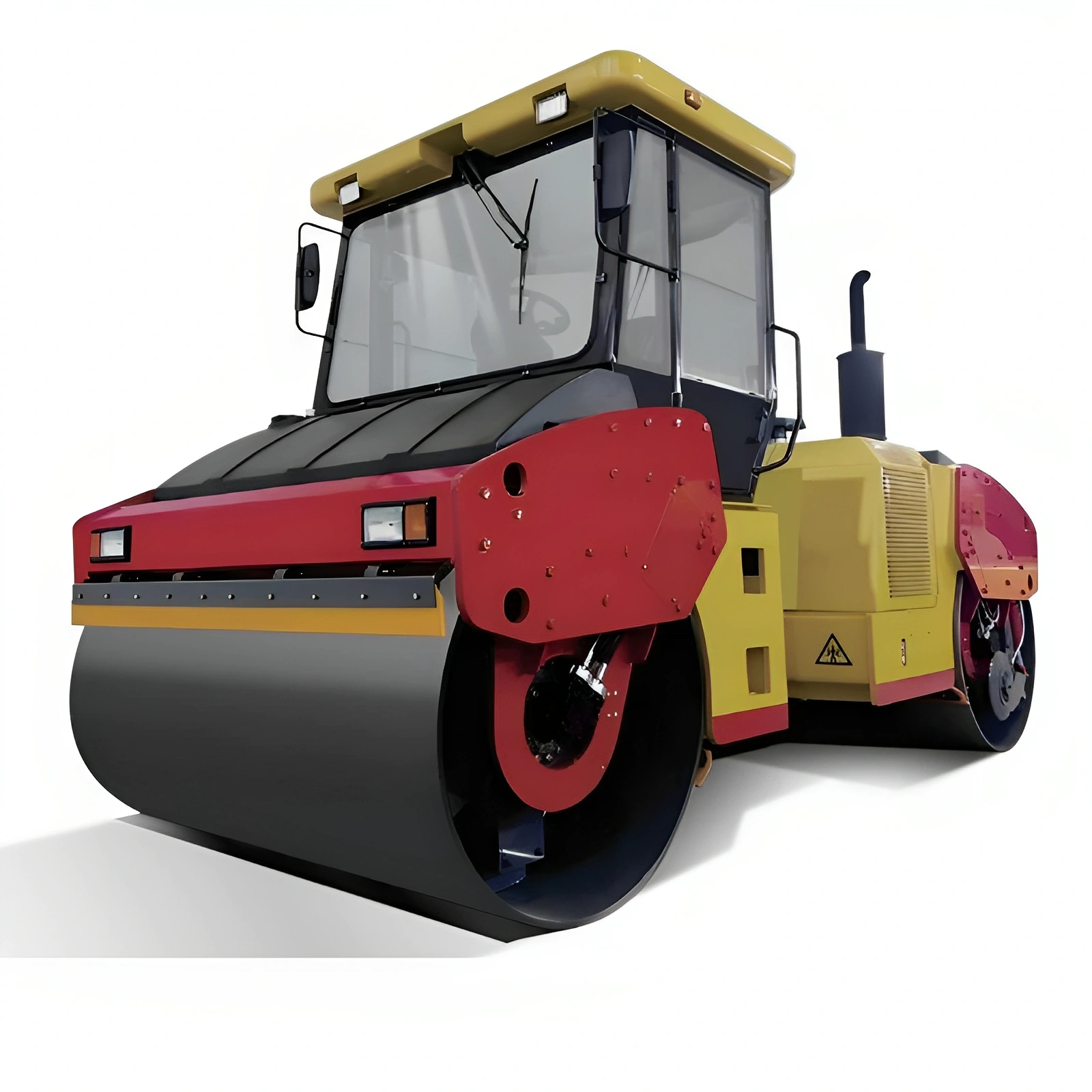
Teeruller kahe rulliga: tuumamehhanism ja insenerilise disain
Kuidas kahe rulliga vibreeriv süsteem teeb tihendusjõu
Kahe rulliga teeruller kasutab kahte terasrulli, mis vibreeruvad iseseisvalt. Iga rulli sees kiirte pöörlevad ebasümmeetrilised kaalud teevad tsentrifugaaljõu – see teisendub kiireteks, kontrollitud löökideks, mis suruvad rulli materjali sisse. See vibreerimine vähendab oluliselt osakestevahelist hõõrdumist, võimaldades pinnase- või asfaltosakeste ümberpaigutuda ja tiheneda tihedamaks kui lihtsalt staatilise rullimisega. Kaasaegsed süsteemid annavad 2000–4000 vibreerimist minutis (33–67 Hz), mille puhul operaatorid valivad seaded vastavalt materjali tüübile ja kihi paksusele. Just see dünaamiline tihendus võimaldab kahe rulliga rullidel saavutada sihttihedust vähem läbimisi – sageli 30–50% vähem kui staatiliste alternatiivide puhul.
Paarisrulli konfiguratsioon ja kaalujaotus ühtlase rõhu tagamiseks
Tandempaigutus — ees- ja tagumised trumlid, mis on paigaldatud jäigale, tasakaalustatud raamile — tagab ühtlase kaalujaotuse kogu töölaial. Mõlemad trumlid on käigukäivitusega trumlid, jagades võimsust ja koormust võrdselt. Ühe-trumliga tampoonide asemel, mis rakendavad jõudu asümmeetriliselt ja teevad ääredeste sügavdamise või erineva settimise tõenäosuse suuremaks, rakendab kahe-trumliga tampoon pidevat vertikaalset rõhku tänavakääru kuni tänavakääru. Insenerid optimeerivad trumlide vahekaugust ja raami geomeetriat, et säilitada madal ja stabiilne raskuskese — see parandab stabiilsust kaldepiirkondades ja vähendab juhi väsimust. Tulemuseks on ühtlane tihedus ja pinnakorrapärasus, mis vastab rangele teepinna spetsifikatsioonile, sealhulgas Ameerika Riikide Automaagistraatide ja Transpordiametite Assotsiatsiooni (AASHTO) ja ASTM D698/D1557 standarditele.
Peamised tehnilised andmed: trumli laius, vibreerimissagedus ja amplituud mõjuvad töökindlusele
Tõukerulli laius (tavaliselt 1,0–2,2 m) mõjutab otseselt ühe läbimisega kattet ja tootlikkust – kuid laiemad rullid nõuavad proportsionaalselt suuremat vibreerivat jõudu sihtkogunemistiheduse saavutamiseks. Vibreerimissagedus (40–70 Hz) määrab impulsside sageduse: kõrgemad sagedused (nt 60–70 Hz) sobivad õhukeste asfaltkihtide puhul (<50 mm), samas kui madalamad sagedused (40–50 Hz) läbuvad sügavamale granulaarsetesse või koheesiivsetesse aluspõhjadesse. Amplituud – rulli tipust tippu vertikaalne liikumine (0,4–2,0 mm) – määrab energiakandmise sügavust: kõrge amplituud (1,5–2,0 mm) tagab tihendamise paksudes kihtides; madal amplituud (0,4–0,8 mm) täiustab pinnakujundust ilma seoseaine ülekoormamiseta. Masinajuhtide ülesanne on nende kolme parameetri tasakaalustamine reaalajas tiheduse tagasiside tööriistade abil (nt nutikad tihendussüsteemid), et vältida alatihendamist, pinnapurunemist või kivimite purunemist – mis on oluline pikkadele teekatte töökindlusele.
Teerulli kahe rulliga peamised rakendused infrastruktuuriprojektides
Asfaltteekatte valamine: tiheduse ja sileduse saavutamine lõppläbimisel
Kaheketilised katturid on tööstusstandardiks kuumse segu asfalti (HMA) lõpplahutamiseks. Nende sünkrooniline, kaheketiline vibreerimine tagab ühtlase rõhu kogu katte laiuses – see kõrvaldab äärise segregatsiooni ja saavutab püsiva tiheduse (tavaliselt 92–96 % maksimaalsest teoreetilisest tihedusest vastavalt AASHTO T 312 standardile), ilma pinnakihis deformatsiooni tekkimata. Lõppläbimisel täpselt reguleeritud amplituud ja sagedus sulgub mikroporid, säilitades samas kivimaterjali orientatsiooni ja siduvaine kihi terviklikkust. Selle kahekordne fookus struktuurilise tiheduse ja pinnakihis sileduse saavutamisel – mida mõõdetakse rahvusvahelise ebaregulaarsuse indeksiga (IRI), mille eesmärk on ≤80 tolli/m – tagab teekatte, mis on vastupidav veepenetreerumisele, süvenemisele ja varajasele väsimusele. Kaasaegsete polümeermodifitseeritud ja soojas segus asfaltside puhul on see tasakaal eriti oluline, nagu on mainitud FHWA juhendis Asfaltteekatte lahutamise juhendid .
Kõrgtäpsuslik tihendus sildade põrandate, lennuväja start- ja maandumisrajade ning stabiilsete aluspõhjade jaoks
Kahe rulliga tihendusmasinad tagavad millimeetritasemel täpsuse seal, kus konstruktsiooniline usaldusväärsus ja pinnatasasus on tingimata nõutud:
- Sildade põrandad : Ühtlane kaalujagunemine vältib lokaliseeritud koormust tugevdatud betoonplaadidel, samas kui madala amplituudiga ja kõrgesageduslikud seaded (0,4–0,8 mm, 60–70 Hz) tagavad sidumiskihvi terviklikkuse ja takistavad delamineerumist
- Lennuväja start- ja maandumisrajad : Optimeeritud paksudele bituumenbetoonkihile (kuni 150 mm), kasutades keskmist amplituudi (1,0–1,4 mm) ja sagedust 45–55 Hz, et saavutada kiire, õhutühimuste puudumise tagav tihendus, mis vastab FAA AC 150/5370-10 nõuetele pinnatasasuse kohta (±3 mm tolerants 3 meetri ulatuses)
- Stabiliseeritud aluspõhjad : Reguleeritav amplituud (0,6–1,8 mm) sobib erinevate fraktsioonidega materjalidele – alates vaese betoonist kuni tsemendiga töödeldud aluspõhjani – tagades ühtlase tiheduse ilma stabiliseeritud osakeste purunemiseta
Need võimalused muudavad kahepoolseid tampreid oluliseks projektide jaoks, mille puhul kehtivad ranged tolerantsid, sealhulgas ICAO lennukiväljade projekteerimise käsiraamat ja Eurocode 7 geotehnilise projekteerimise jaoks.
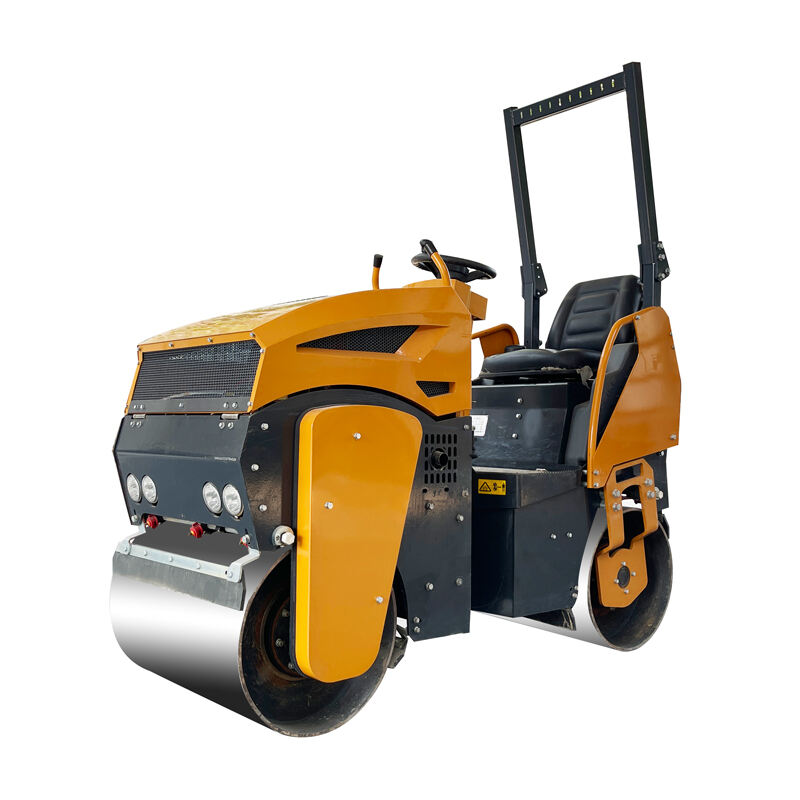
Miks valida teerullerit kahepoolsega? Tootlus, tõhusus ja toimimisega seotud eelised
Üleüldiselt parem katvus, istumisjuhtimine ja tootlikkuse kasv ühepoolsete alternatiivide suhtes
Kahepoolse tampri kasutamine võimaldab ühe läbimise ajal saavutada kuni 40% suurema tootlikkuse kui ühepoolsete tamprite puhul – tänu samaaegsele tihendamisele kogu laiuses ja suuremale netovibratsioonijõule. Sõidukplaadil asuv istumiskoht pakub ergonoomilist ja intuitiivset juhtimist ning kiiruse reguleerimist, vähendades seega masinajuhi väsimust ja parandades läbimiste ühtlust – eriti pikendatud töövahetuste ajal. Täisautomaatsed nutikad tihendussüsteemid (nt ISO 19203-ga vastavusse viidud süsteemid) pakuvad reaalajas tiheduskaarte ja automaatset parameetrite kohandamist, vähendades nii täiendavat tööd. Kütusekulu kompakteeritud materjali tonni kohta on tavaliselt 15–20% madalam kui vastavatel ühepoolsetel tampritel, mis aitab kaasa nii kulutuste vähendamisele kui ka heitkoguste vähendamisele suurte infrastruktuuriprojektide puhul.
Pindkvaliteedi ja konstruktsioonilise tugevuse tasakaalustamine: millal on kahepoolne tampri optimaalne
Kahe rulliga konfiguratsioon rahuldab ühelt poolt täiuslikku pinnakorrapärasust ja teisalt sügavat koormuskandvust – kaks sageli vastuolus olevat nõuet. Selle sümmeetriline kaalajaotus takistab äärte allasurumist, pinna tõukamist ja soojuspaisumise tõttu tekkinud pragusid – probleemid, mis on levinud ühe rulliga kattetõukurite puhul õhukesel kattekihil või tundlikel sillade sõitmispiirkondadel. Süngroonne vibreerimine tagab tiheduse pidevuse kogu kihi paksuses, säilitades samas pinnatekstuuris. Seetõttu on see eelistatud valik lõppkäiguks kõrgkiiruslikele maanteele (AASHTO PP 87 kohaselt), lennuväjade pindadele (FAA AC 150/5370-10 kohaselt) ja linnade taaspinna projekteile, kus on vaja liiklust kohe taastada. Kui pinnakvaliteedi IRI, struktuurmodul ja pikaajaline kahveldumiskindlus peavad kõik korraga vastama spetsifikatsioonile, siis kahe rulliga kattetõukurit ei saa väljatöötatud praktiliste tulemuste põhjal ületada.
KKK
Mis on teepõrutaja kahe rulliga peamine funktsioon?
Peamine funktsioon on pinnase või asfaldi tihendamine sünkroonse vibratsiooni ja ühtlase rõhu abil, saavutades kõrgema tihedusega pinnad ja struktuurilise tugevuse vähema arvu läbimisega kui staatilised rullid.
Millal eelistatakse kahepoolset rullitööriista ühepoolse rullitööriista asemel?
Kahepoolsete rullitööriistade kasutamiseks on ideaalsed lõppläbimised ning projektid, kus nõutakse täpselt regulaarset pinda ja kõrgemat toimivust, näiteks maanteeehitus, sillapinnad, lennukiväljade stardirajad ja linnateed.
Mis on kahepoolsete rullitööriistade peamised seadistatavad parameetrid?
Peamised parameetrid on vibratsioonisagedus, amplituud ja rulli laius. Neid saab täpsustada materjali tüübi, kihi paksuse ja projekti eripärase tihedusnõude alusel.
Kuidas parandavad kahepoolsete rullitööriistade kasutamine projektide efektiivsust?
Nad pakuvad kuni 40% suuremat tootlikkust ühe läbimisega ja väiksemat kütusekulu, samas kui väheneb vajadus parandustööde järele ja täidetakse rangeid nõudeid.