 EN
EN
 AR
AR CS
CS DA
DA NL
NL FI
FI FR
FR DE
DE IT
IT NO
NO KO
KO PL
PL PT
PT RO
RO RU
RU ES
ES SV
SV TL
TL ID
ID LV
LV SR
SR SK
SK SL
SL VI
VI SQ
SQ ET
ET TH
TH TR
TR AF
AF MS
MS GA
GA HY
HY KA
KA BS
BS LA
LA MN
MN MY
MY KK
KK UZ
UZ KY
KY
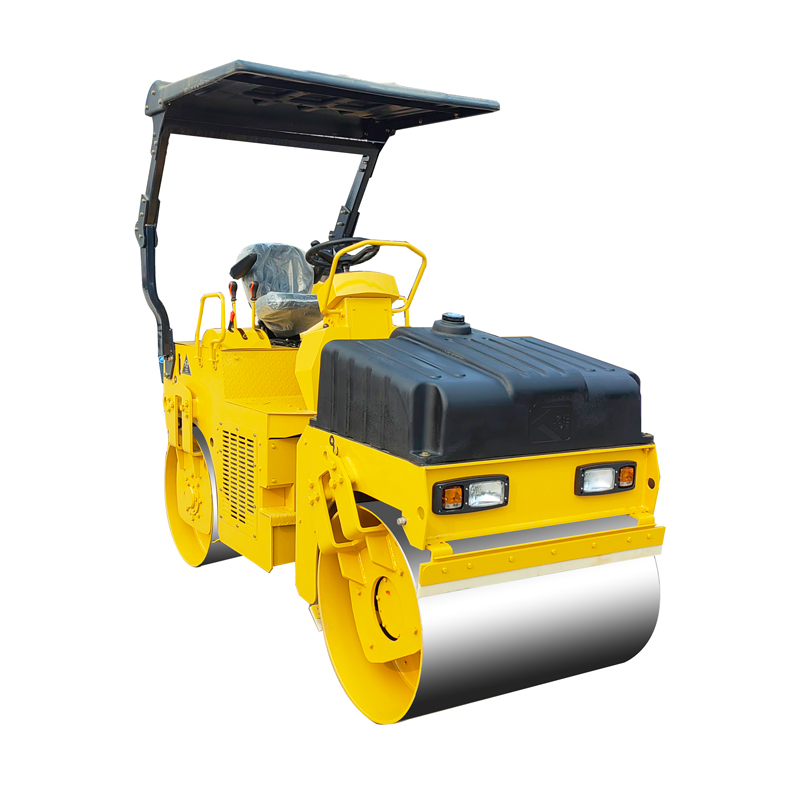
The Science of Stability: Technical Excellence in Modern Road Compaction Machinery
In the global infrastructure sector, the longevity of a road is determined not by the asphalt or concrete layer on top, but by the structural integrity of the foundation beneath. Compaction is the foundational act of civil engineering, a process where material physics meets high-performance machinery. Selecting the right road roller—or compactor—is a decision that ripples through the entire lifecycle of a project, influencing everything from long-term maintenance requirements to surface safety. Drawing from extensive involvement in the international construction machinery sector, it is evident that the transition to intelligent, high-precision rollers is the most significant technological leap in modern road construction, moving the process from an empirical task to a quantifiable engineering discipline.
The Physics of Compaction Dynamics
At the technical core of a high-performance roller is the sophisticated management of energy transfer. Compaction is effectively the removal of air voids from granular materials, forcing particles into a state of maximum density. Professional-grade machines achieve this by balancing three distinct variables: static weight, vibration frequency, and amplitude. From a technical perspective, vibration frequency determines how many impacts occur per unit of time, while amplitude dictates the depth of the compaction force. In infrastructure projects, the ability of the roller to tune these parameters in real-time is what prevents material shear or surface cracking. Engineering expertise confirms that matching the vibration frequency to the natural resonant frequency of the soil or asphalt substrate is the secret to achieving optimal density without over-compacting and degrading the underlying material structure.
Sensor-Driven Precision and Quality Assurance
The traditional reliance on subjective assessment is rapidly being replaced by sensor-integrated technology. Modern rollers function as data-gathering platforms, utilizing accelerometers and moisture sensors to map the density profile of the ground in real-time. This technological shift provides a level of quality assurance that was previously impossible. When the machine indicates that a specific section of the road has reached the target compaction value, it eliminates the need for redundant, time-consuming testing cycles. This transparency in the construction process is essential for meeting the strict requirements of international building codes. By utilizing these advanced interfaces, site managers ensure that every square meter of the project meets structural uniformity standards, significantly reducing the probability of future surface failures that stem from hidden sub-surface weaknesses.
Optimizing Material Utility through Mechanical Versatility
Operational excellence is defined by the versatility of the hardware. Modern infrastructure projects involve diverse substrates, ranging from heavy clay soils in temperate zones to specialized asphalt mixtures in varied climates. High-performance rollers are engineered to provide a degree of flexibility, allowing operators to switch between high-amplitude settings for deep soil stabilization and high-frequency, low-amplitude settings for finish-layer work. This versatility allows the machinery to adapt to the material being processed, rather than forcing the process to adapt to the limitations of the machine. The durability of these units is built into the chassis and the drum assembly, which are engineered with reinforced, high-tensile steel to survive the abrasive nature of road construction while maintaining perfect drum alignment—a technical prerequisite for a seamless, defect-free road surface.
Sustainability and Lifecycle Longevity
The industry-wide move toward sustainable construction has forced a re-evaluation of how compaction equipment is built and operated. Professional rollers now incorporate energy-efficient hydraulic systems that minimize fuel consumption while maximizing torque output. Furthermore, the longevity of the equipment is a critical sustainability factor. A compactor that remains in service for an extended operational lifespan is fundamentally more eco-friendly than one that requires replacement after a few construction seasons. Maintenance transparency is essential here; machines designed with intuitive access to hydraulic valves, filter assemblies, and bearing lubrication ports allow for proactive service cycles that extend the life of the unit. This reliability is vital for contractors who need to minimize downtime and avoid the logistical challenges of equipment failure on remote job sites.
Strategic Sourcing and Industrial Manufacturing Excellence
Storike represents a benchmark in the engineering and supply of high-grade construction solutions, providing the essential infrastructure for modern road and civil projects. By integrating advanced production technology with a deep understanding of international construction standards, the enterprise delivers reliable solutions for global distributors and infrastructure developers. The manufacturing capacity of Storike is defined by rigorous quality control processes that oversee every phase of the machinery lifecycle, from component fabrication to final performance testing. This professional dedication ensures that every unit meets global durability and safety benchmarks. For businesses seeking a partner that understands the technical nuances of the global supply chain, Storike offers the engineering precision and technical transparency necessary to execute large-scale infrastructure projects successfully, solidifying its reputation as a leader in the civil construction machinery sector.
Table of Contents
- The Science of Stability: Technical Excellence in Modern Road Compaction Machinery
- The Physics of Compaction Dynamics
- Sensor-Driven Precision and Quality Assurance
- Optimizing Material Utility through Mechanical Versatility
- Sustainability and Lifecycle Longevity
- Strategic Sourcing and Industrial Manufacturing Excellence
