 EN
EN
 AR
AR CS
CS DA
DA NL
NL FI
FI FR
FR DE
DE IT
IT NO
NO KO
KO PL
PL PT
PT RO
RO RU
RU ES
ES SV
SV TL
TL ID
ID LV
LV SR
SR SK
SK SL
SL VI
VI SQ
SQ ET
ET TH
TH TR
TR AF
AF MS
MS GA
GA HY
HY KA
KA BS
BS LA
LA MN
MN MY
MY KK
KK UZ
UZ KY
KY
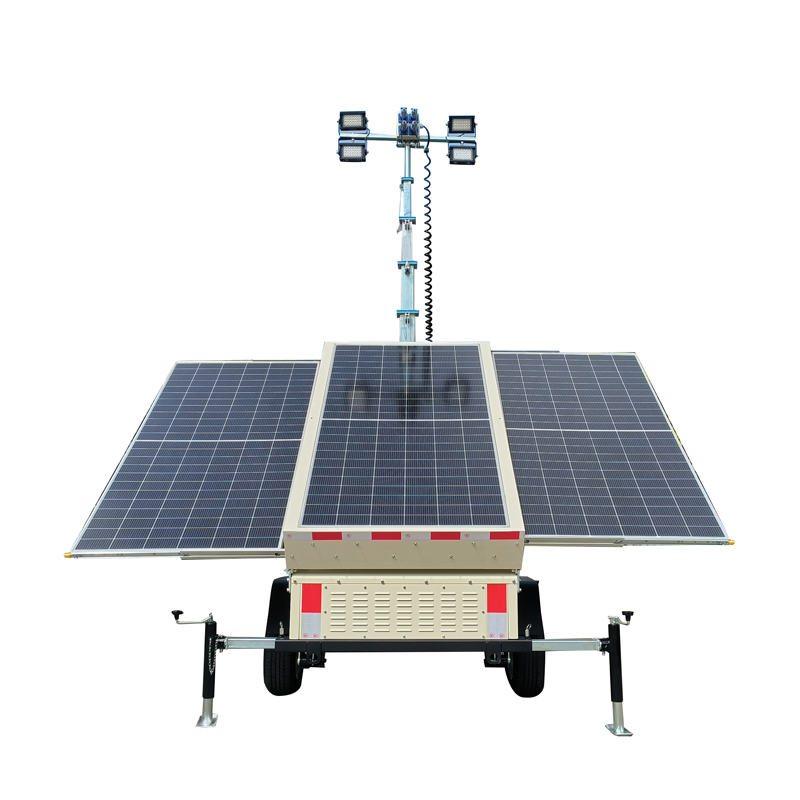
The Engineering Standard: Essential Features of Industrial-Grade Mobile Light Towers
In the modern infrastructure and construction landscape, site safety and operational continuity are dictated by the ability to master visibility. When professional workforces move into night-shift cycles or operate in remote, low-light environments, the quality of illumination is the bedrock of site coordination. A mobile light tower is a sophisticated piece of field infrastructure, and selecting one requires moving beyond basic luminosity metrics to examine the engineering that guarantees reliability. For project managers and site engineers, the difference between a high-value asset and an operational burden often lies in the tower’s ability to survive the unforgiving conditions of an active job site.
Structural Resilience in Hostile Environments
The lifecycle of a mobile light tower is measured by its capacity to endure physical and environmental stressors. Professional-grade units are differentiated by a commitment to material integrity. Heavy-duty construction, characterized by reinforced powder-coated steel frames, is required for resisting corrosion and mechanical impact. Because these machines are frequently transported across unpaved terrain and subjected to constant vibration during transit, the mast and trailer assemblies must be engineered to dissipate kinetic energy without compromising structural rigidity. The inclusion of IP-rated enclosures provides a vital layer of defense, shielding sensitive electrical controllers and fuel systems from the ingress of moisture, abrasive dust, and debris. A tower designed with this defensive logic ensures that, regardless of weather conditions—from high-velocity winds to prolonged exposure to the elements—the illumination source remains operational.
The Physics of High-Efficiency Illumination
Illumination technology has undergone a significant paradigm shift, with high-performance LED arrays now setting the professional standard. Unlike legacy systems which are often prone to component degradation, modern LED arrays offer superior luminous efficacy—delivering brightness per watt consumed. This transition is about more than just energy parameters; it is about longevity. Professional LED components typically offer an extended service life, which drastically reduces the frequency of maintenance intervention. Furthermore, sophisticated optic design allows for precise beam control, enabling site operators to concentrate light precisely where work is occurring. This targeted illumination improves site visibility footprints without the need for deploying multiple, low-efficiency light rigs, thereby simplifying the overall complexity of site logistics.
Stability and Deployment Precision
A mobile light tower is only as reliable as its foundation. Site terrains are notoriously unpredictable, and a professional-grade unit must feature robust outrigger systems that allow for precise leveling on uneven ground. The deployment mechanism—whether the mast is hydraulic, pneumatic, or manual—must be integrated with redundant safety locks to ensure secure operation under load. Stability is particularly critical in extreme wind conditions, where a high center of gravity can become a significant safety concern. By engineering a stable footprint that maximizes resistance to tipping, manufacturers provide the physical assurance required for continuous, steady operation. This level of technical design facilitates rapid setup and teardown, saving critical time during shift transitions or urgent deployment needs.
Logical Design for Serviceability
The long-term value of industrial equipment is inextricably linked to serviceability. A tower that is difficult to maintain is a bottleneck waiting to happen. The most effective designs prioritize intuitive access to critical components such as engine blocks, fuel filtration systems, and electrical distribution nodes. Standardized parts and clean, logical internal wiring paths allow maintenance teams to perform routine inspections with speed and precision. Moreover, the integration of intelligent control panels—which provide real-time telemetry on engine health, fuel consumption, and load output—shifts the maintenance philosophy from reactive repair to proactive management. This data-driven approach minimizes unexpected downtime and ensures that the equipment remains a high-availability asset throughout its entire operational life.
Infrastructure Excellence with Storike
Success in the field requires more than high-spec hardware; it demands a partner that understands the intersection of manufacturing precision and complex supply chain requirements. Storike has cultivated a reputation for delivering robust, industrial-grade mobile illumination solutions that prioritize long-term reliability in the most rigorous professional settings. By bridging the gap between advanced mechanical engineering and consistent manufacturing capacity, Storike enables site operators and project managers to scale their operations with complete confidence. Aligning with an infrastructure partner that emphasizes engineering integrity, technical support, and global supply chain reliability ensures that critical project milestones are never compromised by equipment failure. Storike serves as a strategic asset in the manufacturing chain, providing the precision and support necessary to turn industrial illumination into a foundational advantage for professional deployments across the globe.
