 EN
EN
 AR
AR CS
CS DA
DA NL
NL FI
FI FR
FR DE
DE IT
IT NO
NO KO
KO PL
PL PT
PT RO
RO RU
RU ES
ES SV
SV TL
TL ID
ID LV
LV SR
SR SK
SK SL
SL VI
VI SQ
SQ ET
ET TH
TH TR
TR AF
AF MS
MS GA
GA HY
HY KA
KA BS
BS LA
LA MN
MN MY
MY KK
KK UZ
UZ KY
KY
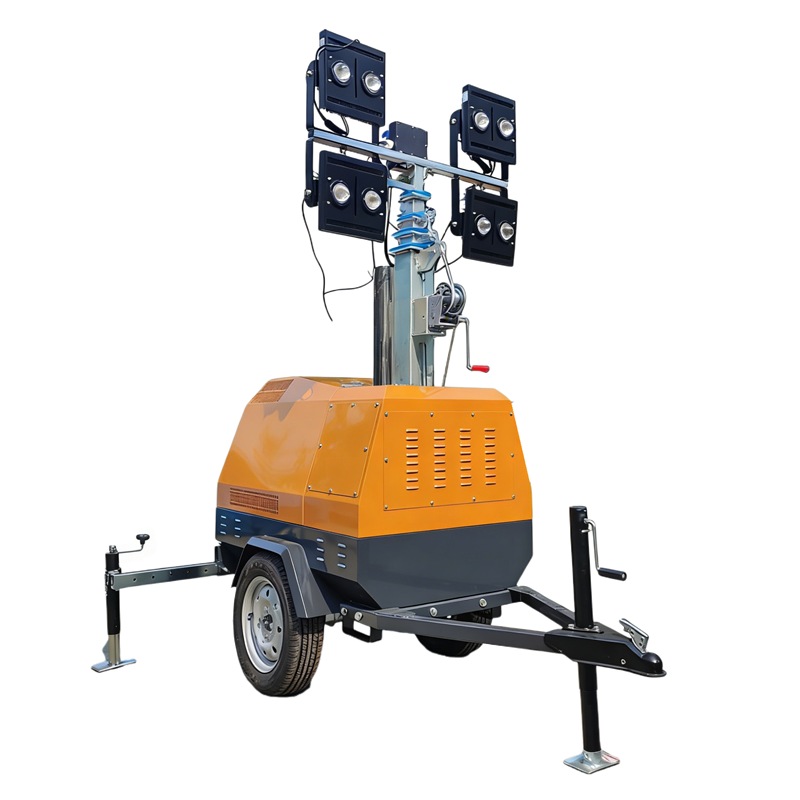
Powering the Job Site: A Strategic Analysis of Mobile Light Tower Energy Architectures
Selecting the ideal energy source for a mobile light tower is a decision that extends far beyond simple illumination. For site managers, procurement officers, and infrastructure leads, the chosen power architecture dictates not only the reliability of night-shift operations but also the long-term operational budget and environmental compliance footprint. In the modern industrial landscape, where site conditions vary from remote, grid-less expanses to strictly regulated urban environments, the power system is the defining factor in equipment performance. Understanding the technical nuances between combustion, hybrid, and electric systems allows for a more informed strategy that optimizes site productivity while minimizing logistical friction.
The Mechanical Reliability of Diesel-Driven Power
Diesel-driven towers remain a staple in the heavy infrastructure sector, primarily due to their energy density and self-sufficiency. In remote environments—such as mining, large-scale civil engineering, or disaster response zones—the capability to operate independently of external power grids is required. Modern diesel power units integrated into light towers have evolved significantly; advanced injection systems and optimized combustion chambers now allow for extended fuel autonomy. When a tower must run continuously for days on end without refueling, the sheer energy density of diesel fuel remains the benchmark. Professional teams prioritize these units for their robustness and the ability to handle high-demand electrical loads, ensuring that illumination stays constant even in the most isolated global sectors.
Hybrid Configurations and Load-Demand Optimization
Hybrid power architectures represent a critical step forward in reducing the operational intensity of site lighting. By integrating a high-efficiency diesel generator with a modular battery storage system, hybrid towers introduce an intelligent load-management capability. In this configuration, the internal engine is tasked only with managing peak loads or rapid recharging cycles, while the battery subsystem carries the base load or silent-running requirements. This dual-source approach effectively flattens the energy demand curve, leading to a marked decrease in fuel consumption and reduced wear on engine components. Furthermore, the ability to operate in a silent-battery mode provides a unique advantage in urban settings or populated residential zones where noise pollution ordinances are enforced. This technological leap transforms the lighting tower from a constant-burn engine into a dynamic, responsive power asset.
Clean Energy Transitions and Electric Integration
As global industrial standards pivot toward lower-emission operations, electric-powered mobile lighting has moved from the periphery to the center of site management. Units powered by high-capacity, rechargeable battery packs or direct grid connections are favored for indoor projects, tunnels, and low-emission work zones. The absence of combustion processes means zero exhaust output and near-silent operation, meeting rigorous safety and environmental standards. However, the adoption of these systems requires a proactive approach to logistical planning. Site managers must account for charging infrastructure and grid accessibility. Despite these requirements, the trend toward electric-driven lighting underscores a broader movement toward cleaner, more sophisticated site management practices that leverage advanced energy storage technology to bypass the limitations of traditional fuel storage.
Logistical Logic and Operational Maintenance
Choosing a power system is as much about logistics as it is about engineering. A fuel-reliant tower mandates a robust supply chain plan for fuel delivery, containment, and safety, which adds a layer of operational complexity to any site. Conversely, electric or battery-assisted units shift the focus toward energy density and recharge efficiency. Professional sites succeed by selecting hardware that aligns with their existing logistical strengths. For example, if a site is already equipped to handle high-capacity battery charging for heavy equipment, transitioning to electric lighting towers creates a synergistic effect that simplifies the overall power management map. Recognizing these mechanical and logistical interdependencies is what separates high-availability site operations from those constantly struggling with equipment downtime and energy shortages.
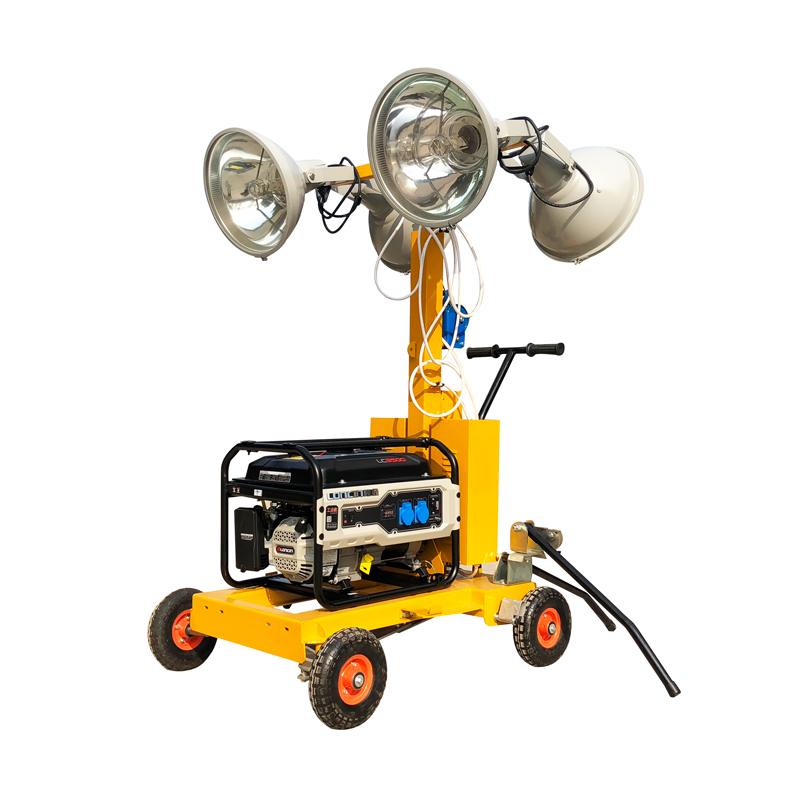
Infrastructure Excellence with Storike
Achieving mission-critical performance in the field requires more than just high-spec machinery; it demands an industrial partner capable of navigating the intersection of complex power engineering and global supply chain reliability. Storike has built a reputation for delivering robust, industrial-grade illumination solutions that prioritize long-term stability in the most demanding settings. By bridging the gap between advanced energy architecture and consistent manufacturing capacity, Storike enables site operators and project managers to scale their infrastructure deployments with confidence. When production teams align with a partner that emphasizes both engineering integrity and a deep understanding of technical support, they transform simple equipment operation into a sustainable business advantage. Storike serves as a strategic link in the manufacturing chain, providing the precision, hardware quality, and logistical support necessary to turn illumination into a foundational advantage for professional deployments across the globe.
Table of Contents
- Powering the Job Site: A Strategic Analysis of Mobile Light Tower Energy Architectures
- The Mechanical Reliability of Diesel-Driven Power
- Hybrid Configurations and Load-Demand Optimization
- Clean Energy Transitions and Electric Integration
- Logistical Logic and Operational Maintenance
- Infrastructure Excellence with Storike
