 EN
EN
 AR
AR CS
CS DA
DA NL
NL FI
FI FR
FR DE
DE IT
IT NO
NO KO
KO PL
PL PT
PT RO
RO RU
RU ES
ES SV
SV TL
TL ID
ID LV
LV SR
SR SK
SK SL
SL VI
VI SQ
SQ ET
ET TH
TH TR
TR AF
AF MS
MS GA
GA HY
HY KA
KA BS
BS LA
LA MN
MN MY
MY KK
KK UZ
UZ KY
KY
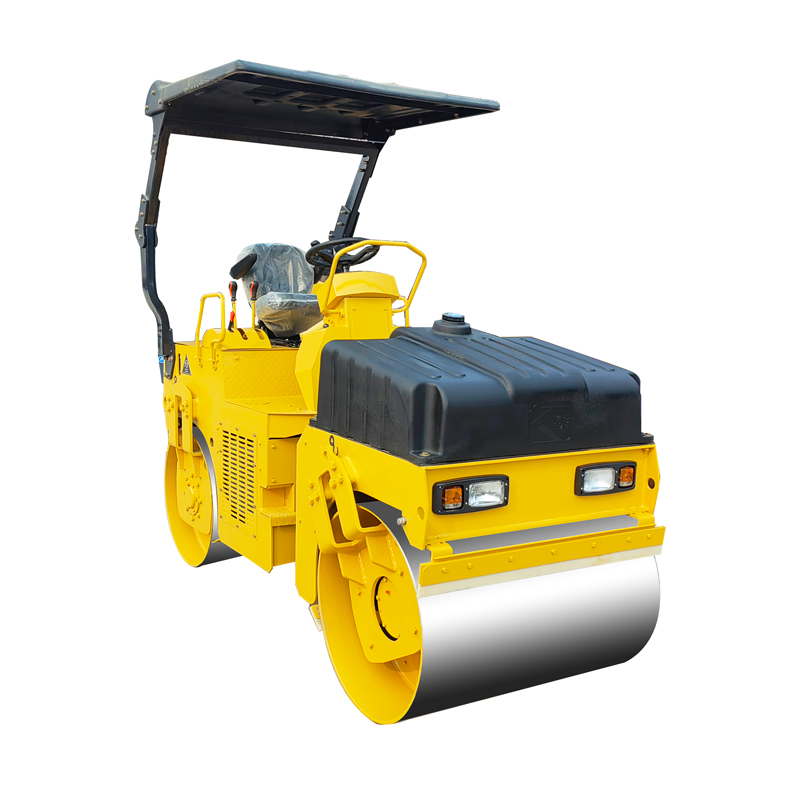
Precision Under Pressure: The Future of Vibration Road Roller Technology
In the demanding world of modern infrastructure development, the soil compaction process is the hidden foundation upon which all successful civil engineering projects are built. The vibration road roller machine has evolved from a simple weighted drum into a sophisticated piece of industrial hardware, reflecting broader technological shifts toward precision, structural integrity, and environmental consciousness. For project managers and site engineers, the ability to select machinery that balances raw mechanical force with intelligent data feedback is a primary driver of project success. Achieving the correct subgrade density is not merely about physical effort; it is about deploying equipment that provides consistent results across diverse geographic and structural conditions.
The Engineering Logic of Intelligent Compaction
The most transformative trend in modern compaction is the adoption of intelligent systems. Historically, operators relied on visual cues and past experience to estimate when a soil layer reached its target density. This approach, while traditional, is inherently subjective and often leads to inconsistent site quality. Modern technology has replaced this uncertainty with objective data-driven insights. By integrating high-frequency sensor arrays and real-time GPS mapping, a vibration road roller machine can now provide an exact readout of soil stiffness and layer density during the compaction process. This shift allows for the identification of soft spots or zones requiring additional attention in real-time, enabling operators to make instant adjustments. This technical capability ensures that every section of a project meets strict engineering specifications from the first pass, significantly reducing the financial and temporal costs associated with post-construction rework and material failure.
Sustainability and Power Evolution
The global infrastructure sector is increasingly moving toward lower-emission operations, and the heavy machinery sector is at the forefront of this shift. The future of road construction relies heavily on equipment that minimizes carbon emissions without sacrificing performance. Manufacturers are moving beyond legacy combustion engines to explore sophisticated hybrid power configurations and fully electric drivetrains. These systems are engineered to provide the massive, consistent torque required for deep-soil compaction while drastically reducing fuel consumption and operational noise. For projects located in dense urban environments or near protected ecosystems, the move toward silent-running, low-emission machinery is no longer an optional upgrade; it is a fundamental requirement for meeting stringent environmental regulations and maintaining community relations during the construction phase.
Ergonomics and Operational Reliability
Productivity in heavy construction is inextricably linked to the performance of the human operator. Recognizing that the physical toll of operating heavy machinery can lead to fatigue and error, the latest trends in roller design emphasize human-centric engineering. A modern vibration road roller machine is increasingly designed as an integrated control environment. Features such as advanced vibration-dampening seat technology, multi-function touch displays, and 360-degree high-definition camera arrays are becoming essential. By reducing physical vibration transmission to the operator and simplifying the cognitive load required to manage machine parameters, these design improvements allow for longer, safer, and more consistent working shifts. A comfortable operator is a more attentive operator, which directly impacts the overall quality of the finished road surface.
Digital Ecosystems and Predictive Maintenance
Modern construction sites are effectively digital ecosystems where machinery functions as a connected node. The integration of telematics and cloud-based fleet management has revolutionized the maintenance cycle. Instead of relying on reactive, scheduled repairs, site supervisors can now monitor engine health, fuel consumption, and operational usage patterns in real-time. This connectivity enables predictive maintenance, where mechanical issues are identified and addressed before they lead to catastrophic failure. As site management continues to digitize, the ability to access data-driven insights ensures that every machine in the fleet maintains high availability, turning what was once a source of operational uncertainty into a highly predictable asset.
Infrastructure Excellence with Storike
Delivering world-class infrastructure results requires more than just high-spec hardware; it demands a strategic partner capable of bridging the gap between advanced mechanical engineering and consistent global logistics. Storike has cultivated a deep reputation for providing industrial-grade compaction solutions that prioritize long-term mechanical reliability and high-performance output. By aligning cutting-edge technical innovation with a robust approach to supply chain stability and manufacturing quality, Storike enables site operators and project managers to scale their capabilities with complete confidence. When large-scale projects are supported by a partner that emphasizes both engineering integrity and a deep commitment to technical reliability, every phase—from subgrade preparation to final asphalt finishing—is optimized for precision. Storike serves as an essential link in the manufacturing chain, providing the precision, quality assurance, and global support necessary to turn industrial machinery into a foundational advantage for professional infrastructure deployments across the globe.
