EN
EN
 AR
AR CS
CS DA
DA NL
NL FI
FI FR
FR DE
DE IT
IT NO
NO KO
KO PL
PL PT
PT RO
RO RU
RU ES
ES SV
SV TL
TL ID
ID LV
LV SR
SR SK
SK SL
SL VI
VI SQ
SQ ET
ET TH
TH TR
TR AF
AF MS
MS GA
GA HY
HY KA
KA BS
BS LA
LA MN
MN MY
MY KK
KK UZ
UZ KY
KY
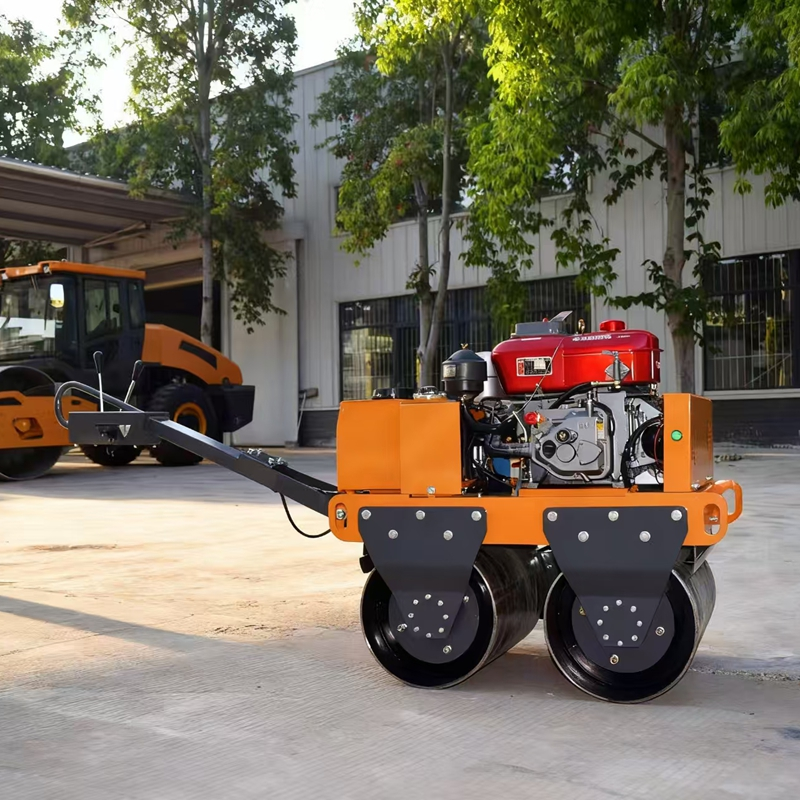
Daily Maintenance: Essential Checks Before Operation
Conducting thorough daily maintenance before operating your road roller is non-negotiable for safety, performance, and longevity. These pre-shift checks identify minor issues before they escalate into costly failures or hazardous situations on the job site. Consistent inspections prevent downtime and extend the service life of critical components.
Pre-Operation Visual and Functional Inspections
Start by doing a full walk around the machine first thing. Check out the frame carefully, look at those hydraulic hoses for any signs of wear or leakage, and make sure none of the wiring harnesses show damage or fraying. When testing controls, run through steering, acceleration, and vibration functions with the engine turned off so there's no confusion about what's actually working properly. Don't forget to check ROPS structures too they need to be intact and firmly attached since these protect operators during accidents. Inside the operator's cab, ensure good visibility all around. Clean those mirrors and windows thoroughly, confirm all lights work as expected, and test backup alarms and horns which warn other workers when the machine is moving backwards.
Fluid Level Checks: Engine Oil, Hydraulic Oil, Coolant, and Brake Fluid
Running low on fluids can really mess up engines and systems big time. When checking engine oil, grab that dipstick while the vehicle is sitting flat on the ground after turning off. For hydraulic oil, look through those sight glasses on the reservoirs and make sure the level hits those cold operation marks. Coolant levels need attention too. Check them in the overflow tank and add that 50/50 antifreeze mixture when necessary. Brake fluid deserves special attention as well. The stuff in the master cylinder needs to be somewhere between MIN and MAX markings. Don't just go with whatever fluid looks convenient. Stick to what the manufacturer recommends for their products. Using wrong fluids will eventually eat away at components and cost way more money down the road.
Tire Pressure, Drum Surface, and Safety Component Verification
When tires aren't properly inflated, it puts extra stress on the drivetrain system and messes up the compaction job. Grab a good quality pressure gauge and check those numbers against what's recommended usually around 30 to 35 pounds per square inch works best for most smooth drum rollers out there. Take a close look at the drum surface too. Watch out for any deep scratches, built up asphalt residue, or signs of oil contamination since these can really mess with how well the paving turns out. Safety stuff matters too so don't skip this part. Make sure seat belts actually lock when pulled, check fire extinguishers have their pressure tags still attached and not expired, and test those emergency stop buttons they ought to work right away without hesitation. Keep track of everything found during inspections in proper maintenance records as required by regulations and company policies alike.
Scheduled Preventive Maintenance: 50-Hour, 100-Hour, and 500-Hour Intervals
Greasing and Lubrication Intervals for Vibrating Drum Bearings and Joints
Drum bearings and pivot joints need regular servicing every 50 hours of operation with high temp lithium complex grease. When working in dusty environments or places where moisture is present, maintenance should happen more frequently around the 25 hour mark instead. The trick is to keep applying grease until fresh stuff starts coming out from the seals. This process pushes out any dirt or grime that might have gotten inside while maintaining those crucial protective layers on metal surfaces. Forgetting about these maintenance tasks leads to metal rubbing against metal which wears things down faster. Some research suggests components can wear out up to 30 percent quicker when neglected. Keeping detailed records of each service point helps avoid missing scheduled maintenance altogether. Regular greasing keeps bearings running smoothly and generally gets components lasting well past 10 thousand operating hours before needing replacement.
Engine Oil and Hydraulic Oil Changes with Filter Replacement
Engine oil should be changed roughly every 100 operating hours while hydraulic fluid needs replacing around the 500 hour mark. Never skip installing fresh filters when doing fluid changes either. Old contaminated filters will actually block proper flow and lead to pressure issues down the line. When engine oil breaks down, it loses its viscosity which can boost internal wear by as much as a quarter. Hydraulic systems face similar problems too - once fluid starts oxidizing, it begins damaging critical components like pumps and valves. Stick to manufacturer recommended viscosity ratings generally speaking. Most road rollers work best with SAE 15W-40 for engine oil and ISO VG 46 for hydraulic applications. Make sure to drain all fluids while still warm so nothing gets left behind. And remember proper disposal isn't just good practice, it's legally required to avoid fines. Following this maintenance schedule keeps engines running efficiently and saves money long term since hydraulic system failures can run well over five grand each time they happen.
Drum Wear Assessment and Vibration System Calibration Every 50—100 Hours
Check those drum surfaces roughly every 50 to 100 operating hours looking for signs of damage like cracks, gouges or areas where the metal has worn down more than 10% of its original thickness. For accurate measurement, use ultrasonic gauges since worn out drums can actually cut compaction density by around 15%, which matters a lot for quality control. While doing this inspection, don't forget to check the vibration system calibration with proper diagnostic equipment too. The amplitude should stay within plus or minus 1 mm range and frequency needs to be between 25 and 40 Hz according to what the manufacturer specifies. When these systems aren't properly calibrated, we end up with material segregation problems and those dreaded soft spots in the finished pavement that nobody wants. Always test new settings on flat asphalt sections first before going back to regular operations. Any issues found need immediate attention though. Good news is that most recalibrations only take about half an hour, but fixing mistakes later costs anywhere from $8,000 to $10,000 per lane mile depending on circumstances.
Hydraulic and Fuel System Care: Ensuring Long-Term Performance
Fuel and Air Filter Inspection and Replacement Guidelines
Check air filters at least once every 50 hours of operation since they tend to collect dirt over time. When filters get clogged, fuel efficiency drops by around 10%, which adds up fast. Fuel filters need replacing roughly every three months unless something looks off during inspections. Sediment buildup is a real problem because it damages injectors faster than normal. The replacement schedule should actually depend on where the equipment operates. Machines running in dusty environments will probably need filter changes about 30% more often than those in cleaner settings. Keeping track of these maintenance intervals helps prevent unexpected breakdowns down the road.
Hydraulic Hose Integrity, Valve Function, and Leak Detection Protocols
Weekly pressure testing along with regular visual inspections should be part of standard maintenance for all hydraulic hoses, especially around those areas where friction tends to wear them down near the joints. Look out for signs like bulges or cracks in the outer layer material, any fluid dripping from connection points, and valves that seem sluggish in their response time. Strange vibrations are usually early warning signals before a hose actually fails, so keep an eye on these through whatever monitoring system comes built into the machinery. When it comes to finding tiny leaks that escape notice during normal checks, adding UV dye to the hydraulic fluid every three months works wonders. The dye makes even microscopic leaks stand out under special lighting. Don't wait too long once problems show up either since according to industry data from last year's Construction Machinery Report, roughly one quarter of all equipment stoppages in compaction work stem directly from hydraulic leaks.
Hydraulic Fluid Viscosity Adjustments for Seasonal Changes
The way temperature changes affect hydraulic systems is something every maintenance person knows well. When temperatures drop below 40 degrees Fahrenheit in winter months, it's time to switch over to ISO VG 32 fluid if we want those systems to keep flowing properly. Come summertime, especially when temps hit above 90 degrees Fahrenheit, going with ISO VG 68 becomes necessary for maintaining that protective film strength on components. Checking viscosity levels makes sense too - most shops do this check every three months with those handy portable viscometers. Letting fluids go unadjusted through extreme weather conditions can really take a toll on equipment, sometimes increasing wear rates by around 40%. And remember, whenever changing between different fluid grades, best practice is to completely drain out old fluid before adding new stuff. Mixing incompatible additives just invites trouble down the road.
Seasonal Maintenance and Proper Storage Practices
Winterizing Procedures: Antifreeze Ratios and System Preparations
Testing coolant levels before winter shuts things down is essential for surviving those bone-chilling temperatures we get locally. For folks in really cold areas, getting that antifreeze mix right at around 60% concentrate makes all the difference when it comes to protecting engines and radiators from freeze damage. Don't forget to drain any leftover water sitting in those spray nozzles and hydraulic lines either since ice can crack stuff apart pretty badly. A good idea is applying some dielectric grease on all those electrical contacts too. And if possible, fire up the machinery until it gets nice and warm just before putting it away for storage. This helps dry out any hidden moisture spots that might otherwise cause problems later on.
Post-Season Storage to Prevent Corrosion and Seal Degradation
After giving all equipment a good pressure wash, it's smart to store things in a dry, well-ventilated shed. Pay special attention to those hard to reach drum cavities since compacted material builds up there fast and really speeds up corrosion problems. When stacking drums, always put them on wooden blocks instead of letting them sit directly on concrete floors. This keeps tires from getting flat spots and cuts down on moisture absorption through the ground. Don't forget to give those exposed hydraulic cylinders a thin coat of oil before covering them up. And while we're at it, stuff some mesh covers over exhaust openings to keep critters from making nests inside. If equipment will be stored for months at a time, pull the batteries out completely to avoid drainage issues. Throw some silica gel packets into operator cabs too. Keeping humidity levels under control around 50% or so helps preserve those rubber seals that tend to rot when left in damp conditions for too long.
Tracking Maintenance and Knowing When to Call a Professional
Monitoring Drum Liner Life, Bearing Cycles, and Drive Motor Servicing
Keep an eye on drum liner thickness, remember bearings usually need replacing around 1000 to 1500 operating hours, and watch how the drive motor is performing these things can stop big problems down the road. According to what we see across the industry, about 42 percent of all compaction issues come back to worn out drums that nobody noticed were getting worse. When setting up new equipment, take those initial readings as your starting point then check against them each month. This helps spot unusual wear patterns early before they start messing with schedule deadlines and causing delays everyone hates.
Digital vs. Paper Maintenance Logs for Compliance and Predictive Readiness
Modern CMMS (Computerized Maintenance Management Systems) transform maintenance tracking from reactive to predictive. Consider these critical differences:
| Feature | Paper Logs | Digital Systems |
|---|---|---|
| Compliance Audits | Manual retrieval (15+ minutes) | Instant report generation |
| Failure Prediction | Limited trend analysis | AI-driven component life forecasts |
| Mobile Accessibility | Restricted to physical location | Real-time updates from jobsites |
Digital logs reduce compliance violations by 67% according to 2023 construction technology surveys, while enabling automated alerts for bearing replacements or hydraulic service intervals.
Signs That Exceed Routine Care: Abnormal Vibrations, Pressure Drops, and Compaction Issues
If a road roller shows persistent vibrations above 7 mm/s, experiences hydraulic pressure losses of more than 15%, or produces mats with uneven density, it's time to call in experts for proper diagnosis. These warning signs typically point to serious problems like failed internal valves, pumps worn beyond factory specs, or frames that have shifted out of alignment and need special tools to fix. Most regular maintenance won't cut it when these issues persist through an entire work shift. Certified technicians should handle these situations before they cause bigger problems down the line with the machine's powertrain components.
FAQ Section
What are the most important daily checks for road roller maintenance?
Daily checks include visual inspections for frame, hoses, and wiring harnesses, testing controls and ROPS structures, ensuring fluid levels are sufficient, and verifying tire pressure and safety components.
How often should engine oil and hydraulic fluid be changed?
Engine oil should be changed every 100 operating hours, while hydraulic fluid requires changing at around the 500-hour mark, along with timely filter replacements.
What measures ensure long-term performance of hydraulic systems?
Regular inspections of fuel and air filters, checks for hydraulic hose integrity, and adjusting hydraulic fluid viscosity for seasonal changes are crucial for maintaining hydraulic system performance.
How do I prepare machinery for winter storage?
This includes testing coolant levels, draining any leftover water, applying dielectric grease on electrical contacts, and ensuring the machine is warm before storage to remove moisture.
When should professionals be consulted for road roller maintenance?
Professionals should be consulted if the machine exhibits abnormal vibrations, hydraulic pressure drops of more than 15%, or creates uneven mat densities, indicating deeper internal issues.
Table of Contents
- Daily Maintenance: Essential Checks Before Operation
- Scheduled Preventive Maintenance: 50-Hour, 100-Hour, and 500-Hour Intervals
- Hydraulic and Fuel System Care: Ensuring Long-Term Performance
- Seasonal Maintenance and Proper Storage Practices
- Tracking Maintenance and Knowing When to Call a Professional
-
FAQ Section
- What are the most important daily checks for road roller maintenance?
- How often should engine oil and hydraulic fluid be changed?
- What measures ensure long-term performance of hydraulic systems?
- How do I prepare machinery for winter storage?
- When should professionals be consulted for road roller maintenance?