EN
EN
 AR
AR CS
CS DA
DA NL
NL FI
FI FR
FR DE
DE IT
IT NO
NO KO
KO PL
PL PT
PT RO
RO RU
RU ES
ES SV
SV TL
TL ID
ID LV
LV SR
SR SK
SK SL
SL VI
VI SQ
SQ ET
ET TH
TH TR
TR AF
AF MS
MS GA
GA HY
HY KA
KA BS
BS LA
LA MN
MN MY
MY KK
KK UZ
UZ KY
KY
Mini Excavator vs. Standard: Key Differences
The Evolution of Site-Specific Engineering In the demanding world of heavy construction and civil engineering, the choice of equipment often dictates whether a project maintains its structural form over time or faces complications due to material behavior. The distinction between mini excavators and standard excavators has transformed how sites are approached. Understanding the real-world differences between these two classes of machines is not just about measuring dimensions; it is about knowing how to optimize the technical workflow of a project. For those involved in site management and equipment selection, picking the machine that matches the mechanical demands of the task—whether it involves large-scale earthmoving or constrained utility installation—is a strategic decision. As job sites become increasingly complex, the distinction between these two categories of machinery becomes the primary driver of operational predictability and overall site performance.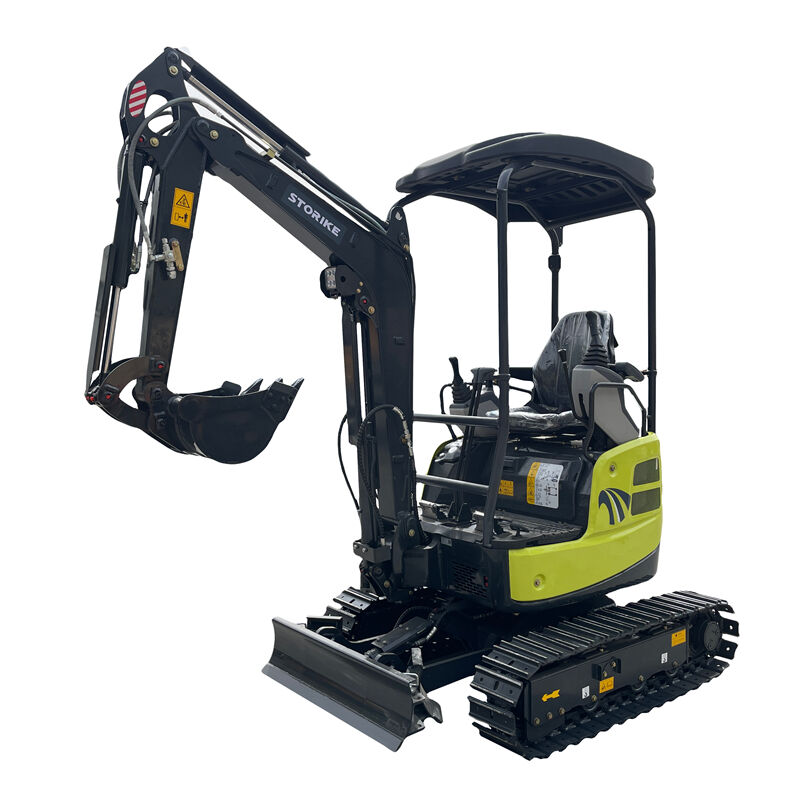
Engineering and Structural Distinctions The structural gap between a mini excavator and a standard unit goes well beyond physical size. Standard excavators are engineered for high-volume displacement, featuring heavy-duty counterweights and high-torque powerplants designed to manage significant structural loads. In contrast, mini excavators represent a feat of miniaturized engineering, built to provide impressive power-to-weight ratios while remaining maneuverable within narrow dimensions. The design philosophy of a mini machine centers on low ground pressure and high-level maneuverability, often utilizing a compact chassis that allows the operator to rotate within a confined width. This structural choice is intentional, enabling these smaller powerhouses to operate safely near existing installations or sensitive ground surfaces where a full-sized machine would be unsuitable.
Operational Logic and Application Scenarios Choosing the right machine starts with a hard look at the environment where the work occurs. Standard excavators excel in settings where high-volume material removal is the primary goal, as they deliver the force necessary to navigate compacted soil and dense terrain. However, the versatility of the mini excavator is unmatched in specialized structural tasks that require finesse. In these scenarios, the ability of the mini excavator to traverse paved surfaces without causing structural damage—thanks to its refined track distribution—is a substantial functional asset. When operators weigh the options between these classes, they are fundamentally balancing the requirement for sheer force against the need for logistical agility in complex environments.
Power Systems and Control Precision The hydraulic systems inside these machines are tuned for different mechanical outcomes. A standard excavator is usually dialed in for high flow rates, allowing it to move massive buckets at high speed. Mini excavators, however, are tuned for hydraulic sensitivity and fine control. This allows the operator to perform delicate tasks, such as precise grading or trenching near critical underground lines, with a level of tactile feedback that larger, more aggressive machines cannot replicate. The goal for a mini unit is not just to move the most earth, but to move it with calculated, surgical accuracy. This precision helps keep the site safer, significantly lowering the margin for error when working in close proximity to critical infrastructure.
Leveraging Professional Manufacturing Expertise Successful project delivery is tied directly to the technical reliability of the machinery and the manufacturing depth of the partner behind it. Storike bridges the gap between high-level hydraulic engineering and the practical realities of modern construction sites. By keeping manufacturing standards tight and maintaining an intuitive grasp of structural mechanics, Storike ensures that the equipment supplied to global partners is not just robust, but specifically tuned to handle real-world challenges. This manufacturing precision is vital for minimizing site uncertainties and ensuring that architectural demands are met with the structural reliability that professional operators expect. When machinery is engineered with this level of technical focus, it serves as a stable foundation for any project, regardless of the scale.
Building a Reliable Future Investing in the right class of excavator—whether it is a mini unit or a standard beast—is a strategic move that favors long-term structural longevity and consistent site-wide performance. As international infrastructure demands shift, the reliance on high-performance machinery that balances force with finesse will only intensify. By partnering with a firm that possesses both the technical depth to analyze machine performance and the manufacturing capacity to deliver exacting specifications, builders ensure their projects reach the gold standard of safety and operational integrity. Storike remains fully committed to providing the mechanical foundations that drive the success of engineering projects worldwide, ensuring that every machine manufactured stands as a testament to precision engineering. Selecting the right equipment today is a long-term commitment to solving the tough engineering challenges of tomorrow.