EN
EN
 AR
AR CS
CS DA
DA NL
NL FI
FI FR
FR DE
DE IT
IT NO
NO KO
KO PL
PL PT
PT RO
RO RU
RU ES
ES SV
SV TL
TL ID
ID LV
LV SR
SR SK
SK SL
SL VI
VI SQ
SQ ET
ET TH
TH TR
TR AF
AF MS
MS GA
GA HY
HY KA
KA BS
BS LA
LA MN
MN MY
MY KK
KK UZ
UZ KY
KY
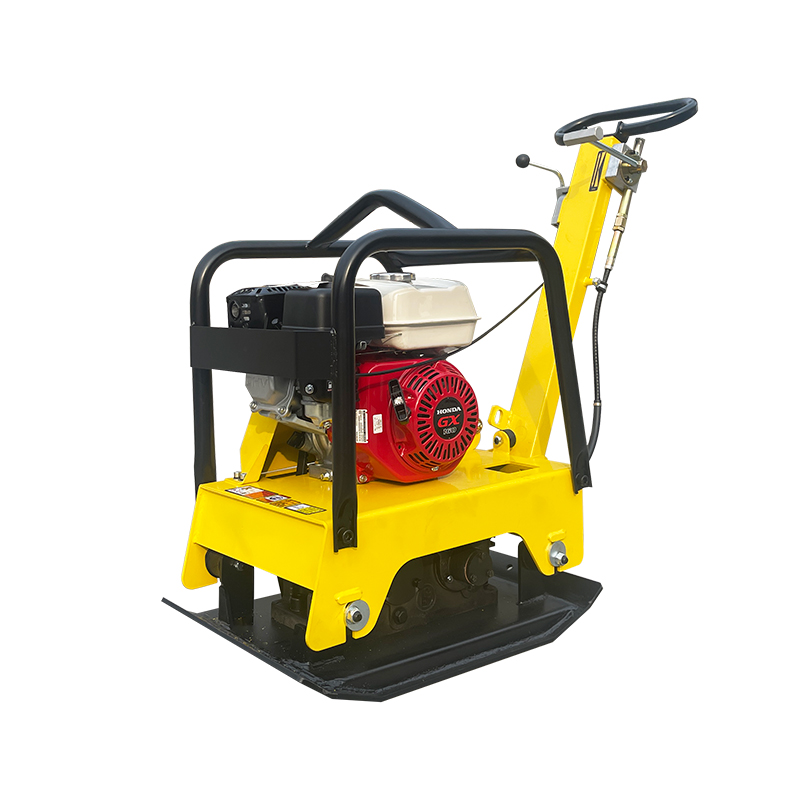
Daily and Scheduled Preventive Maintenance for Plate Compactors
Why Consistent Daily Checks Prevent 80% of Major Failures
Industry data shows that consistent daily inspections prevent over 80% of major equipment failures in plate compactors. A five-minute routine—checking engine oil levels, verifying hydraulic fluid volume, cleaning debris from the base plate, and inspecting critical fasteners—avoids lubrication-related breakdowns, preserves clutch responsiveness, maintains vibration balance, and prevents structural damage from operational stresses. These simple steps significantly extend service life and reduce unplanned downtime.
Monthly Deep-Inspection Checklist: Bearings, Drive Belts, and Base Plate Integrity
Monthly maintenance focuses on wear-prone components that require closer scrutiny:
- Drive Belts: Inspect for tension loss, cracks, or fraying that impair power transmission
- Bearings: Lubricate per manufacturer specifications to prevent overheating and premature wear
- Base Plate: Examine for cracks, warping, or excessive wear—issues that directly degrade compaction uniformity
Also verify fastener integrity across the machine; vibration-induced loosening remains the leading cause of operational failure in compactors. Document findings to build actionable, time-stamped maintenance records.
Cleaning and Debris Management on the Plate Compactor Surface
How Accumulated Material Causes Vibration Imbalance and Accelerated Wear
Residual soil, sand, or clay adhering to the base plate disrupts weight distribution, forcing the machine to counteract its own unbalanced mass. This generates destructive harmonic vibrations that propagate through the frame—increasing bearing and engine mount wear by up to 40%, according to durability lab studies. Uneven forces also reduce compaction consistency and contribute to operator fatigue. Skipping post-use cleaning correlates with 30% more unplanned downtime. A quick hose-down after each shift restores the critical center of gravity, ensuring smooth vibration transfer and long-term reliability.
Securing Structural Integrity: Fastener Inspection and Vibration Resistance
The intense, high-frequency vibration inherent to plate compaction continuously stresses bolted joints. Left unchecked, this leads to progressive loosening, compromising stability, performance, and operator safety.
Vibration-Induced Loosening: Critical Fasteners to Check After Every 10 Operating Hours
Vibration-induced loosening is a primary failure mode in compaction equipment. Cyclical impact forces cause micro-rotations in fasteners, gradually reducing clamp load. Critical points requiring inspection every 10 operating hours include engine mounting bolts, base plate attachment hardware, and exciter housing bolts. Always use a torque wrench to confirm adherence to manufacturer-specified values. Pay special attention to handle and vibration damper fasteners—looseness here affects both control precision and safety margins. Early detection prevents cascading damage and avoids costly repairs or downtime.
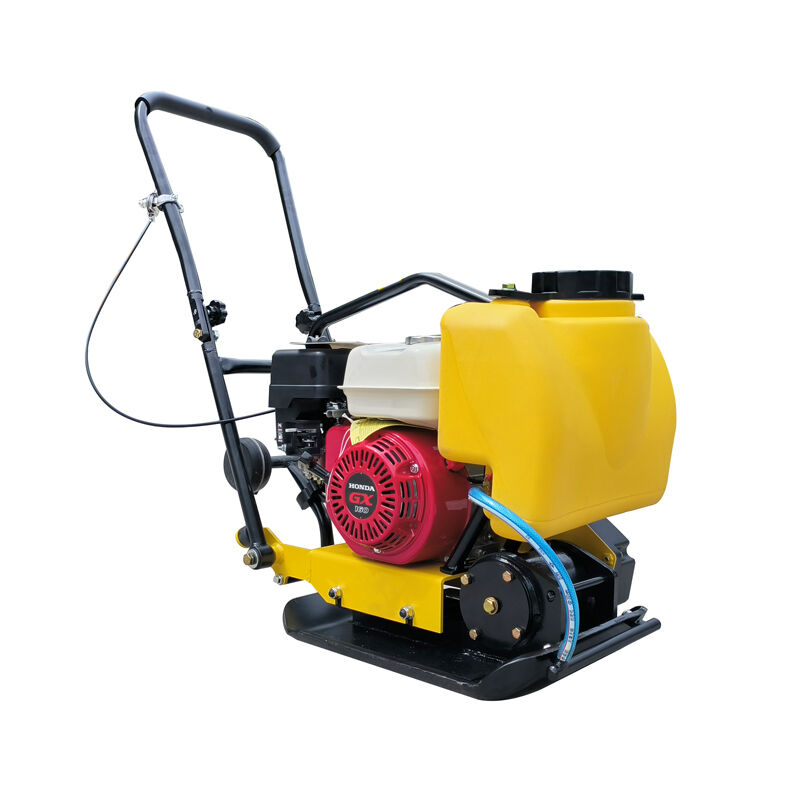
Fluid System Care: Engine Oil, Fuel Quality, and Clutch Function for Plate Compactors
Fuel Stabilization and Oil Change Intervals Based on Usage Tier (Light/Medium/Heavy Duty)
Maintenance frequency must align with actual operating conditions—not just calendar time. For light-duty use (a few hours weekly), change engine oil every 100 operating hours and treat fuel with stabilizer before storage exceeding 30 days. Medium-duty units (regular daily operation) need oil changes every 50 hours and fuel filter replacement every 200 hours. Heavy-duty compactors—deployed in abrasive, continuous-use environments—require oil changes every 25 hours, daily fuel tank draining to remove condensation, and weekly fuel system inspections. Adhering to these tiered intervals prevents sludge formation, protects clutch engagement, and ensures dependable cold starts.