EN
EN
 AR
AR CS
CS DA
DA NL
NL FI
FI FR
FR DE
DE IT
IT NO
NO KO
KO PL
PL PT
PT RO
RO RU
RU ES
ES SV
SV TL
TL ID
ID LV
LV SR
SR SK
SK SL
SL VI
VI SQ
SQ ET
ET TH
TH TR
TR AF
AF MS
MS GA
GA HY
HY KA
KA BS
BS LA
LA MN
MN MY
MY KK
KK UZ
UZ KY
KY
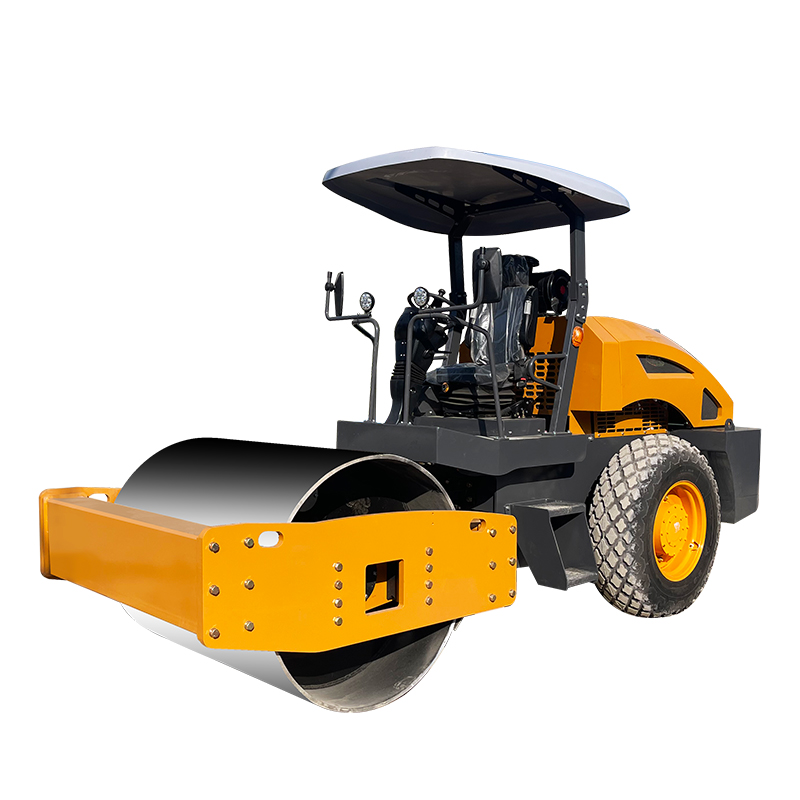
Supporting Sustainable Urban Infrastructure with Pavement Maintenance Machinery
How Pavement Maintenance Machinery Supports Sustainable Pavement Maintenance
The latest equipment for road maintenance is making roads greener by slashing emissions and making better use of resources. Take electric and hybrid paving machines for instance they perform just as well as traditional diesel models but produce about 60 percent fewer greenhouse gases according to the International Energy Agency report from last year. These machines come equipped with precision systems that cut down on wasted asphalt by around 18 to 22 percent compared to old fashioned manual techniques. Plus there's this RAP technology built right in that recycles nearly all existing road materials 95% to be exact which really supports those circular economy ideas we keep hearing about. A recent study by the US Department of Transportation found something interesting too. Cities that upgraded their paving gear saw savings of about $47 per lane mile each year simply because everything ran smoother and used materials more efficiently.
Integration of Preventive Maintenance Approaches in City Planning
Smart paving machines equipped with internet connectivity are changing how cities plan their roads through proactive maintenance based on actual data. The sensors built into these modern pavers track how surfaces wear down over time, giving municipalities early warning signs so they can fix problems before things get really bad. According to recent studies from Urban Infrastructure Journal, this kind of maintenance strategy typically adds between six to eight extra years to pavement life while cutting down on those costly emergency repairs by around a quarter. Take Seattle for example they rolled out a system where special pavers use heat imaging combined with artificial intelligence analysis. Within just twelve months, the city saw nearly a third fewer road issues popping up all over the place, showing just how effective these kinds of forward-looking fixes can be when implemented properly.
Case Study: Reducing Urban Heat Islands Through Smart City Paving Technologies
Phoenix’s 2022 Cool Corridors initiative showcased how smart paving technologies mitigate urban heat. Using laser-guided permeable pavement systems, crews installed surfaces that significantly improve thermal and hydrological performance:
| Feature | Traditional Pavement | Cool Pavement |
|---|---|---|
| Surface Temperature | 145°F | 121°F |
| Water Permeability | 12% | 89% |
| Maintenance Frequency | Annual | Biannual |
The $8.7M project lowered neighborhood temperatures by an average of 7°F and managed over 2,500 gallons of stormwater per hour during monsoon seasons, enhancing both climate resilience and drainage capacity (Sustainable Infrastructure Report 2023).
Trend Analysis: Growth in Eco-Friendly Concrete Paving Equipment Adoption
According to MarketsandMarkets data from last year, the market for paving equipment that produces fewer emissions is expected to expand quite rapidly over the next decade or so, growing around 14% each year. The growth is being fueled mainly by government incentives and money saved on operations costs. Right now, about 42 states across America provide tax breaks for companies buying electric paving machines. Sales figures tell another story too – solar powered compactors have seen their sales jump threefold compared to just four years ago back in 2020. Most construction firms are seeing real benefits too. Contractors surveyed say roughly 78% of them notice enough savings on fuel expenses to make up for what they spent initially on green machines. Big names in the industry are already planning to stop using diesel pavers completely by 2028. Some studies suggest that if we start widely applying these smart maintenance algorithms, cities might be able to slash paving related emissions by something like 27 million metric tons every single year according to recent research published somewhere online.
Extending Pavement Lifespan Through Advanced Maintenance Machinery
Impact of Highway Maintenance Technology on Pavement Durability and Long-Term Maintenance
The latest highway maintenance tech cuts down on cracks and structural problems by around 55% when compared to old school methods according to a recent 2023 pavement management report. These days, infrared recyclers and those fancy automated pothole patchers are doing wonders for roads. They basically heat up the existing pavement material and reuse about 90% of it while fixing tiny fractures that even experienced workers can't spot with the naked eye. Some smart paving machines now come with built-in sensors too. During repair work, these devices measure how much stress different parts of the road experience and send that information straight to local authorities who manage infrastructure projects. According to another study from last year, applying thin layers of special polymer coatings using machines instead of manual labor adds between six to eight extra years of useful life to our roads because everything gets spread out evenly across surfaces something regular crews just cant achieve consistently.
Data Insight: Pavement Lifespan Increased by 40% Using Mechanized Preventive Techniques
Municipalities across the country started using robotic crack sealers along with AI pavement scanners somewhere around 2018, and by 2023 many were seeing their roads last almost 40% longer before needing major repairs according to research from Tran and colleagues last year. What makes these technologies so effective? They spot problems in road surfaces way before they become visible to the naked eye sometimes as much as eight months ahead of time. This early warning lets crews fix issues before water gets into cracks and causes bigger problems underneath. Take Denver for instance their transportation team cut costs dramatically once they replaced manual methods with automated sealers that work best when applied at just the right temps and pressures. The city ended up saving close to two point one million dollars every single year after making this switch.
Controversy Analysis: Manual vs. Machine-Based Durability and Maintenance of Pavements
About two thirds of local governments point to those initial investment costs as stopping them from going mechanical. But when looking at what happens over time, machines actually cut down on spending in the long run by around 30 percent according to some recent studies from the Alliance for Pavement Sustainability back in 2023. Some folks still stick with hand tools because they claim these can handle weird shapes better. However, newer milling equipment comes equipped with blades that tweak their angle every half degree so they fit roads exactly as needed. What we're seeing now though is something in between. Workers grab those little infrared cameras first to spot problems, then bring out specialized machines just where needed. This mix keeps human know-how involved while getting the job done faster and longer lasting too.
Strategic Planning for Pavement Rehabilitation in Modern Cities
Strategic Deployment of Pavement Maintenance Machinery in Rehabilitation Planning
Using pavement maintenance equipment based on actual data helps make road repair plans work better. Cities can fix roads without causing too much traffic problems when they use cold recyclers and smart paving machines. According to research from the Urban Infrastructure Institute last year, towns that plan their work properly finish road jobs about 25 percent quicker because they match machine schedules to live traffic updates. Take Barcelona's recent work on La Rambla as proof. The city used GPS controlled pavers to lay down new asphalt in only three nights instead of the usual two weeks worth of daytime road closures that would have been needed before.
Role of Paving in Urban Infrastructure Development During Renewal Projects
Road repair projects are becoming much more than just fixing potholes these days. With new equipment on the market, cities can now install smart drainage solutions and electric vehicle charging networks right under their streets during routine maintenance work. According to recent research from pavement management experts in 2024, municipalities that plan ahead with lifecycle costing end up spending around 18 percent less on road maintenance over time compared to places that wait until roads fall apart before doing anything about them. Take Rotterdam's Schouwburgplein area as an example. When they redid the pavement there, special milling machines didn't just tear up the old concrete they actually recycled about 92% of it. At the same time, workers laid down fiber optic lines that connect all the street lights to the internet. What started as regular roadwork became something much bigger a stepping stone toward building out the city's smart infrastructure network.
FAQ Section
What are the benefits of using electric and hybrid paving machines?
Electric and hybrid paving machines reduce emissions by about 60% compared to traditional diesel models and make more efficient use of resources through precision systems and RAP technology.
How do smart paving machines aid in city planning?
Smart paving machines use embedded sensors to provide data on surface wear, allowing cities to conduct proactive maintenance, which extends pavement life and reduces repair costs.
What is the impact of using permeable pavement systems in urban areas?
Permeable pavement systems lower surface temperatures and increase water permeability, reducing urban heat island effects and improving stormwater management.
How do new paving technologies affect maintenance costs for cities?
Advanced paving technologies can cut long-term maintenance costs by approximately 30% through increased efficiencies and a reduction in emergency repairs.