 EN
 AR
 CS
 DA
 NL
 FI
 FR
 DE
 IT
 NO
 KO
 PL
 PT
 RO
 RU
 ES
 SV
 TL
 ID
 LV
 SR
 SK
 SL
 VI
 SQ
 ET
 TH
 TR
 AF
 MS
 GA
 HY
 KA
 BS
 LA
 MN
 MY
 KK
 UZ
 KY

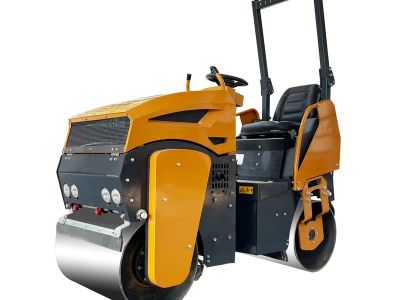
Mini vibratory road rollers are essential pieces of machinery for compacting various types of soil and asphalt in road construction and maintenance projects. Understanding how to maintain these machines is crucial for maximizing their lifespan and ensuring optimal performance. This article will provide practical maintenance tips, address common buyer concerns, and help purchasing managers and engineers make informed decisions regarding the selection and upkeep of mini vibratory road rollers.
How to Choose the Right Mini Vibratory Road Roller for Your Projects?
Selecting the right mini vibratory road roller involves considering several factors that directly impact its performance and suitability for various applications. First, assess the size and weight of the roller, as these characteristics affect the compaction depth and efficiency. For smaller projects or areas with limited access, a compact model may be more suitable, while larger projects may require a heavier machine for increased compaction force.
Next, consider the engine power, which influences the Road roller operational efficiency and speed. A robust engine can enhance productivity, especially in challenging terrain. Additionally, the vibration frequency should be evaluated; higher frequencies are typically better for granular soils, while lower frequencies are more effective for cohesive soils.
Finally, think about the ease of use and maintenance. Choose a model with user-friendly controls and accessible service points to simplify routine maintenance tasks. By addressing these factors, you can ensure that the mini vibratory road roller you select meets your project requirements effectively.
Essential Specifications to Consider When Buying Mini Vibratory Road Rollers
When purchasing a mini vibratory road roller, it is vital to pay attention to specific technical specifications that will affect its performance.
Weight and Size: The weight of the roller is crucial for achieving the desired compaction. Heavier rollers can compact more effectively but may be less maneuverable. Size should also be suitable for the intended application area.
Compaction Force: This specification indicates the machine's ability to exert pressure on the surface, directly influencing its performance. Ensure the compaction force meets the requirements for the materials you will be working with.
Vibration Frequency and Amplitude: These parameters affect the type of soil or asphalt that can be effectively compacted. A lower frequency with higher amplitude is suitable for cohesive materials, while a higher frequency is better for granular materials.
Engine Specifications: Look for information on fuel consumption and power output. Efficient engines reduce operational costs, and higher power output can improve productivity in demanding conditions.
Drum Width: The width of the drum will determine the coverage area in a single pass. A wider drum covers more ground, but be sure it fits the project site’s constraints.
By understanding and carefully evaluating these specifications, buyers can make informed decisions that align with their operational needs.
Where to Source Reliable Mini Vibratory Road Rollers for Wholesale Purchase?
Finding reliable sources for purchasing mini vibratory road rollers can significantly impact your project's success. Start by identifying reputable manufacturers or distributors with a track record in the industry. Research online reviews and testimonials to gauge the experiences of other buyers.
Additionally, consider attending trade shows or industry expos where manufacturers showcase their latest models. This allows you to compare products, ask questions, and even negotiate prices directly with suppliers.
When sourcing wholesale, ensure the supplier can provide necessary documentation, such as product specifications, warranty information, and service agreements. It is also beneficial to inquire about the Loader availability of spare parts and after-sales support, as this can affect the long-term maintenance of the rollers.
Common Problems with Mini Vibratory Road Rollers and Effective Solutions
Like any piece of heavy machinery, mini vibratory road rollers can encounter issues that may hinder performance. Common problems include:
Vibration Issues: If the roller vibrates excessively or not at all, it may indicate a malfunction in the hydraulic system or a misalignment of the drum. Regularly checking and maintaining hydraulic fluid levels and ensuring proper alignment can prevent these issues.
Engine Performance: Problems such as stalling or reduced power can arise from fuel system issues or air filter blockages. Implementing a maintenance schedule that includes regular inspections of the fuel system and filters can help mitigate these problems.
Drum Damage: Wear and tear on the drum can occur due to rough usage or poor maintenance. Inspecting the drum for cracks or excessive wear and addressing issues promptly can extend the roller's life.
Electrical Failures: Issues with the compaction machinery electrical system can lead to operational failures. Regularly checking wiring and connections can help identify potential problems before they become critical.
By being aware of these common issues and implementing proactive maintenance strategies, operators can enhance the reliability and efficiency of their mini vibratory road rollers.
Installation Tips for Optimal Performance of Mini Vibratory Road Rollers
Proper installation and setup of mini vibratory road rollers are crucial for achieving optimal performance. Here are some key tips to consider:
Site Preparation: Ensure the installation site is level and free of debris. A well-prepared surface allows for better compaction and reduces strain on the machine.
Check Leveling: Before operating the roller, check that it is level. An uneven setup can lead to uneven compaction and increased wear on the machine.
Fluid Levels: Prior to use, verify that hydraulic fluid and engine oil levels are within the recommended ranges. Adequate fluid levels are essential for effective operation and preventing premature failure.
Training Operators: Ensure that operators are trained on the specific model’s controls and features. Familiarity with the machine enhances safety and efficiency during operation.
Regular Maintenance Schedule: Establish a routine maintenance schedule that includes checks for wear and tear, lubrication, and cleaning. This can significantly prolong the life of the roller and maintain its performance.
By following these installation tips, operators can ensure that their mini vibratory road rollers function optimally and deliver the best results for their projects. Understanding the intricacies of mini vibratory road rollers, from selection to maintenance, is vital for any purchasing manager or engineer involved in road construction. By applying the knowledge shared , you can make informed decisions that enhance the efficiency and longevity of your machinery investments.
Table of Contents
- How to Choose the Right Mini Vibratory Road Roller for Your Projects?
- Essential Specifications to Consider When Buying Mini Vibratory Road Rollers
- Where to Source Reliable Mini Vibratory Road Rollers for Wholesale Purchase?
- Common Problems with Mini Vibratory Road Rollers and Effective Solutions
- Installation Tips for Optimal Performance of Mini Vibratory Road Rollers
