 EN
 AR
 CS
 DA
 NL
 FI
 FR
 DE
 IT
 NO
 KO
 PL
 PT
 RO
 RU
 ES
 SV
 TL
 ID
 LV
 SR
 SK
 SL
 VI
 SQ
 ET
 TH
 TR
 AF
 MS
 GA
 HY
 KA
 BS
 LA
 MN
 MY
 KK
 UZ
 KY

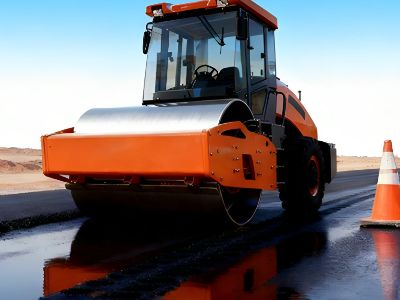
Maximizing Drum Road Roller Efficiency is crucial for construction and infrastructure projects. As companies look for ways to enhance productivity and reduce costs, understanding the nuances of drum road rollers becomes essential. B2B buyers, including purchasing managers and engineers, often face challenges in selecting the right equipment, balancing features with budget constraints, and ensuring optimal performance on job sites. This article will explore key considerations for purchasing drum Road roller, their features and benefits, common issues and solutions, installation guidance, and material advantages.
Cost Factors to Consider When Purchasing Drum Road Rollers Wholesale
When purchasing drum road rollers in bulk, it’s vital to account for several cost factors. First, consider the initial purchase price, which can vary significantly based on features, brand reputation, and size. Buyers should also evaluate the total cost of ownership, which includes maintenance, fuel consumption, and potential downtime.
For instance, rollers with advanced hydraulic systems may cost more upfront but offer better fuel efficiency, leading to lower operational costs over time. Additionally, consider the equipment’s resale value. High-quality Loader machines from reputable manufacturers often retain better resale value, providing a return on investment when it's time to upgrade.
Another factor is the logistics of transportation. Bulk purchases may incur additional shipping costs, particularly if the rollers must be delivered to remote job sites. Buyers should negotiate shipping terms and consider local suppliers to minimize these costs. Finally, be aware of any warranties or service agreements offered, as these can impact long-term costs.
Features and Benefits Explained
Drum road rollers come equipped with various features designed to enhance efficiency and effectiveness in compaction tasks. Key features to look for include:
Weight and Size: The weight of the roller affects its compaction ability. Heavier rollers can compress more effectively, especially in dense materials like asphalt or clay. Conversely, lighter models are suitable for granular soils and smaller projects.
Hydraulic Systems: Modern drum rollers often feature advanced hydraulic systems that provide superior control and efficiency. These systems allow for smoother operation, easier adjustments during compaction, and reduced fuel consumption.
Vibration Control: A roller with adjustable vibration settings can optimize performance based on the material being compacted. This flexibility ensures that the compaction process is efficient without risking damage to the substrate.
Visibility and Ergonomics: A well-designed operator cabin that offers excellent visibility and comfort can significantly enhance productivity. Features such as adjustable seats, intuitive controls, and clear sightlines reduce operator fatigue and improve safety.
These features collectively lead to increased productivity, reduced operational costs, and improved job site safety, making them essential considerations for B2B buyers.
Common Problems with Drum Road Rollers and Effective Solutions
Drum road rollers can encounter several issues that affect their performance. Common problems include uneven compaction, mechanical failures, and operator errors.
Uneven Compaction: This can result from improper weight distribution or incorrect speed settings. Buyers should ensure that rollers are equipped with adjustable features that allow for better weight management and speed control. Regular training for operators on optimal compaction techniques can also mitigate this issue.
Mechanical Failures: Regular maintenance is essential to avoid mechanical breakdowns. Implementing a routine inspection schedule can identify potential issues early. Buyers should verify that the manufacturer offers comprehensive support and easily accessible spare parts.
Operator Errors: Inexperienced operators may not use the machine effectively, leading to inefficient compaction. Providing thorough training and investing in simulators can help operators become proficient in handling the machinery, thereby improving overall efficiency.
By understanding these common problems and their solutions, buyers can make informed decisions that enhance the longevity and performance of their drum road rollers.
Installation Guidance for Enhancing Drum Road Roller Performance
Proper installation and setup of drum road rollers are crucial for achieving optimal performance. Before the first use, buyers should ensure that all components are correctly assembled and calibrated according to the manufacturer’s specifications.
Site Preparation: Before operating the roller, make sure the job site is adequately prepared. This includes clearing debris and ensuring the surface is stable.
Calibration: Adjust the roller’s settings to match the specific project requirements. This involves configuring the hydraulic systems and ensuring that vibration settings are appropriate for the material being compacted.
Test Runs: Conduct test runs to assess the roller’s performance under actual working conditions. Monitoring the initial compaction results can provide valuable insights into necessary adjustments.
Ongoing Maintenance: After installation, establish a maintenance schedule that includes daily checks of fluid levels, tire pressure, and overall machine condition. This proactive approach helps maintain performance and prevents unexpected downtimes.
Following these guidelines can significantly enhance the performance and efficiency of drum road rollers and Excavator, leading to more successful project outcomes.
Understanding Material Advantages for Drum Road Rollers in Construction
The materials used in drum road rollers play a significant role in their performance and durability. Buyers should consider the following material advantages:
High-Strength Steel: Most drum rollers are constructed from high-strength steel, which provides durability against wear and tear. This material can withstand the rigors of heavy use and harsh job site conditions.
Corrosion Resistance: Rollers with corrosion-resistant coatings will have a longer lifespan, especially when exposed to moisture or corrosive materials. Buyers should inquire about the protective finishes used on the machinery.
Weight Distribution Materials: Some models utilize advanced composite materials for weight distribution in the drum design. These materials can enhance the roller's effectiveness without adding unnecessary weight, improving fuel efficiency.
Vibration-Reducing Materials: Innovations in material science have led to the development of vibration-damping materials that can be integrated into the roller’s structure. These materials help reduce operator fatigue and improve overall safety.
Understanding these material advantages can aid buyers in selecting drum road rollers that not only meet their immediate project needs but also provide long-term value through enhanced performance and durability.
By focusing on these aspects, B2B buyers can ensure they maximize drum road roller efficiency, ultimately leading to more successful and cost-effective construction projects.
Table of Contents
- Cost Factors to Consider When Purchasing Drum Road Rollers Wholesale
- Features and Benefits Explained
- Common Problems with Drum Road Rollers and Effective Solutions
- Installation Guidance for Enhancing Drum Road Roller Performance
- Understanding Material Advantages for Drum Road Rollers in Construction
