EN
EN
 AR
AR CS
CS DA
DA NL
NL FI
FI FR
FR DE
DE IT
IT NO
NO KO
KO PL
PL PT
PT RO
RO RU
RU ES
ES SV
SV TL
TL ID
ID LV
LV SR
SR SK
SK SL
SL VI
VI SQ
SQ ET
ET TH
TH TR
TR AF
AF MS
MS GA
GA HY
HY KA
KA BS
BS LA
LA MN
MN MY
MY KK
KK UZ
UZ KY
KY
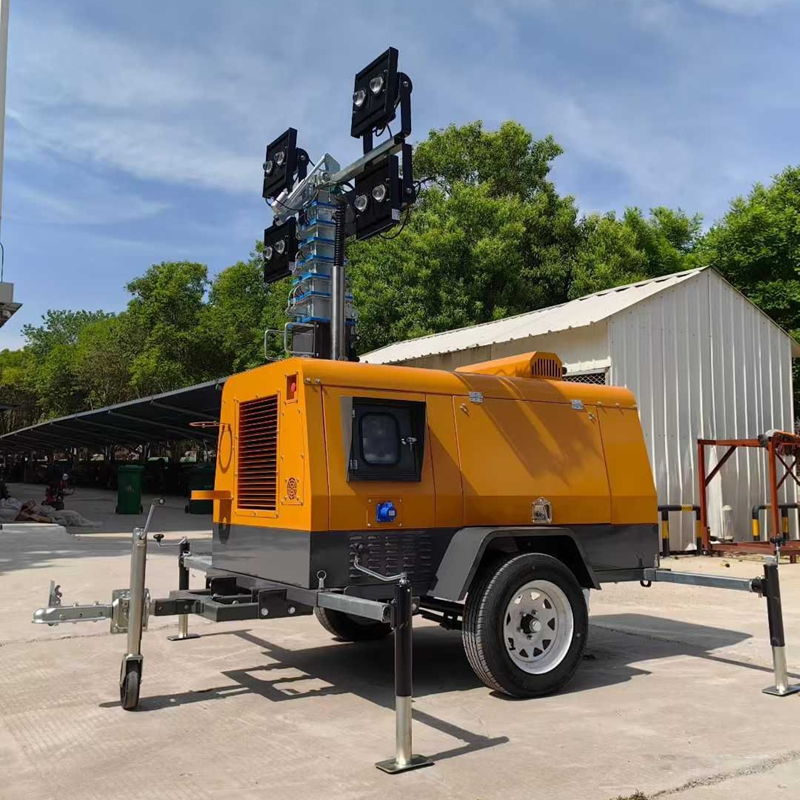
The Critical Role of Light Towers in Night Construction
The importance of temporary lighting solutions for night construction
Construction work at night needs good lighting if crews want to stick to their timelines and keep everyone safe. Studies show something shocking really when it comes to accidents happening in the dark. According to Rentco Equipment's latest data from 2025, nearly half of all incidents on poorly lit sites happen because workers simply can't see what they're doing. That explains why so many contractors are investing in those big mobile lighting setups we call light towers. These aren't just regular lamps attached to trucks. They cover everything around them within a radius of about three to five acres, which makes a huge difference during important tasks such as digging holes, lifting heavy loads with cranes, or moving materials around the site. What sets these apart from the little flashlights people carry is their durability. Contractors know these units will survive whatever weather throws at them while still giving off bright, steady light that doesn't flicker or fade halfway through a shift.
How light towers enhance safety and productivity on construction sites
Today's light towers can output anywhere from 50k to 120k lumens without that harsh glare effect we all hate. According to Cahill Heating Rentals data from last year, these improved lighting systems cut down on accidents where workers trip or machines collide by around 32%. The adjustable masts go from 10 meters up to 30 meters tall, which means construction crews get consistent illumination when doing tricky work like pouring concrete or setting up steel frames. Contractors who've switched to these modern towers tell us their projects finish about 18% faster now. Why? They can keep working through the night without stopping and there are simply fewer mistakes that need fixing later on site.
Common challenges in nighttime visibility and how light towers address them
Working at night comes with all sorts of challenges like dark spots where lights don't reach, floating dust particles that obscure vision, and bumpy ground conditions. LED lighting towers tackle many of these problems thanks to focused light beams and their 5000K color output which looks pretty much like regular sunlight, making things easier to see clearly. Take road construction teams for example who started using mobile lighting solutions last year saw accident rates drop significantly around the 40% mark because they could adjust their lighting setup as sites changed day after day. And there are now hybrid versions available too that switch from one power source to another when needed so operations can keep going without interruption even during those long 12 hour night shifts most workers endure.
Key Factors to Consider When Selecting a Light Tower
Matching Site Size and Layout with Appropriate Light Coverage
Before picking out any gear, construction managers need to take a good look at how big the site is and what kind of terrain they're working with. For sites bigger than five acres, most folks in the business will tell you that setting up several towers around 150 feet apart works best if we want even lighting across everything. When dealing with weird shaped sites though, adjustable beams between 30 and 120 degrees come in really handy for getting light into those hard spots where scaffolding or digging projects block normal coverage. Speaking from experience, LED towers rated at 25,000 lumens tend to cover roughly twice as much ground compared to old school halogen lights. That makes sense why so many contractors are switching over these days when working on bigger jobs.
Mast Height and Light Power as Key Factors in Illumination Coverage
The height of the mast makes a big difference in how far light reaches out. Towers around 25 to 30 feet tall can cover roughly 30% more area than those just 15 feet high. There's something called the inverse square law at work here too. When someone doubles the wattage from 1,000W to 2,000W, they might expect twice the reach, but actually get only about 40% more coverage. That's why going bigger isn't always better for distance. These days most contractors are switching to high efficiency LED lights on site. They put out over 50,000 lumens but use about half the power of old HID lamps. What's really impressive is these new LEDs stay bright even when shining across fields or through dust clouds beyond 300 feet away. The savings in electricity costs alone make them worth considering for any serious lighting setup.
Portability and Setup Speed of Portable Lighting Towers
For jobs that need moving around every day, lighter units weighing less than 1,100 pounds come with folding masts and air-filled tires which makes them much easier to transport. A recent look at equipment logistics from 2024 found something interesting too. Workers who used these fast setup models saved almost three quarters of their time compared to traditional setups that stay put. What's really handy is the built-in four point stabilization system. This lets workers move equipment over bumpy terrain without taking apart the whole lighting rig, so they can keep working even when time is super tight at night.
Types of Light Towers: Tow-Behind, Generator-Mounted, and Stand-Alone Models
Tow-Behind Light Towers for Large Outdoor Areas
Tow-behind models are ideal for expansive projects like highway expansions or wind farm developments, offering 360-degree illumination across 7–10 acres. Their trailer-mounted design enables fast repositioning between work zones, minimizing delays in multi-phase operations. With masts extending up to 30 feet, they provide broad coverage essential for large-scale outdoor environments.
Generator-Mounted Units for Integrated Power and Lighting
Dual function systems bring together lighting and power generation right at the site, so there's no longer a need to haul around extra generators when working out in remote areas. Most units can produce between 6 to 10 kilowatts of electricity while putting out over 40 thousand lumens worth of bright light. This makes life much easier for crews who need to run heavy duty equipment such as welding machines or those big concrete pumps that guzzle power. The combined system cuts down on space requirements by about a third, which means better organized worksites and fewer headaches trying to manage all that gear scattered around.
Stand-Alone Light Towers for Confined or Indoor Spaces
Compact stand-alone towers excel in tight environments such as tunnels, urban renovations, or warehouse retrofits. Weighing under 300 lbs—a bout 50% less than traditional models—they achieve full brightness within 15 seconds. Directional lighting improves hazard detection by 60% in low-ceiling spaces, making them vital for indoor structural repairs and retrofitting projects.
Lighting Technology: LED vs. HID and the Shift to Energy-Efficient Solutions
Why LED lamps are preferred in modern construction lighting
LED lights have pretty much taken over as the go-to choice these days because they work better, last longer, and just plain perform better than older options. According to studies from the US Department of Energy, LED bulbs use around three quarters less electricity compared to traditional incandescents, and can stick around for roughly 25 times as long before needing replacement. What makes them stand out even more is how they light up right away without any delay, and keep working well even when temperatures drop below freezing point. Traditional HID lamps tell a different story though - those things need several minutes to warm up properly and tend to wear out quicker when exposed to extreme weather conditions. All this means fewer trips for maintenance crews during late hours and ensures that critical areas stay illuminated throughout the night without unexpected failures.
Measuring effective light coverage using lumens output
LED light towers deliver 120–150 lumens per watt, nearly triple the efficiency of HID systems. A 1,000-watt LED tower can effectively illuminate 40,000 square feet—sufficient for most mid-sized sites. Professionals prioritize lumens over wattage when evaluating coverage, ensuring adequate visibility without straining power resources.
Energy efficiency and heat reduction in LED-based light towers
Most LEDs manage to turn around 90 percent of their energy into actual light, which means they only waste about 10 percent as heat. That's pretty impressive when we look at HID systems that lose roughly 40 percent to heat instead. The difference matters a lot in places where there might be flammable stuff nearby, obviously reducing fire hazards. Plus, buildings don't need to work so hard to keep cool anymore since these lights generate less heat overall. Looking at real world numbers from various facilities, those switching to LEDs typically end up saving somewhere between twelve and eighteen dollars every single hour on their electricity bills. That represents nearly three quarters less than what metal halide systems would cost them. And bonus? Components tend to last longer too because they aren't subjected to such extreme temperatures over time.
Controversy Analysis: High-intensity discharge (HID) vs. LED in night construction
HID lamps used to be the go to option because they were cheaper upfront, but when looking at costs over time, LEDs actually come out ahead by about 52% over five years according to the National Electrical Contractors Association report from 2024. There are still folks who claim HID lights penetrate fog better, which makes sense given how things worked back in the day. But these days, LEDs with their fancy optical designs have pretty much caught up and sometimes even beat HID in those conditions. The numbers tell the story too. Last year, around 87 percent of all new light towers bought featured LED technology instead. That pretty much signals the end of HID's long reign that lasted nearly 15 years straight.
Power Source Options: Diesel, Solar, and Hybrid Light Towers
Diesel light towers: reliability and high output for extended runtime
Diesel-powered towers remain the go-to solution for remote or long-duration projects without grid access. Their high fuel density supports 70–100 hours of continuous operation, and diesel engines perform reliably in extreme temperatures— critical for mining, oilfield, and round-the-clock infrastructure work. This resilience makes diesel the benchmark for operational dependability.
Solar lighting towers: sustainability and off-grid advantages
Solar-powered towers use photovoltaic panels to deliver emission-free lighting, ideal for urban developments and environmentally sensitive zones. These systems store 8–12 hours of energy, operating silently to avoid disturbing nearby communities. By eliminating fuel consumption, solar models reduce recurring costs and comply with emissions regulations in controlled areas.
Hybrid options combining solar, battery, and generator power
Hybrid light towers combine solar panels, batteries, and diesel generators all controlled by smart systems that favor clean energy first but still keep the old fashioned generator as backup when needed. According to recent data from the 2024 Energy Efficiency Report, these mixed systems can actually cut down on fuel consumption anywhere between 40% to 60% compared with regular diesel models. When there are those long stretches of bad weather where clouds just won't clear away, the better equipped hybrid systems manage to last three times longer thanks to their clever mixing of different power sources. That makes them really good choices for construction sites or outdoor events that might go on for weeks at a time despite whatever Mother Nature throws at them.
Balancing eco-friendliness with performance in remote construction sites
More and more remote operations are turning to hybrid power solutions as companies try to balance green initiatives with day-to-day needs. The best part? These systems keep all the dependable qualities of diesel fuel but cut down on carbon output thanks to regular solar top-ups. What really stands out is their smart lighting feature that senses when areas aren't being used and dims accordingly. This saves a ton of electricity while still keeping everything safe and visible. For places like oil rigs in the Arctic or remote construction sites deep in forests, these hybrids solve big problems at once. They handle the tough logistics challenges of getting fuel to such locations while also meeting modern environmental standards that just weren't priorities back in the old days.
FAQ
What are light towers used for in construction?
Light towers are used in construction to provide temporary lighting solutions for work sites, particularly during nighttime operations. They enhance safety and productivity by ensuring that workers have sufficient illumination to perform tasks effectively and avoid accidents.
What types of light towers are available for construction sites?
There are several types of light towers, including tow-behind models, generator-mounted units, and stand-alone towers. Each has its own advantages depending on the site size, location, and specific needs of the construction project.
What is the advantage of LED light towers over traditional HID systems?
LED light towers are preferred over HID systems due to their higher energy efficiency, lower heat generation, and longer lifespan. They deliver more lumens per watt, making them cost-effective and environmentally friendly.
Table of Contents
- The Critical Role of Light Towers in Night Construction
- Key Factors to Consider When Selecting a Light Tower
- Types of Light Towers: Tow-Behind, Generator-Mounted, and Stand-Alone Models
- Lighting Technology: LED vs. HID and the Shift to Energy-Efficient Solutions
- Power Source Options: Diesel, Solar, and Hybrid Light Towers
- FAQ