EN
EN
 AR
AR CS
CS DA
DA NL
NL FI
FI FR
FR DE
DE IT
IT NO
NO KO
KO PL
PL PT
PT RO
RO RU
RU ES
ES SV
SV TL
TL ID
ID LV
LV SR
SR SK
SK SL
SL VI
VI SQ
SQ ET
ET TH
TH TR
TR AF
AF MS
MS GA
GA HY
HY KA
KA BS
BS LA
LA MN
MN MY
MY KK
KK UZ
UZ KY
KY
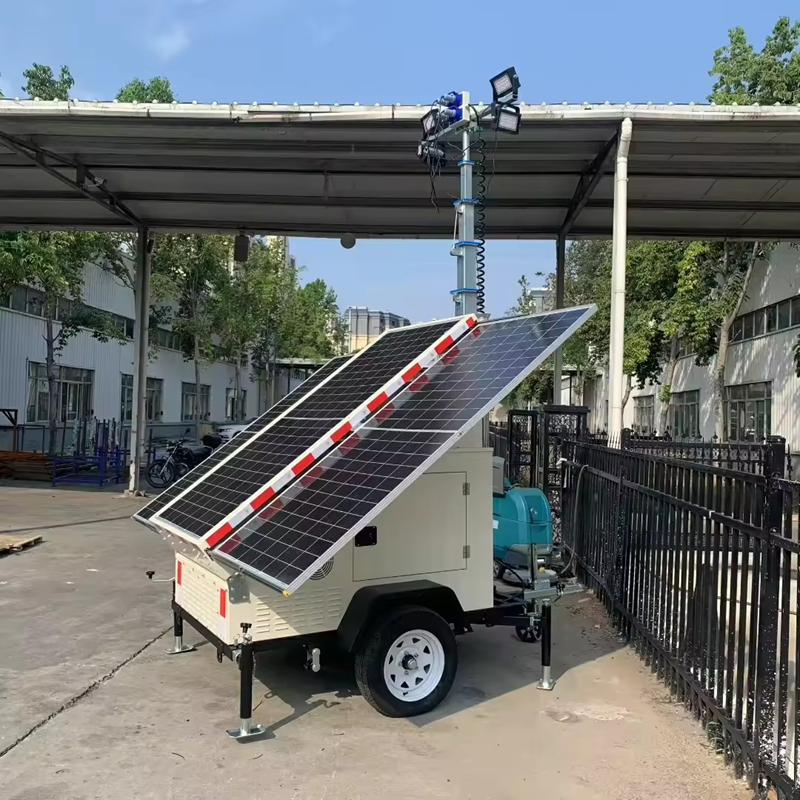
Light Source Type and Its Impact on Illumination Range
LED vs Metal Halide: Efficiency, Lumen Output, and Longevity
These days, LED light towers have taken over roughly half of all industrial lighting setups because they last around 100,000 hours and deliver between 160 to 220 lumens per watt. That's almost three times better than those old metal halide lights we used to rely on. The difference is pretty dramatic when you think about it. Metal halide bulbs tend to dim by about 20 to 30 percent within just 5,000 hours of operation, while LEDs keep shining strong at about 90% brightness even after 60,000 hours of continuous use. For construction sites that run day and night operations, this kind of longevity really matters. Replacing bulbs in high places isn't just expensive work, it can be downright risky business too, especially during active projects.
A 2023 Industrial Lighting Report found LED towers reduce energy costs by $740/unit annually compared to metal halide models. However, metal halide's 15,000–20,000 initial lumens still outperform entry-level LEDs in short-term, ultra-high-intensity applications like emergency response.
Energy Efficiency and Thermal Management in Light Tower Bulbs
Advanced thermal design separates premium LED systems from budget options. High-quality modules use aluminum substrates to keep junction temperatures below 85°C, preventing the 12% brightness drop per 10°C increase seen in poorly cooled units. Combined with diffuse reflectors, this enables 40% wider coverage than single-point metal halide lights without hotspots.
Recent innovations like phase-change material cooling extend LED lifespan in desert environments by absorbing heat spikes during 50°C+ daytime operations. For winter projects, cold-weather LED drivers maintain stable starts at -40°C—a critical advantage over metal halide's frequent ignition failures below -20°C.
Optical Components: How Reflectors, Lenses, and Diffusers Shape Light Distribution
Reflector Design: Maximizing Beam Intensity and Directional Control
The way reflectors work basically determines how light spreads throughout different worksites, mainly because they help control where beams go and how far they reach. Today's light towers come equipped with specially designed reflectors that have either curved shapes or multiple facets, which helps gather all those lumens and turn them into useful lighting patterns. When coated with aluminum, these reflectors can bounce back around 92 to 95 percent of the light (standard ones only manage about 80 to 85 percent), so most of what gets produced actually ends up where workers need it instead of just wasting away as stray light. Field tests show that when reflectors aren't symmetrical, they tend to point light exactly where it should go about 30 percent better than regular ones, making a big difference during things like roadwork at night or digging in mines after dark. What makes this whole system really handy for people operating these lights is that they can tweak how far the light reaches from roughly 100 meters out to as much as 500 meters just by adjusting settings, no need to swap out bulbs or change power levels.
Lens and Diffuser Quality: Reducing Glare and Improving Coverage Uniformity
Tempered glass lenses and polycarbonate diffusers help shape how light spreads around work areas, making things safer and more efficient overall. Special anti-glare lenses with tiny prisms spread out those harsh beams so workers don't get as tired looking at bright lights all day long. Tests show these can cut down eye strain by somewhere around 40 percent when compared to regular fixtures without any protection. Some hybrid systems manage to spread light across pretty large areas while still avoiding those annoying hotspots. They maintain good lighting consistency even on rough ground, keeping illumination levels above about 85 percent throughout different spots. Plus, these optical components shield the bulbs from dirt and water getting inside, which matters a lot for light towers used in tough places like demolition zones or along coastlines where salt air eats away at equipment over time.
Tower Height and Positioning for Optimal Illumination Spread
How Elevation Affects Coverage Area and Shadow Minimization
When we raise those light towers anywhere from 15 to 25 meters high, they generally light up an area about 40 to 60 meters around them. The shadow problem gets cut down by roughly 20 percent too. There's this thing called the 0.5R rule that folks in the industry follow. Basically, if the tower stands at H meters tall, it works best when covering R meters radius, so half of R equals H. Take a 20 meter tower for instance, it shines nicely over 40 meter areas. Now, putting towers lower down makes the light stronger but creates annoying shadows right next to big machines on site. Go too high though, and the ground lighting drops off quite a bit, somewhere between 15 and 30 lumens lost per square meter according to measurements taken during actual installations.
Best Practices for Deploying Light Towers on Large or Complex Sites
Position towers centrally and tilt fixtures 15–20° downward to direct 85% of lumens into work areas. On irregular terrain:
- Deploy pairs of towers on opposing sides to eliminate 80% of dark spots
- Match beam angles to mast height—120–140° LEDs at 25-meter elevations achieve 95% uniformity
- Reorient fixtures weekly as site layouts evolve
Environmental Conditions That Influence Light Tower Performance
Impact of Fog, Rain, and Dust on Light Penetration and Visibility
Weather plays a big role in how well light towers perform on site. When fog rolls in, it cuts down on visibility quite a bit actually about 40% because all those tiny water droplets floating around just bounce the light everywhere. Rain is another problem too heavy rain makes things worse since it creates these patchy areas where some spots get way brighter than others. Dust and sand in the air also mess with lighting quality. In dry regions, airborne particles tend to cut light output somewhere between 15% and 25%. This matters a lot for jobs that need good visibility at night like road work projects. If visibility drops below what OSHA recommends (around 50 lux), safety becomes a serious concern for workers in those zones.
Cold Weather Packages and Weather-Resistant Features: Necessity vs. Cost
When temperatures get really extreme, they just make things harder for everyone involved. Take lighting solutions for instance. LEDs hold up pretty well even when it gets down to minus 20 degrees Celsius (that's about minus 4 Fahrenheit) maintaining around 90% of their light output. Metal halide bulbs aren't so lucky though; these drop to only 60% efficiency in similar cold conditions. To combat this problem, manufacturers have started including special cold weather kits with features like heated battery compartments and fluid warming systems. These additions do push equipment costs up by roughly 12 to 18 percent, but they save money in the long run by preventing costly downtime during freezing operations. Most standard installations use weather sealed IP65 rated housings to keep moisture out during heavy storms. However, these seals don't last forever. Maintenance teams need to check those rubber gaskets at least once every three months or water will eventually find its way inside. For places with milder weather, simple waterproof coatings usually work fine. But up north where it stays freezing all winter long, facilities need full blown thermal management systems just to keep lights working properly throughout the entire year.
Maintenance and Operational Practices to Sustain Peak Illumination
Routine Cleaning of Lenses and Reflectors for Consistent Light Output
The buildup of dust, dirt, and other environmental debris really takes a toll on how well light towers perform. When these particles get on the equipment, they scatter the light beams and cut down on how far the illumination reaches. According to various industry reports, dirty reflectors can slash lumen output by as much as 40%. That's why regular cleaning matters so much. Most experts recommend wiping them down every two weeks using gentle, non-abrasive cleaners. When it comes to taking care of the lenses, nothing beats good old microfiber cloths for preventing those annoying scratches that create unwanted glare spots. A simple solution of mild detergent works wonders at getting rid of tough residue without harming the special anti-reflective coatings manufacturers apply to these surfaces.
Scheduled Inspections and Component Upgrades for Long-Term Reliability
Proactive maintenance extends light tower lifespan and prevents costly downtime. Data indicates that facilities implementing quarterly inspections catch 68% more minor issues—like corroded connectors or degraded seals—before they escalate. Prioritize upgrades based on usage:
- Replace metal halide bulbs after 15,000 hours to avoid lumen depreciation
- Retrofit older towers with LED modules for 50% longer service intervals
- Test battery backups biannually to ensure runtime during outages
These practices preserve illumination range while reducing energy waste from aging components.
Frequently Asked Questions (FAQ)
What is the lifespan of LED light towers compared to metal halide lights?
LED light towers typically last around 100,000 hours, maintaining brightness for longer periods, whereas metal halide lights dim significantly within 5,000 hours.
How does elevation impact light tower coverage?
The height of light towers affects coverage area and shadow reduction. Raising towers from 15 to 25 meters increases lighting coverage, while lower heights may lead to stronger light with increased shadowing.
What role do optical components play in light distribution?
Reflectors, lenses, and diffusers shape light distribution by directing beams and reducing glare. These components improve safety and efficiency by maximizing coverage and minimizing fatigue.
Why is routine maintenance critical for light towers?
Regular cleaning and inspections maintain peak light output and prevent degradation of components, saving energy and extending the lifespan of light towers.
Table of Contents
- Light Source Type and Its Impact on Illumination Range
- Optical Components: How Reflectors, Lenses, and Diffusers Shape Light Distribution
- Tower Height and Positioning for Optimal Illumination Spread
- Environmental Conditions That Influence Light Tower Performance
- Maintenance and Operational Practices to Sustain Peak Illumination