EN
EN
 AR
AR CS
CS DA
DA NL
NL FI
FI FR
FR DE
DE IT
IT NO
NO KO
KO PL
PL PT
PT RO
RO RU
RU ES
ES SV
SV TL
TL ID
ID LV
LV SR
SR SK
SK SL
SL VI
VI SQ
SQ ET
ET TH
TH TR
TR AF
AF MS
MS GA
GA HY
HY KA
KA BS
BS LA
LA MN
MN MY
MY KK
KK UZ
UZ KY
KY
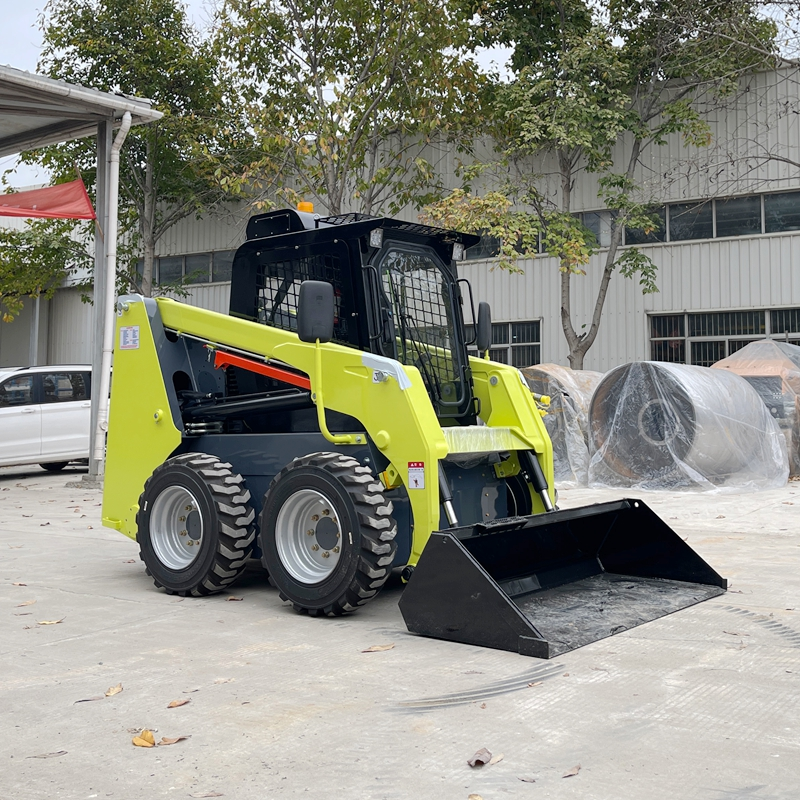
Pre-Operational Safety Checks for Skid Steer Loaders
Conducting a thorough walk-around inspection to identify hazards
Starting each workday with a full circle walk around the machine is essential for spotting things like debris buildup, fluid leaks, or signs of structural issues. Operators should take time to check where attachments connect to the main body looking for signs of wear, and make sure buckets and other implements are properly secured. According to data from the National Safety Council in their 2023 report, about one out of ten skid steer accidents happen because operators missed something during these routine checks. When going through inspections, it makes sense to compare what's found against standard safety checklists provided by equipment manufacturers. Pay special attention to those pesky loose bolts and watch out for hydraulic lines that might be damaged or hanging too close to moving parts.
Checking fluid levels, hydraulic systems, and tire or track integrity
Before starting any maintenance work, make sure to check the engine oil, coolant, and hydraulic fluid levels with the dipsticks provided by the manufacturer. When looking at the hoses, keep an eye out for any cracks or bulges especially when they're under pressure since these kinds of issues are responsible for about 34% of all hydraulic system failures according to OSHA reports from 2022. If working on wheeled equipment, don't forget to compare tire pressures between both sides of the machine anything over a 3 PSI difference could cause problems down the road. For machines with tracks instead of wheels, tension alignment needs checking regularly too. And while doing so, look carefully for any missing lug bolts because incomplete fastening contributes to roughly 19% of early track replacements as noted in Equipment World's findings from last year.
Verifying safety equipment: lights, alarms, and emergency shutdowns
Backup alarms need testing at least once a month to make sure they hit around 97 decibels or higher, and those LED work lights should light up pretty much everything within about 25 feet all around. Check that the seatbar sensors actually stop the hydraulics from moving whenever someone lifts them up during operation. Don't forget those monthly emergency shutdown exercises either they keep everyone prepared for real emergencies. According to industry guidelines, any strobe light showing over 15% loss in brightness needs replacement right away. Why? Because poor visibility leads to accidents on site. The National Institute for Occupational Safety and Health reported back in 2023 that nearly a quarter of all workplace collisions happen because workers can't see what's coming towards them clearly enough.
Mastering Skid Steer Controls: ISO vs SAE Standards
Understanding the differences between ISO and SAE control configurations
Operators who work with skid steer loaders run into real headaches when they have to switch back and forth between ISO (that's International Organization for Standardization for those keeping score) and SAE (Society of Automotive Engineers) control setups. With ISO controls, the left lever handles going forward or backward while the right one takes care of lifting and tilting, kind of like how excavators work. But SAE does exactly the opposite, following the patterns seen on most North American farm machinery. According to some research from OSHA in 2023, almost three quarters of all mistakes related to controls happen when workers move between these different systems without getting proper training first. Makes sense really, since muscle memory gets confused pretty quickly.
Impact of control type on operator response and accident prevention
When operators aren't familiar with different control systems, their reactions tend to lag during emergency situations. People who've only worked with SAE controls typically need around 2.1 extra seconds to stop ISO machines in an emergency situation. That kind of delay matters a lot in practice because what might have been just a close call could easily become a full blown accident instead. Companies that stick with one type of control system across all equipment see roughly a two thirds reduction in tipping incidents when compared to places where multiple control types are used side by side according to Industrial Safety Journal research from last year. And don't forget about those lockout mechanisms either. These devices stop accidental machine activation right when workers are entering or leaving work areas, which adds another layer of protection against unexpected movements.
Training operators to safely transition between ISO and SAE machines
Good transition training mixes virtual reality setups with actual hands on time at the controls. According to guidelines from the NCCCO, operators who switch between different machines should get about eight hours of combined simulation and real world practice. Companies that have implemented proper transition protocols see something pretty impressive - nearly 60 percent fewer cases where workers get confused about controls, according to last year's Equipment Operations Report. Many facilities now use regular check ups with special joysticks that measure pressure sensitivity to spot workers who might need another round of training before they make costly mistakes on the job.
Safe Operation: Starting, Maneuvering, and Load Handling
Correct Startup Sequence and Safe Mounting/Dismounting Procedures
Always stick to the startup routine suggested by equipment makers first things first. Get that parking brake engaged, make sure everything's set to neutral position, then take a good look around in all directions before proceeding. When getting on or off the machine, keep at least three body parts touching at all times, which becomes even more critical if conditions are slick from rain or mud. Safety stats from OSHA back this up too their 2023 findings showed nearly a quarter of all skid steer loader incidents happened simply because someone wasn't careful enough getting into or out of the cab. These numbers highlight just how important proper entry and exit procedures really are in preventing workplace injuries.
Techniques for Stable Steering, Turning, and Avoiding Tip-Overs
Smooth, controlled movements are essential for stabilityâabrupt turns or sudden bucket adjustments increase rollover risk. When operating on slopes, position heavy loads downhill and avoid sidehill travel exceeding 10° without counterweights. Studies show 60% of tip-overs result from uneven weight distribution or exceeding incline limits.
| Stability Factor | Safe Threshold |
|---|---|
| Maximum Side Slope | â¤10° (with empty bucket) |
| Maximum Front/Rear Incline | â¤15° (with balanced load) |
Manufacturer Guidelines for Lift Capacity and Proper Load Distribution
Always consult model-specific load charts, as lift capacities vary by arm geometry and attachment type. For example, a 2,500 lb rated machine may only safely handle 1,800 lbs with pallet forks due to forward center-of-gravity shifts. Document cargo dimensions before lifting to prevent overloading, as emphasized in OSHA-aligned training materials.
Safe Lifting, Carrying, and Dumping Practices with Center of Gravity Management
Loads should stay below six feet high and balanced while moving around, with buckets tilted back between five to ten degrees when handling loose stuff like gravel or sand. Dumping into trucks or those big hopper containers? Make sure the loader sits at right angles to whatever it's going into, and leave at least three feet space away from the sides to avoid accidents. Most safety experts stress regular practice sessions for operators every month on how to drop loads quickly in emergencies. These drills really count when things start shaking or tipping over unexpectedly, which can happen more often than people think out in the field.
Maintaining Situational Awareness and Managing Blind Spots
Identifying Common Blind Spots and Improving Visibility Around Skid Steer Loader
Machine operators need to find those hidden areas around equipment where vision gets blocked, typically within about 10 feet from all sides but especially at the back and sides. Before starting operations, it's smart to actually walk around the machine's full circle to spot any spots that block line of sight. Adding wide angle mirrors or backup cameras can cut down these dangerous blind spots by roughly 35% according to industry reports. Keeping windows free from dirt and making sure LED lighting works properly makes a big difference for seeing what's happening right now during operation.
Using Spotters, Backup Alarms, and Communication Protocols Effectively
Spotters are essential for mitigating blind spot risks. Train them in standardized hand signals and use radio checkpoints for team coordination. Backup alarms must exceed 97 dB and activate automatically in reverse. Implement a "stop-work" protocol: operators must halt immediately if visual contact with the spotter is lost.
Establishing Safe Work Zones and Maintaining Coordination With Ground Personnel
Mark exclusion zones with barrier tape or cones at least 8 feet from the loaderâs operating radius. Use lockout-tagout procedures when personnel enter the zone, and reinforce boundaries through daily safety briefings. Synchronize equipment movements using digital dispatch boards to prevent overlapping workflows in high-traffic areas.
Terrain Safety and Operator Training Best Practices
Assessing ground conditions and safe operation on slopes and uneven terrain
Evaluate terrain stability before operation, especially on slopes exceeding 15塉the manufacturer-recommended threshold. Key considerations include:
| Terrain Type | Safety Measure | Risk Mitigation Level |
|---|---|---|
| Soft/Wet Soil | Use wide-track configurations | Reduces sinkage by 40% |
| Graded Slopes | Keep load at lowest position | Lowers tip-over risk |
| Rocky Surfaces | Reduce speed to ⤠3 mph | Prevents track damage |
Best practices for ascending, descending, and traversing inclines
Approach slopes straight-on with the bucket 6â12 inches above ground. Limit lateral movement to a maximum 10° angle. Research shows improper incline maneuvers cause 27% of skid steer rollovers (Construction Safety Journal, 2023).
The critical role of operator training in preventing tip-overs and struck-by incidents
Comprehensive training reduces accident rates by 62% through simulated slope scenarios and blind-spot drills. Emphasize load capacity calculations using the formula:
Safe Load = Rated Capacity à (1 - Slope Angle/100)
Implementing regular safety training, refresher courses, and compliance audits
Manufacturers recommend quarterly skill assessments and 8-hour annual refreshers covering terrain adaptation. Facilities conducting biannual compliance audits report 34% fewer OSHA-recordable incidents than those auditing annually.
FAQ
1. What are the key pre-operational checks for skid steer loaders?
Key checks include inspecting for debris buildup, fluid leaks, structural issues, verifying hydraulic systems, tire or track pressures, and ensuring all safety equipment functions properly.
2. How can operators transition between ISO and SAE controls effectively?
Operators should undergo training that combines virtual reality setups with actual hands-on control time, totaling around eight hours of practice.
3. Why is situational awareness important for skid steer operations?
Maintaining situational awareness helps in managing blind spots, ensuring visibility, and coordinating safely with ground personnel, reducing accident risks significantly.
4. What safety measures are recommended for working on uneven terrain?
Safety measures include assessing terrain stability, using wide-track configurations on soft soil, maintaining low speed on rocky surfaces, and sticking to recommended incline thresholds.
5. How crucial is operator training in skid steer safety?
Operator training significantly reduces accident rates by preparing workers to handle diverse operational challenges, incorporate safety guidelines, and manage emergency situations effectively.
Table of Contents
- Pre-Operational Safety Checks for Skid Steer Loaders
- Mastering Skid Steer Controls: ISO vs SAE Standards
- Safe Operation: Starting, Maneuvering, and Load Handling
- Maintaining Situational Awareness and Managing Blind Spots
-
Terrain Safety and Operator Training Best Practices
- Assessing ground conditions and safe operation on slopes and uneven terrain
- Best practices for ascending, descending, and traversing inclines
- The critical role of operator training in preventing tip-overs and struck-by incidents
- Implementing regular safety training, refresher courses, and compliance audits
- FAQ