EN
EN
 AR
AR CS
CS DA
DA NL
NL FI
FI FR
FR DE
DE IT
IT NO
NO KO
KO PL
PL PT
PT RO
RO RU
RU ES
ES SV
SV TL
TL ID
ID LV
LV SR
SR SK
SK SL
SL VI
VI SQ
SQ ET
ET TH
TH TR
TR AF
AF MS
MS GA
GA HY
HY KA
KA BS
BS LA
LA MN
MN MY
MY KK
KK UZ
UZ KY
KY
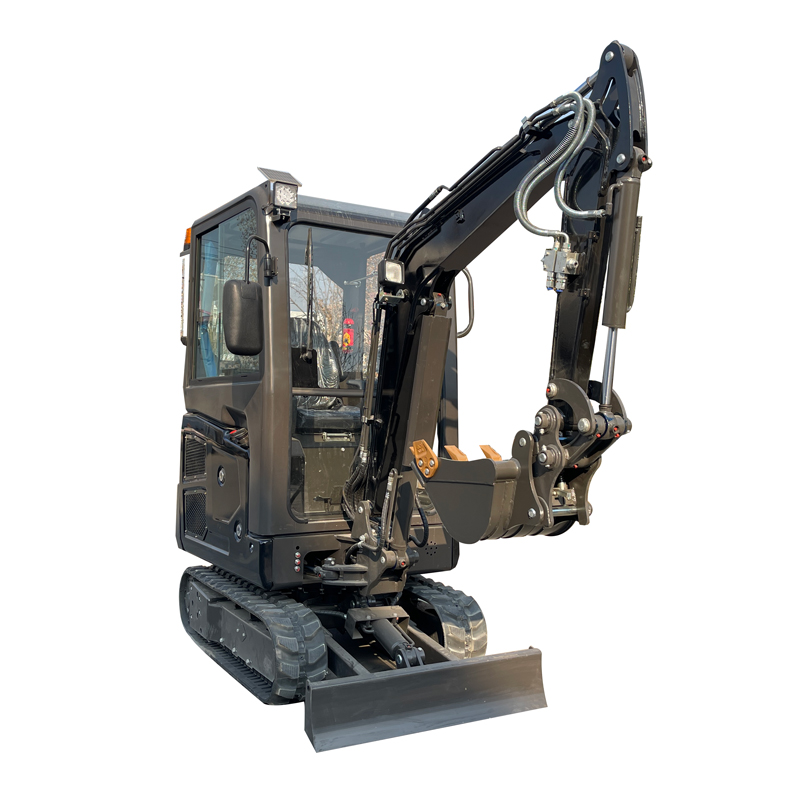
Kompaktna konstrukcija i manevrisanost u ograničenom prostoru
Ulaz u grad: Prelazak kroz uske ulice, dvorišta i unutrašnje prostorije
Savremena gradnja se sve više dešava u gustoćama urbanih sredina gdje je prostor ozbiljno ograničen. Kompaktni otisak mini kopalasa, često ispod 1 metar širine i manje od 2,5 metara dužine, omogućava pristup standardnim vratima, uskim uličicama i stambenim vratima koji isključuju veće kopale. Ova prostorna efikasnost eliminiše potrebu za opsežnom pripremom lokacije, kao što je uklanjanje ograda ili proširenje ulaznih tačaka, i omogućava direktno rad u zatvorenim prostorijama (npr. rušenje podruma ili modernizacija skladišta). U praksi, izvođač radova može voziti mašinu kroz vratima na dvorištu, postaviti je pored postojeće strukture i početi kopanje temelja bez ručnog prethodnog čišćenja, značajno smanjujući vrijeme mobilizacije i troškove rada.
Nulja repna zamah i smanjen radijus za okretanje za pravu mini-grabovsku okretnost
Dizajn nulte repne zamaha je karakteristika modernih mini kopalaca: stražnja protivteža se potpuno okreće unutar širine tračnice, eliminišući prevučenje tokom okretanja. To omogućava bezbedno, pročišćavanje rad protiv zidova, ograda, utilacije kutije, ili susjednih zgradakriticna u renoviranja i retrofit radova. Uparena sa radijusom zaokreta često ispod 1,8 metara, mašina može da se okreće na svoje mjesto i brzo se pomeri unutar ograničenih otisaka stopala. Na primer, kada se koplje uz temelje zgrade, operatori održavaju punu sposobnost zamaha bez čišćenja dodatnih tamponskih zona. Ova kombinacija nulte gube repom i čvrste manevriskanosti čini mini kopalicu jedinstveno pogodnom za nadogradnju urbane infrastrukture, unutrašnje zemljotresno delo i poslove gdje se razmak mjeri u centimetrima, a ne metarima.
Veštačnost za više zadataka sa priloga za brzo priključivanje
Pored kopanja: Hidraulički prekidači, vezači i žlijezde za fleksibilnost jedne mašine
Vrijednost mini kopala se proteže daleko izvan iskopavanja zahvaljujući standardiziranim hidrauličkim spojnicima za brzo priključivanje. U roku od nekoliko minuta, a često i bez napuštanja kabine, može se zameniti između kante za rope, hidrauličkih razbijača (za rušenje betona ili asfalta), grelova (za sortiranje i rukovanje otpadom) i štapova (za bušenje ili uzimanje uzoraka tla). Hidraulički palci dodaju finu kontrolu za postavljanje materijala ili poravnanje cijevi. Ova prilagodljivost zamjenjuje potrebu za više specijalizovanih mašina na zagušenim lokacijama, smanjujući transportnu logistiku, vrijeme postavljanja i troškove neaktivne opreme. Kao što je navedeno u Udruženju proizvođača opreme (AEM), mašine sa integrisanim sistemima brze spojnice povećavaju produktivno vrijeme rada za do 22% na urbanim projektima sa mješovitim zadatcima.
Obnova stanova, komunalni radovi i uređenje pejzaža Gdje aplikacije mini kopalaca sjaje
Mini kopalice su posebno efikasne u renoviranju stambenih objekata, gdje se kopanje mora odvijati na nekoliko centimetara od terasa, prilaza ili temelja. Njihova sposobnost da se neprekidno prebace sa uske kante za kopanje (za instalaciju optičkih vlakana ili vodovodnih linija) na razvrstalo ostrvo (za konačno ravnanje lokacije) pojednostavljuje tok rada. U uređenju pejzaža, štapovi nameštaju stubove i drveće sa minimalnim poremećajem trave, dok rotatori nagiba omogućavaju precizno oblikovanje postelja i padina. Kompanije za komunalne usluge koriste istu platformu za pristup uskim servisnim uličicama koristeći kompaktore za zadržavanje goriva oko gasnih ili telekomunikacionih linija bez oštećenja susedne infrastrukture. Konsolidovanjem ovih funkcija u jednu agilnu mašinu sa malim uticajem, izvođači radova smanjuju raspoređivanje opreme, ograničavaju poremećaje u nekretninama i ubrzavaju zatvaranje projekta.
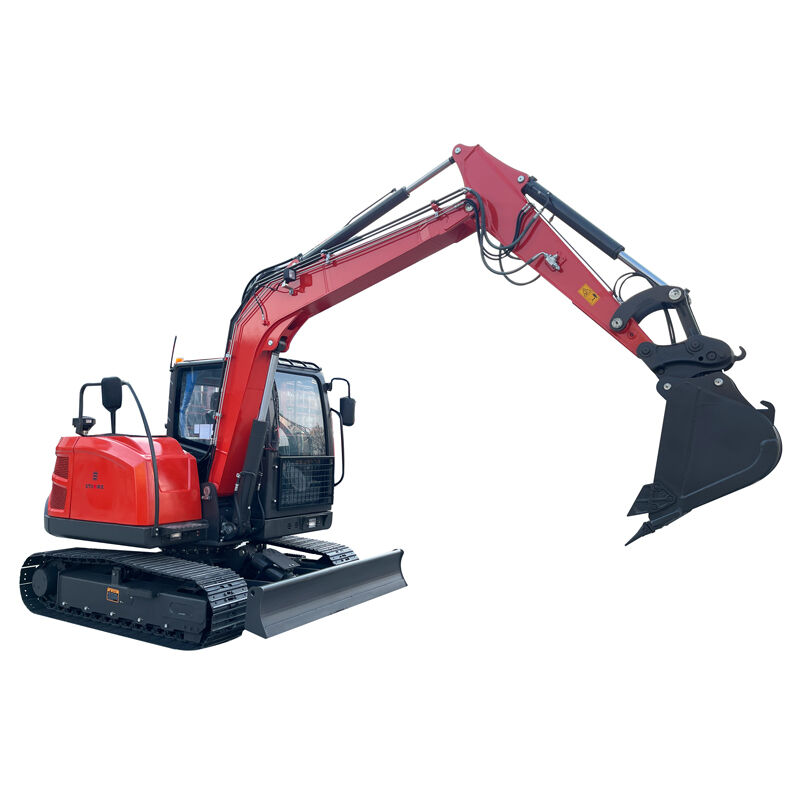
Precizna iskopavanja i minimalni uticaj na lokaciju
Precizna kontrola i hidraulička osetljivost za rope i podloge
Mini kopalice pružaju milimetarnu preciznost kroz odzivne hidrauličke kontrole i proporcionalne ventile. Operatori mogu da koriste korpu i ruke kako bi izbjegli pretjerano kopanje u blizini osetljivih područja, kao što su postojeće kanalizacije, strukturna podloga ili istorijski zid. Ova osjetljivost smanjuje ručni preobrazbu i štiti podzemne komunalne usluge, podržavajući usklađenost sa OSHA 1926 poddijelom P (Iskopavanje) standardima za sigurne prakse rova. U uskim urbanim sredinama, ovaj nivo kontrole osigurava doslednu dubinu i preciznost stepena, čak i u rovovima uskim do 300 mm, bez ugrožavanja susednih struktura ili površina.
Smanjena zapetljavanje zemljišta i očuvanje pejzaža na osetljivim mestima
Gume tragovi i niska tlaka na zemlji (obično ispod 4 psi) minimiziraju kompaktnost tla u poređenju sa čeličnim ili kolicama oprema, očuvanje koren zona, integriteta trave, i podzemlja propusnost. Na stambenim travnjakima, golf terenu, parkovima i istorijskim pejzažima, to se direktno prevodi u smanjeni napori za obnovu i niže troškove sanacije nakon projekta. U američkom Ministarstvu poljoprivrede, usluga za očuvanje prirodnih resursa ističe opremu sa niskim pritiskom na zemljištu kao najbolju praksu za smanjenje erozije izvan lokacije i održavanje zdrave strukture tla tokom malih radova na zemljištu. Ugovornici javljaju da je do 60% manje zamene i razvrstavanja trave nakon upotrebe mini kopala u odnosu na konvencionalne alternative što ubrzava predaju i poboljšava zadovoljstvo klijenata.
Operativna efikasnost troškova i ROI prednosti
Mini kopališta pružaju uvjerljive finansijske prednosti tokom životnog ciklusa opreme. Prosečna potrošnja goriva je 24 l/h manje od polovine potrošnje 10-tonne bagere što značajno smanjuje dnevne operativne troškove. Transport je pojednostavljen: većina modela se uklapa na prikolicu sa jednom osom koju vuče pick-up klase 3, izbjegavajući dozvole i naknade za teške prevoze. Održavanje je pojednostavljeno manje hidrauličkih kola, jednostavnije konstrukcije podvozja i duži intervali servisiranja smanjuju troškove rada i dijelova. Prema izveštaju Udruženja za građevinsku opremu za 2023. godinu, ukupne troškove vlasništva, kompaktni ekskavatori zadržavaju 68-75% svoje prvobitne vrijednosti nakon tri godine, nadmašujući svoje srednje veličine zbog jake potražnje na tržištima iznajmljivanja i specijaliziranih ugovora. Kada se kombinuje sa svestranosti pripreme, eliminišući potrebu za kupovinom, skladištenjem, osiguranjem i servisiranjem odvojenih prekidača, žlijezdača ili kompaktora, ukupan trošak vlasništva često donosi pozitivnu ROI unutar 12-18 mjeseci. Za izvođače koji balansiraju performanse, fleksibilnost i budžetsku disciplinu, mini kopalica ostaje strateški dobra investicija.
Česta pitanja (ČP)
Koje su glavne prednosti mini kopalaca u poređenju sa većim kopalicama?
Mini kopalice su kompaktne, agilne i ekonomične, što ih čini idealnim za kretanje u uskim i ograničenim prostorima, minimiziranje uticaja na lokaciju i pružanje operativnih troškova.
Gde se mogu koristiti mini kopalice?
Mini kopalice su odlične u renoviranju stambenih objekata, uređenju pejzaža, komunalnim radovima i graditeljskim projektima koji zahtevaju precizno iskopavanje i smanjenje utjecaja na tlo.
Kako brzo pričvršćivanje poboljšava funkcionalnost mini kopalaca?
Brzo priključljivi hidraulički spojevi omogućavaju neprekidno prebacivanje između alata kao što su kante, prekidači, hvatanja i žlijezde, omogućavajući fleksibilnost jedne mašine i smanjujući vrijeme neaktivnosti opreme.
Koje koristi od troškova mogu izvođači očekivati od mini kopalaca?
Mini kopališta troše manje goriva, imaju niže troškove održavanja i zadržavaju veliku vrednost prodaje, pružajući pozitivan ROI u roku od 12-18 mjeseci za većinu projekata.
Da li su mini kopališta ekološki prihvatljiva?
Da, mini kopalice imaju nizak pritisak na zemljištu koji smanjuje zapetljanje tla i čuva pejzaže, što je korisno za osetljiva okruženja.