 EN
EN
 AR
AR CS
CS DA
DA NL
NL FI
FI FR
FR DE
DE IT
IT NO
NO KO
KO PL
PL PT
PT RO
RO RU
RU ES
ES SV
SV TL
TL ID
ID LV
LV SR
SR SK
SK SL
SL VI
VI SQ
SQ ET
ET TH
TH TR
TR AF
AF MS
MS GA
GA HY
HY KA
KA BS
BS LA
LA MN
MN MY
MY KK
KK UZ
UZ KY
KY
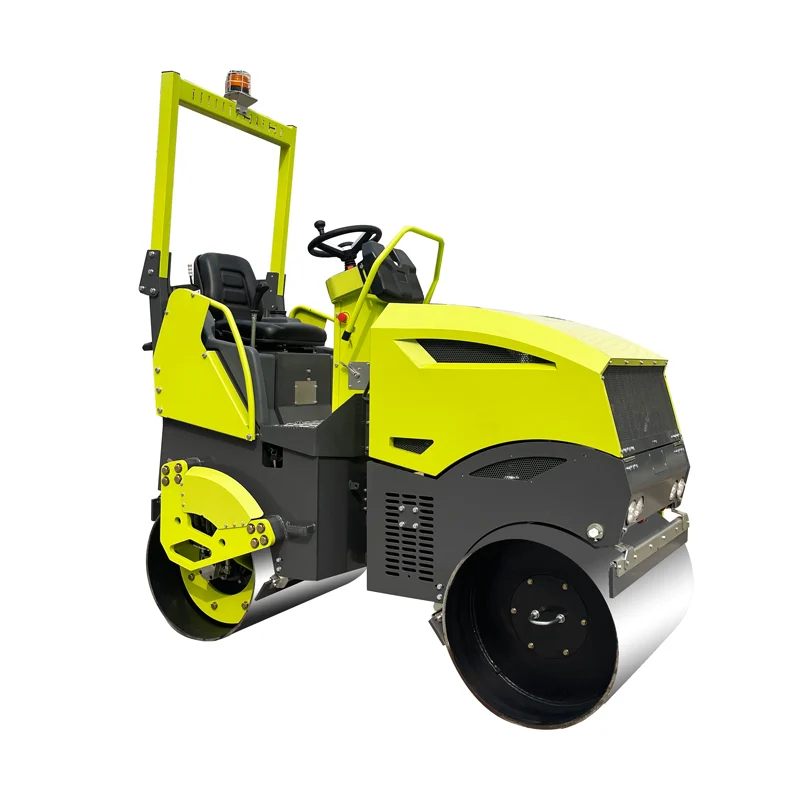
A Maintenance Manager’s Confession
A fleet maintenance manager for a large paving contractor once admitted something revealing. He said, "The machines that break down most often are rarely the oldest ones. They're the ones where the operator skipped the daily greasing or the foreman ignored a small leak." That observation matches years of data from equipment manufacturers. Most unplanned downtime on a road roller traces back to a handful of preventable causes—neglected lubrication, contaminated fluids, or worn filters. The good news is that a systematic maintenance program can prevent the vast majority of these failures, keeping rollers on the job and out of the repair shop.
The Daily Walk-Around That Saves Thousands
The most effective maintenance routine starts before the engine turns over. A daily walk-around inspection takes ten minutes but can save days of downtime. Start with the basics: check the engine oil level and coolant level, and look for any fluid leaks around the hydraulic system. Inspect the drum for damage and verify that the water spray system is clear and functioning—asphalt sticking to a dry drum ruins the mat surface. Examine the hydraulic hoses and electrical connectors for wear or corrosion. These daily checks are the first line of defense against the minor issues that become major failures. The operator who notes a small hydraulic weep can save a pump replacement; the one who catches a loose bolt can prevent a structural crack.
The Hydraulic System: The Machine’s Lifeblood
The hydraulic system powers steering, propulsion, and the vibration system itself. Contaminated or low hydraulic fluid is a leading cause of sluggish response and component failure. The hydraulic oil filter should be replaced every 500 hours of use, and the hydraulic tank should be drained, cleaned, and refilled with filtered oil every six months. The engine requires similar discipline. Fuel filters should be replaced at recommended intervals to prevent hard starts and power loss. An air filter that is clogged with dust restricts airflow and disrupts the fuel-air mixture, leading to poor performance and increased fuel consumption. These intervals are not suggestions; they are the result of engineering analysis of component wear rates and oil degradation.
The Vibration System: Where Most Failures Occur
The vibration system is what makes a vibratory roller effective, and it is also the most demanding on maintenance. The exciter bearings inside the drum are subjected to intense forces and require regular greasing. Most vibration failures trace back to inadequate lubrication of these bearings or worn drive belts. The lubricating oil in the vibratory wheel should be changed every 1000 hours. Additionally, the travel bearings should receive fresh grease approximately every 20 operating days. A regular greasing schedule is the single most effective step to prevent costly vibration system repairs. When this step is overlooked, the bearings overheat, the eccentric shaft binds, and the repair bill quickly exceeds the cost of years of routine maintenance.
Seasonal and Long-Term Care
Preventative maintenance extends beyond the job site and into periods of storage. At the end of a project or season, a thorough cleaning removes accumulated debris that can cause accelerated corrosion. All bearing points should be freshly greased to displace moisture, and exposed metal surfaces should receive a protective coating to prevent rust. Electrical connectors, particularly those in the operator’s cab and external lighting, should be treated to prevent moisture-related failures. When the machine returns to service after storage, a pre-season inspection checks grease points, fluid levels, and protective coatings before the first pass. Machines with good maintenance records retain 35-45% of original value, compared to 15-20% for poorly maintained units. A stored machine is not a "set it and forget it" asset; it requires care to remain ready for work.
The Role of the Manufacturer in Long-Term Reliability
A reliable maintenance program depends on the quality of the machine itself. A well-designed roller with durable components and accessible service points makes routine maintenance easier and more effective. STORIKE, with nearly 15 years of experience as a specialized roller manufacturer, builds its machines with maintainability in mind. Their smart manufacturing processes and rigorous quality control ensure that the engines, hydraulic systems, and vibratory mechanisms are built to withstand the demands of daily compaction work. For contractors and fleet managers, choosing a machine from a manufacturer that understands the importance of reliability and serviceability is the foundation of a successful preventative maintenance strategy—one that keeps rollers on the job and out of the repair shop.
