 EN
 AR
 CS
 DA
 NL
 FI
 FR
 DE
 IT
 NO
 KO
 PL
 PT
 RO
 RU
 ES
 SV
 TL
 ID
 LV
 SR
 SK
 SL
 VI
 SQ
 ET
 TH
 TR
 AF
 MS
 GA
 HY
 KA
 BS
 LA
 MN
 MY
 KK
 UZ
 KY

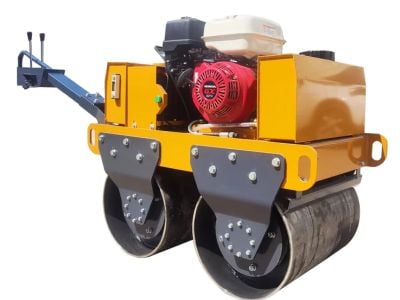
Vibrating drum rollers are essential machinery in the construction industry, primarily used for compacting soil, asphalt, and other materials. Their efficiency and effectiveness directly impact project timelines and quality. Understanding the advantages of vibrating Plate compactor drum rollers in construction can help purchasing managers, contractors, and engineers make informed decisions. This article outlines critical specifications, common problems, and insights on sourcing reliable manufacturers to ensure optimal performance and longevity in your construction projects.
Key Specifications to Consider for Vibrating Drum Rollers
When evaluating vibrating drum rollers, several specifications should be prioritized to ensure the equipment meets your project requirements. Key considerations include:
Operating Weight: The weight of the roller influences its compaction capability. Heavy rollers, typically exceeding 10 tons, are suitable for asphalt and soil compaction in larger projects, while lighter models are effective for smaller tasks.
Drum Width: Wider drums cover more ground in a single pass, increasing efficiency on larger sites. Common widths range from 1.5 to 2.5 meters. Select a width considering the project scale and site conditions.
Vibration Frequency: The frequency at which the drum vibrates affects the roller's performance. Higher frequencies can compact materials more effectively but may be unsuitable for certain types of soil. A frequency range of 30 to 50 Hz is typical for most applications.
Amplitude: The amplitude of vibration determines the depth of compaction. Higher amplitudes are necessary for denser materials, while lower amplitudes are ideal for surface finishes.
Engine Power: The engine power affects the roller's performance, especially on inclines or uneven surfaces. A minimum of 50 to 100 horsepower is common in many models, ensuring adequate power for varied tasks.
Understanding these specifications allows buyers to choose a Road roller that aligns with their operational needs, ultimately enhancing productivity and project outcomes.
What to Look for in Vibrating Drum Rollers
When selecting vibrating drum rollers, buyers should assess several critical factors to ensure they acquire the right machinery:
Quality of Build Materials: Look for rollers constructed from high-strength steel or other durable materials. This ensures longevity and resistance to wear and tear, particularly under heavy usage and challenging site conditions.
Hydraulic System: A reliable hydraulic system is essential for efficient operation. It should allow for smooth adjustments in vibration and compaction settings. Check for features like dual amplitude settings to enhance versatility.
Ease of Maintenance: Maintenance accessibility is a vital consideration. Rollers designed with easily accessible components will reduce downtime and maintenance costs. Look for models with centralized lubrication systems or easy access to hydraulic filters.
Operator Comfort and Safety Features: An ergonomic operator station with safety features such as rollover protection and vibration-dampening seats can significantly enhance operator comfort and safety during extended use.
Brand Reputation and Support: Choose well-established brands known for producing reliable equipment. Investigate the availability of customer support and service options, as well as warranty terms, to safeguard your investment.
By focusing on these aspects, buyers can ensure they select a vibrating Excavator drum roller that meets their operational demands while providing reliable performance.
Common Problems with Vibrating Drum Rollers and Their Solutions
Despite their efficiency, vibrating drum rollers can encounter several common issues:
Vibration Malfunction: Rollers may experience issues with the vibration system, resulting in inadequate compaction. Regularly check the hydraulic system for leaks and ensure the vibration mechanism is functioning correctly. Immediate repairs are essential to avoid project delays.
Drum Wear and Damage: Frequent use can lead to drum wear or damage, affecting performance. Inspect drums for signs of wear and replace them when necessary. Utilizing protective coatings can extend the life of the drum surfaces.
Hydraulic Failures: Hydraulic issues can lead to loss of power and control. Ensure routine maintenance is performed, focusing on hydraulic fluid levels and filter conditions. Immediate action is required if any leaks are detected.
Operational Inefficiencies: Poor compaction results from improper settings or operator techniques. Provide adequate training for operators on the correct settings and usage practices to enhance efficiency and avoid common errors.
Addressing these problems proactively through regular maintenance and operator training will enhance the reliability and effectiveness of vibrating drum rollers in construction applications.
Finding Reliable Vibrating Drum Roller Manufacturers
When seeking suppliers for vibrating drum rollers, consider the following approaches to ensure you choose a reputable manufacturer:
Industry Reputation: Research manufacturers with a solid reputation in the industry. Reviews, testimonials, and case studies can offer insights into their reliability and product quality.
Certifications and Standards: Verify if the manufacturer adheres to international quality standards, such as ISO certification. This indicates a commitment to maintaining high-quality production processes.
Customization Options: Many projects require specific configurations or features. A manufacturer that offers customization can better meet unique project demands.
After-Sales Support: Evaluate the level of after-sales support provided, including warranty terms, parts availability, and technical assistance. Strong support can minimize downtime and operational disruptions.
Export Experience: If you're sourcing internationally, ensure the manufacturer has experience with export regulations and logistics. This can simplify the purchasing process and ensure compliance with local laws.
By conducting thorough research and considering these factors, buyers can identify reliable manufacturers that align with their operational needs and project requirements.
Bulk Order Benefits for Contractors and Distributors
Purchasing vibrating drum rollers in bulk can offer significant advantages for contractors and distributors:
Cost Savings: Bulk purchases often come with discounts, significantly reducing the cost per unit. This can lead to substantial savings, especially for large projects that require multiple machines.
Consistent Quality: Ordering in bulk from a single manufacturer ensures consistency in quality and performance across all units, reducing the risk of discrepancies that can arise from sourcing from multiple suppliers.
Streamlined Logistics: Bulk orders can simplify logistics and reduce shipping costs, as fewer shipments are required. This can enhance project timelines and reduce delays associated with equipment availability.
Enhanced Negotiation Leverage: Bulk orders provide the opportunity to negotiate better terms, including payment terms, delivery schedules, and warranty conditions, benefiting both the contractor and the distributor.
Availability of Spare Parts: A bulk order often secures access to necessary spare parts and accessories, ensuring that maintenance and repairs can be conducted without delay.
By leveraging these benefits, contractors and distributors can enhance their operational efficiency and project profitability while ensuring access to high-quality vibrating drum rollers.
