EN
EN
 AR
AR CS
CS DA
DA NL
NL FI
FI FR
FR DE
DE IT
IT NO
NO KO
KO PL
PL PT
PT RO
RO RU
RU ES
ES SV
SV TL
TL ID
ID LV
LV SR
SR SK
SK SL
SL VI
VI SQ
SQ ET
ET TH
TH TR
TR AF
AF MS
MS GA
GA HY
HY KA
KA BS
BS LA
LA MN
MN MY
MY KK
KK UZ
UZ KY
KY
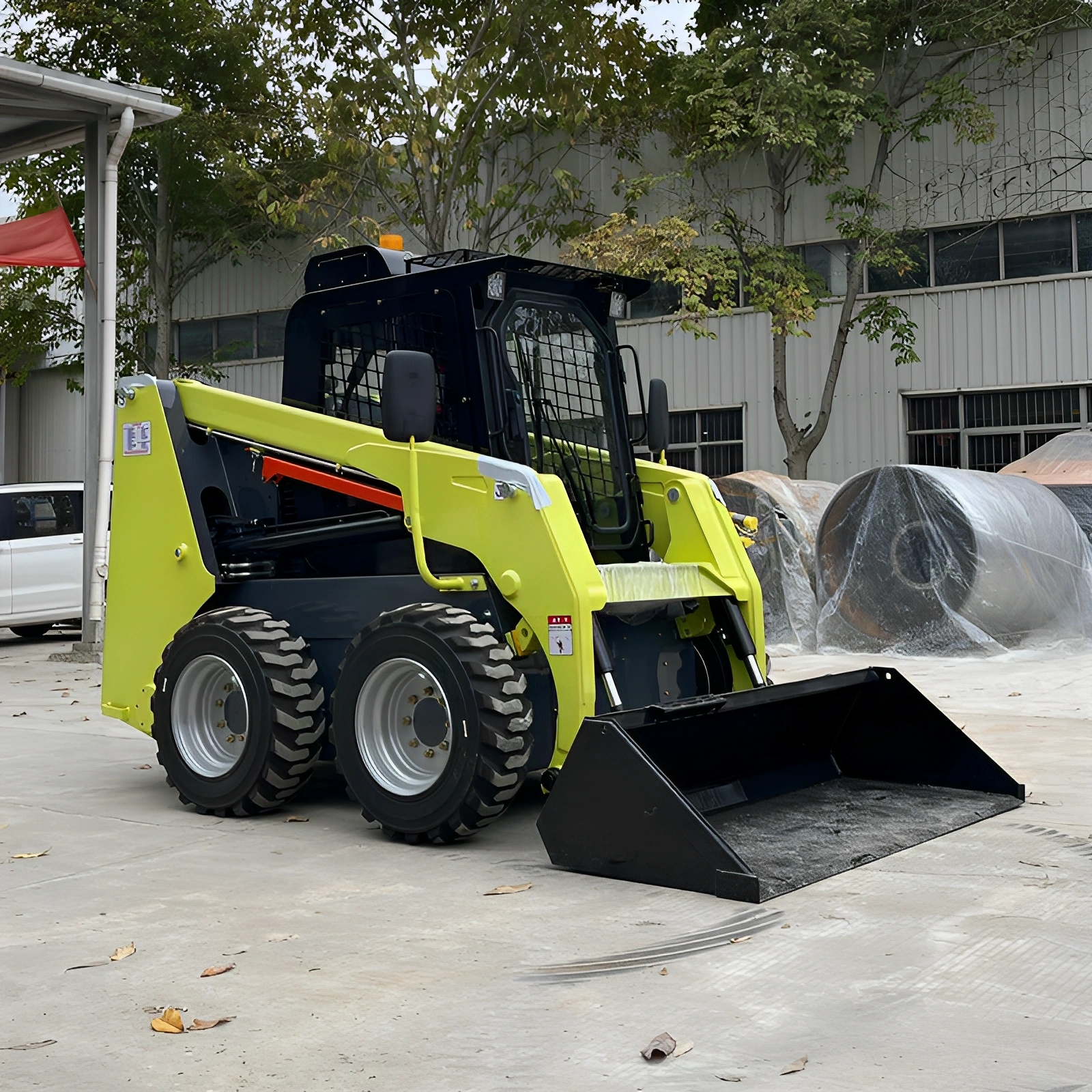
Core Principles for Selecting High-ROI Skid Steer Loader Attachments
Why Attachment Choice Dictates Operational Efficiency
Choosing the right attachments for skid steer loaders makes all the difference when it comes to getting work done efficiently on site. When operators pick the wrong tools, they end up wasting around 40% of their time switching between attachments and dealing with compatibility issues. Getting the hydraulic system matched properly matters a lot too. The flow rate measured in gallons per minute needs to line up with what the attachment actually requires. Otherwise, workers run into power problems that slow everything down. This isn't just theory either - recent field studies from last year back this up completely. Smart attachment choices turn one piece of machinery into something that can handle multiple tasks throughout the day. Jobs get completed faster because there's less downtime waiting for equipment changes, which means projects stay on schedule instead of running behind.
Applying the 80/20 Rule: Most Common Uses in Contracting and Landscaping
| Application | Core Tasks (20%) | High-ROI Attachments (80%) |
|---|---|---|
| Landscaping | Grading, material transport | Grading buckets, dump hoppers |
| Road Contracting | Trenching, backfilling | Augers, backhoes, compactors |
| Site Preparation | Clearing, leveling | Land planes, root rakes |
Prioritizing these universal operations addresses 84% of observed tasks according to construction workflow analyses. This Pareto-driven approach minimizes downtime while pushing attachment utilization rates above the 68% industry average reported in Equipment Today surveys.
Key Selection Criteria: Frequency of Use, Payload Capacity, and Payback Period
Three decisive factors govern smart investment in skid steer loader attachments:
- Task Frequency: Daily-use implements justify premium durability, while specialty tools should be cost-effective
- Payload Limits: Exceeding rated capacities leads to premature failure, with average repair costs around $740 (Ponemon 2023)
- ROI Horizon: Attachments should recoup costs through labor savings within 18 months
Concrete demolition illustrates this balanceârequiring high-demand breaker hammers and strict adherence to hydraulic specs for economic viability. Validating each criterion prevents capital erosion from underused inventory or overload damage.
Most Versatile Skid Steer Loader Attachments for Maximum Productivity
Buckets: Standard, Heavy-Duty, and Specialty Designs for Optimal Material Handling
Standard buckets handle 80% of routine material transport, while heavy-duty variants withstand abrasive loads like gravel or demolition debris. Rock buckets feature reinforced steel and gap-free designs for sifting, and low-profile models excel in tight spaces. Specialized options include:
- Skeleton buckets for separating soil from rocks during excavation
- High-capacity coal buckets to maximize volume with lightweight materials
- GP (general purpose) buckets that balance depth and width for everyday use
Proper bucket selection reduces material handling cycles by 15â25%, directly accelerating project timelines.
Augers and Backhoes: Deep Digging Needs vs. Torque and Machine Compatibility
Augers dominate vertical drillingâfrom fence posts to tree plantingâwith savings of $1.5k per acre versus manual labor. Hydraulic models generate 3,500â7,500 lb-ft of torque but require matching auxiliary flow rates (8â25 GPM). Backhoes offer superior trenching precision for utilities, though they often need counterweights for stability. Key considerations include:
- Auger diameter (6â48 inches), which affects penetration speed
- Backhoe reach (10â16 feet), influencing trenching efficiency
- Quick-attach compatibility, minimizing downtime during swaps
Brush Hogs, Mulchers, and Stump Grinders: Efficient Vegetation Management Solutions
Brush hogs clear 1â2 acres of dense brush per hourâtripling crew outputâwhile mulchers convert vegetation into nutrient-rich biomass, eliminating disposal costs. Stump grinders remove 24-inch stumps in under 10 minutes, preventing regrowth. Performance at a glance:
| Attachment Type | Coverage Rate | Ideal Use Case |
|---|---|---|
| Brush Hog | 1â3 acres/hr | Overgrown field clearing |
| Mulcher | 0.5â1 acre/hr | Invasive species management |
| Stump Grinder | 15â25 stumps/hr | Post-logging site prep |
Together, these attachments reduce land clearing expenses by 40â60% compared to traditional methods.
Underutilized Yet High-Impact Attachments That Boost Profitability
Pallet Forks: Tripling Material Handling Speed Over Manual Labor
When attached to skid steer loaders, pallet forks transform these machines into versatile tools for handling materials around job sites, cutting down on all that backbreaking lifting work. Many contractors have seen their operations speed up dramatically when moving stacked goods around, largely because of how the hydraulics integrate directly with the loader controls. This lets operators handle heavy loads safely from inside the cab, sometimes as much as 3,000 pounds worth. These attachments aren't limited to just one type of cargo either. They work great for hauling lumber stacks, bundles of pipes, or even transporting heavier equipment between locations. What used to take workers hours now gets done in a fraction of the time. Less physical toll on workers means crews can focus on other tasks throughout the day, which really boosts overall productivity for construction projects and landscaping work alike.
Industrial Brooms: Reducing Cleanup Time by 60% on Job Sites
Cleaning up after construction work often takes anywhere from 15 to 30 percent of total project time if workers don't have proper equipment. With industrial broom attachments, crews can slash this timeframe by about two thirds. These attachments sweep away debris quickly on all kinds of surfaces including concrete, asphalt, and gravel. The counter rotating bristles spin at around 2500 RPM, which means they clear an entire eight foot wide path with each sweep. Workers get their sites looking as clean as a freshly paved parking lot within minutes, something that makes all the difference when switching between jobs or trying to meet tight deadlines. Beyond saving money on labor, these attachments also help keep everyone safer by getting hazards off the ground right away instead of letting them sit around until someone trips.
Grapples: Enhancing Debris and Land Clearing Efficiency
When standard buckets just cant hold on, grapples step in with their dual hydraulic cylinders that pack around 3,200 pounds of grip power. They handle all sorts of awkward stuff too root balls, big rocks, even chunks of rubble after demolition work. Contractors who clear land tell us they get about 40% speed boost because those articulated jaws actually tear through vegetation without dragging along tons of dirt. The whole system balances out so the skid steer stays steady when lifting heavy loads. Those teeth on the edges bite right into compacted material. Less time moving the machine around means workers finish twice as much each day when dealing with trees or maintaining roadsides.
Trends and Technology: Modular Systems and Quick-Attach Innovations
How Quick-Attach Platforms Enable Faster Multi-Attachment Workflows
The quick attach coupler system really boosts productivity since workers can swap tools in less than two minutes without having to deal with hydraulics. Instead of spending hours manually changing attachments, operators simply switch between different equipment like buckets or augers right from inside the machine cabin. This kind of flexibility means a single skid steer loader can handle several different jobs during just one workday. Construction sites where tasks happen one after another see some of the biggest benefits. For example, when a job needs both excavation and then site preparation, these systems save tons of time compared to traditional methods.
The Rise of Hydraulic and Smart Attachments in Modern Fleets
Advanced hydraulics and IoT-enabled tools are now standard in high-efficiency fleets. These smart attachments offer:
| Feature | Operational Impact |
|---|---|
| Auto-calibration | Adjusts digging depth and torque automatically |
| Telematics sensors | Track performance metrics in real time |
| Energy-efficient hydraulics | Reduce fuel consumption by 18% |
These innovations reduce operator fatigue and improve precision in tasks like land grading and hazardous material handling. The shift toward electric and hybrid systems further supports compliance with urban emissions standards without sacrificing performance.
Real-World Impact: Case Studies in Attachment-Driven Efficiency Gains
Midwest Landscaper Increases Billable Hours by 37% with Three Core Attachments
A small landscaping business based in Ohio saw major improvements after adding three essential attachments to their skid steer: a standard bucket, some heavy duty forks, and a good quality trencher. The bucket handles all the regular dirt and gravel moving around the site each day while the forks take care of transporting those big plants from nurseries without anyone having to lift a finger. And let's not forget about the trencher which makes installing irrigation lines so much easier and accurate. According to industry data from last year, this combination cut down wasted time between jobs by almost an hour every single workday. That extra time meant crews could tackle roughly three more jobs each week. Over the course of eight months, the company actually increased its total billable hours by nearly 40% compared to previous years, plus they saved close to twenty grand on equipment rentals because they weren't constantly renting specialized tools anymore.
Right-of-Way Contractor Cuts Clearing Time by 29% with Brush Hog Adoption
One utility maintenance company got rid of those annoying vegetation management delays when they started using heavy duty brush hog attachments on their compact equipment. Before this change, workers were spending around 18 long hours for every single mile of dense right of way corridor they had to clear, mostly relying on chainsaws and lots of manual cleanup afterward. What makes these brush hogs so effective is their built in mulching system that does all three things at once cutting, shredding, and making neat piles of debris while allowing operators to adjust height settings to avoid damaging nearby infrastructure. According to numbers from the Infrastructure Maintenance Report 2023, after implementing this new approach, clearing times dropped by nearly 30% per mile. That translated into savings of about $3,700 each week just on labor costs and fuel expenses. Pretty impressive return on investment too the equipment actually paid for itself within just 14 weeks, which meant the company could reallocate those saved resources toward projects that generate better profits.
Frequently Asked Questions
How do I choose the right skid steer loader attachment?
Consider factors such as task frequency, payload limits, and payback period. Ensure the attachment matches the hydraulic system and the specific work requirements.
Why are quick-attach systems beneficial?
Quick-attach systems allow for fast swapping of attachments, enhancing efficiency and reducing downtime.
What are the most versatile attachments for a skid steer loader?
Buckets, augers, backhoes, brush hogs, mulchers, and stump grinders are among the most versatile attachments applicable in various tasks.
Table of Contents
- Core Principles for Selecting High-ROI Skid Steer Loader Attachments
- Most Versatile Skid Steer Loader Attachments for Maximum Productivity
- Underutilized Yet High-Impact Attachments That Boost Profitability
- Trends and Technology: Modular Systems and Quick-Attach Innovations
- Real-World Impact: Case Studies in Attachment-Driven Efficiency Gains