EN
EN
 AR
AR CS
CS DA
DA NL
NL FI
FI FR
FR DE
DE IT
IT NO
NO KO
KO PL
PL PT
PT RO
RO RU
RU ES
ES SV
SV TL
TL ID
ID LV
LV SR
SR SK
SK SL
SL VI
VI SQ
SQ ET
ET TH
TH TR
TR AF
AF MS
MS GA
GA HY
HY KA
KA BS
BS LA
LA MN
MN MY
MY KK
KK UZ
UZ KY
KY
Enhancing Safety in Nighttime Road Work with Light Towers
Reducing Worker Injury Rates Through High-Quality Illumination
Poor lighting is actually responsible for around 30% of all accidents on construction sites according to the National Safety Council from last year. Light towers help cut down on these risks because they spread out bright light across whole work areas, usually putting out over 20,000 lumens worth of illumination. When workers can see what's going on, they spot dangers like rocky ground patches, deep holes left uncovered, or sticking out from concrete. The newer LED setups get rid of those pesky shadowy corners where people trip or machinery happens so often. Plus, the steady white light between 5000 to 6500 Kelvin doesn't strain eyes as much when crews are working long hours into the night.
Meeting OSHA and MUTCD Requirements for Work Zone Lighting
Construction regulations set a baseline of at least 5 foot-candles (around 54 lux) needed for proper lighting in work areas. Most modern light towers not only satisfy OSHA's 1926.56 standards but actually go beyond them, meeting MUTCD Chapter 6G guidelines for visibility in night time construction zones too. These units come with adjustable brightness settings so they can maintain legal illumination levels even when conditions change on site. This flexibility helps keep records clean during inspections and cuts down on potential fines from non-compliance issues.
Minimizing Shadow Zones and Glare-Related Visibility Hazards
When lighting isn't properly placed, it creates dangerous contrasts where bright spots meet dark areas, which can lead to people misjudging how far things are or not seeing obstacles at all. Light towers that are set up strategically with those special 45 degree beams really help get rid of those pesky shadow pockets around big machines, stacked materials, and where workers walk. At the same time, these systems include those fancy diffusers that cut down on glare so drivers can still see clearly on nearby roads. And this matters a lot because according to the National Highway Traffic Safety Administration, almost three quarters of pedestrian deaths happen when there's not enough light. So what we're talking about here is a design that works two ways protecting everyone from construction crews to cars driving by.
Improving Operational Efficiency with Mobile Light Tower Solutions
Faster Setup and Relocation Across Dynamic Work Zones
Mobile light towers save roughly three quarters of the setup time needed for old fashioned generator and light combos. They can be deployed completely in just under ten minutes while traditional systems take around forty five minutes or more to get going. The whole unit sits on a trailer so workers can move them from spot to spot quickly without having to take anything apart or run new wires. This saves time that would otherwise be lost during relocation, something that typically costs about twenty three minutes every hour with older equipment. Take the recent highway expansion project in 2023 as an example. When crews could adjust tower positions on the fly, they saw their pylon installation numbers jump by about seventeen percent each week. That kind of flexibility makes all the difference during projects with changing requirements like road milling and paving phases or when unexpected repairs come up and work areas need constant readjustment.
Lower Fuel and Labor Costs Compared to Traditional Generator-Light Setups
Mobile light towers that are centrally located offer real money savings in two main ways. The LED lights use about 67 percent less fuel each month compared to those old fashioned halogen bulbs, which works out to around $1,880 saved every month on just one unit. Plus moving these things around takes way less work than it used to. Old setups needed two people to move them, but now just one person can get the job done quickly. That means about 15 fewer hours of labor each week for most projects. These towers also run for 8 to 12 hours straight, so they need refueling much less often. Over longer projects, this adds up to big savings. Some hybrid versions even come with solar panels built in. This cuts down on fuel needs by somewhere between 40 and 60 percent when working in remote areas without grid power. Makes sense really, since nobody wants to haul extra fuel all the time.
Adapting Light Towers to Diverse Road Maintenance Environments
Adjustable Mast Heights and Beam Angles for Lane Closures and Shoulder Repairs
Light towers can adjust easily to tight spaces thanks to their extendable masts which range from around 20 to 50 feet tall, paired with LED lights that point exactly where needed. When working on those narrow road shoulders, these setups provide complete lighting coverage without leaving dark spots. At the same time, they keep the main traffic lanes well lit too. This matters a lot during partial road closures because the angled beams help avoid blinding drivers who pass by the construction area. The ability to control light direction really cuts down on unwanted light spreading outside the actual work site. Contractors appreciate this feature since it helps them follow city rules about nighttime lighting restrictions and reduces complaints from nearby residents about excessive brightness after hours.
Reliable All-Weather Performance with IP65-Rated Light Towers
Maintaining roads means dealing with all sorts of harsh conditions out there. Think about it: torrential downpours that turn everything into mud, choking desert dust storms, and freezing cold that can crack concrete. That's where IP65 rated enclosures come in handy. These bad boys keep dust out completely and stand up to powerful water jets, so they just keep working no matter what Mother Nature throws at them. The toughness really matters when crews need to fix roads after floods hit or when working on those dusty construction sites near deserts. Without proper ratings, regular equipment tends to break down way too soon, causing delays and eating into budgets with unexpected repair costs.
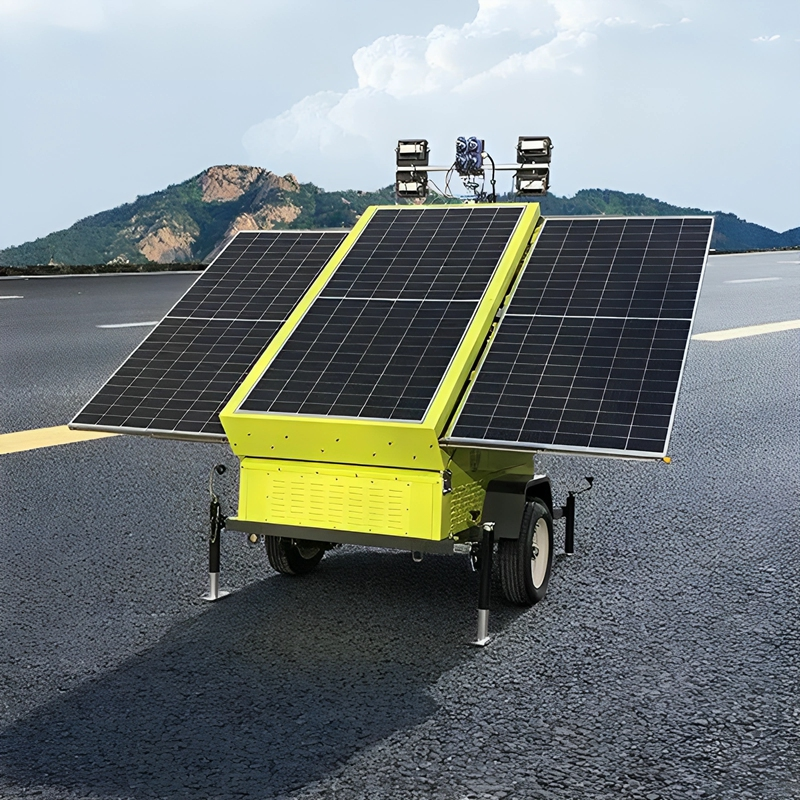
Solar-Hybrid Light Towers for Remote or Off-Grid Highway Projects
When working on bridge fixes in mountain areas or expanding highways where there's no nearby power source, these solar diesel combo lights can run nonstop for over 70 hours straight. The built in solar panels charge the batteries all day long, which means the diesel generator doesn't need to run as much. We're talking around half the time compared to regular equipment, so less fuel has to be hauled in. Plus, since they don't make noise or pollution, crews can work at night near homes without disturbing anyone. This quiet operation makes it easier to get permits and keeps neighbors happy while meeting those green regulations everyone cares about these days.
Regulatory and Contractual Incentives for Light Tower Use
State DOT Mandations for Minimum Lux Levels in Active Work Zones
Most state transportation departments set their own lighting rules, usually asking for between 10 and 50 lux when workers are doing things like laying down asphalt or pouring concrete. When companies don't hit those numbers, they face real problems - fines, delayed projects, and lots of trouble during safety checks from regulators. That's where light towers come in handy. These big lights can be adjusted right on site, so there are no dark spots and everything stays evenly lit even as the job site changes over time. Smart contractors know that going above and beyond what's required pays off in several ways. They get bonus money for good safety records, lower insurance costs, and sometimes even special treatment from states looking to reward responsible businesses. Meeting regulations isn't just about avoiding trouble anymore it actually gives companies an edge in the marketplace.
FAQ
Why are light towers important for nighttime road work?
Light towers provide high-quality illumination that helps reduce worker injury rates by ensuring visibility and minimizing hazards due to poor lighting conditions during nighttime road work.
How do light towers comply with safety regulations?
Light towers meet and often exceed OSHA and MUTCD requirements for work zone lighting, ensuring legal compliance and improving safety in construction areas.
What are the cost benefits of using mobile light towers?
Mobile light towers reduce setup time, lower fuel and labor costs, and require less frequent refueling compared to traditional lighting solutions, resulting in significant cost savings over time.
Can light towers be used in different weather conditions?
Yes, IP65-rated light towers are designed to withstand harsh weather conditions, keeping them operational and efficient no matter the environment.
Do light towers offer any environmental benefits?
Solar-hybrid light towers operate quietly and without pollution, and their solar panels reduce reliance on fuel, making them environmentally friendly and suitable for use near residential areas.