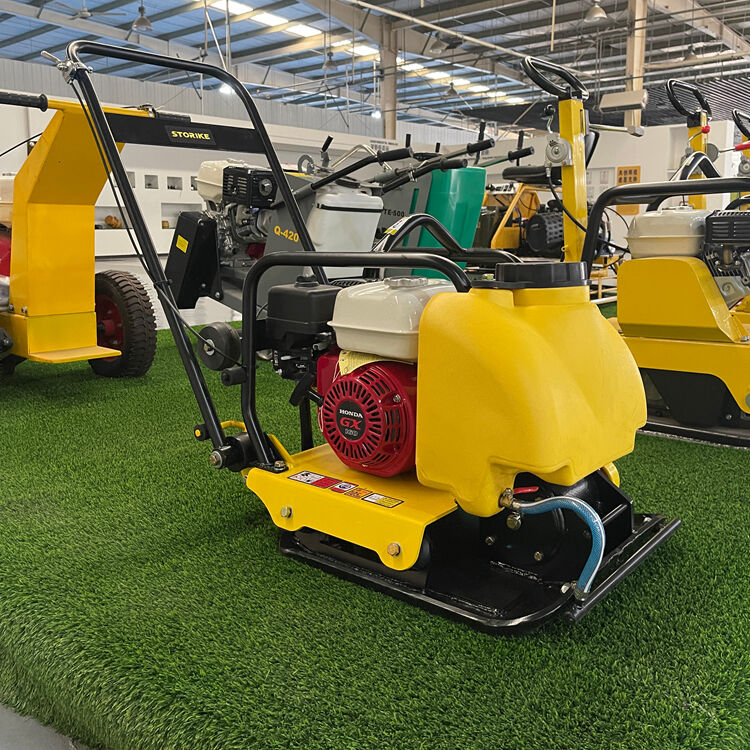
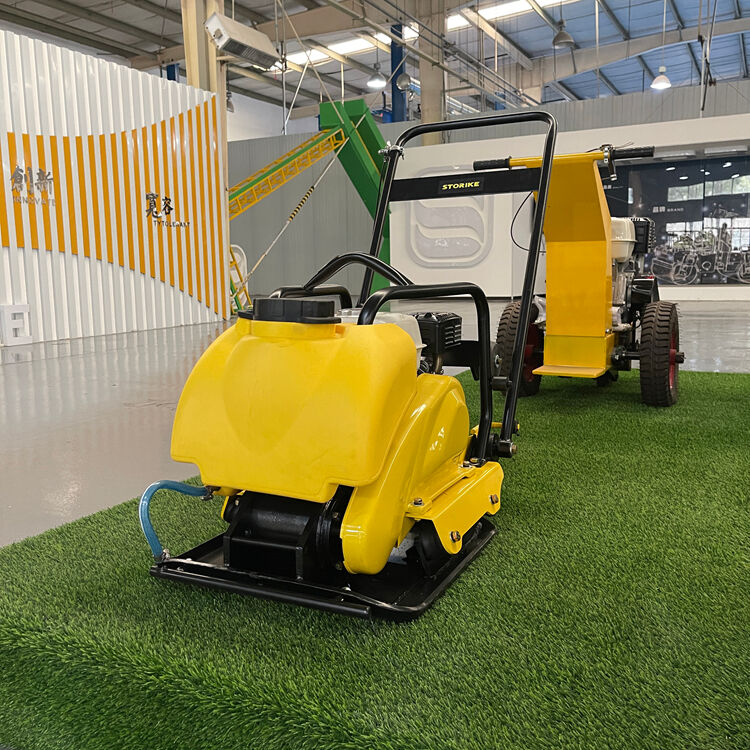
Noise pollution is a significant concern on construction sites, particularly those in urban, residential, or noise-sensitive areas like hospitals and schools. A low noise plate compactor is engineered to minimize its acoustic footprint through a multi-faceted approach to sound dampening, without compromising compaction performance. Reducing noise emissions is not only a matter of regulatory compliance and community relations but also directly benefits operator health and jobsite communication. Achieving low noise levels involves several design strategies. The engine itself is often housed within a specially designed enclosure lined with sound-absorbing materials that trap and dampen noise waves. The engine muffler is optimized for maximum exhaust gas silencing. Furthermore, components like the base plate and frame may be isolated from the vibrating mass using rubber buffers to prevent the amplification of sound through metal-on-metal contact. Some advanced models utilize hydraulic systems, which are inherently quieter than mechanical drives. The benefits are substantial: allowing work to commence earlier in the day or continue later without disturbing the surrounding community, thus adhering to strict local noise ordinances. It also creates a safer work environment by enabling clearer communication between crew members and allowing operators to hear important site sounds, such as vehicle backup alarms. Reduced noise exposure also decreases operator fatigue over long shifts. For projects where environmental considerations are paramount, such as indoor compaction in shopping malls or office buildings after hours, a low-noise compactor is essential. To inquire about our range of quiet-operation plate compactors and their decibel ratings, please contact our technical team. We can help you select a model that meets your project's performance and noise-level requirements.
Copyright © by 2025 Shandong Storike Engineering Machinery Co., Ltd.