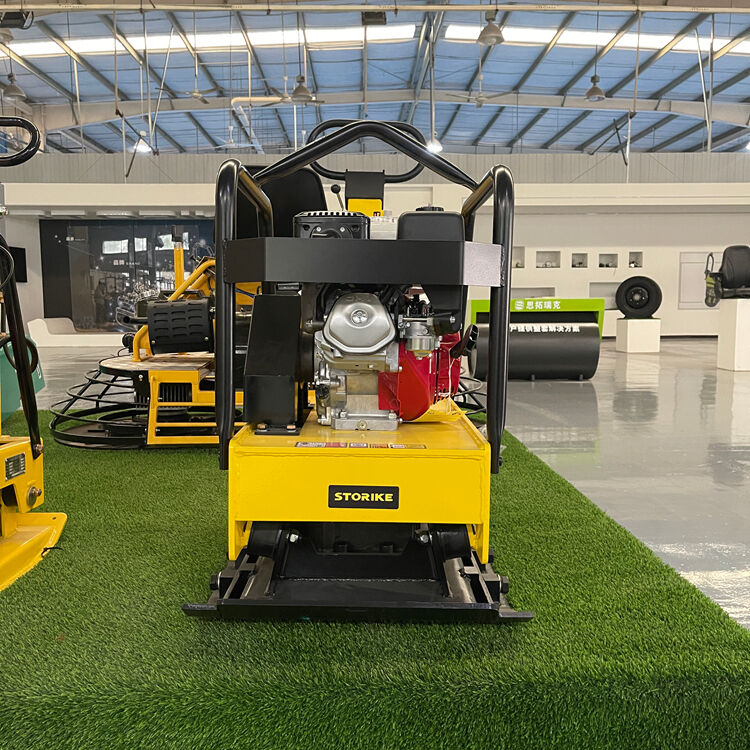
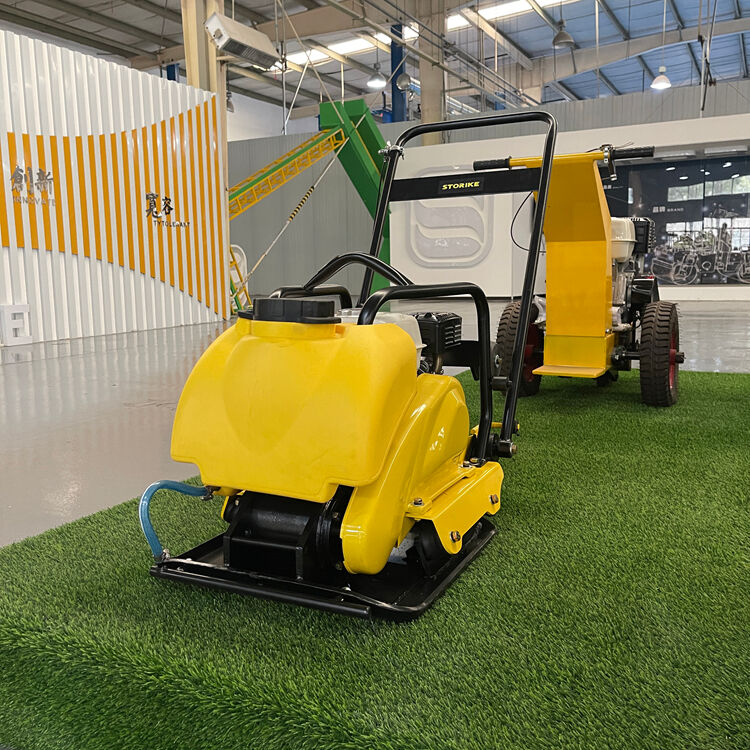
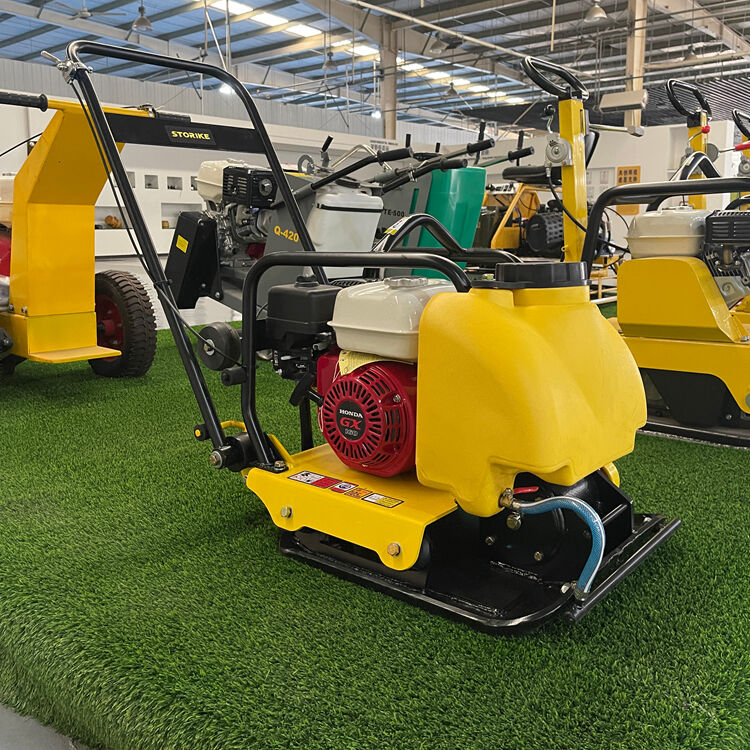
Compacting sand presents unique challenges due to its non-cohesive, granular nature. Unlike cohesive soils, sand particles lack inherent stickiness and achieve density primarily through the rearrangement of grains into a tighter configuration. A standard plate compactor may be insufficient, but a model specifically engineered for sand compaction utilizes high-frequency vibrations to effectively reduce air voids and create a stable, load-bearing surface. The key to successful sand compaction is the rapid application of force that causes the particles to settle and interlock. Plate compactors for this purpose are optimized to transmit these vibrations efficiently through the sand layer. A critical application is in the preparation of sub-bases for pavers, patios, and pool decks. A properly compacted sand bed is essential to prevent the settling or shifting of paving stones over time, which leads to an uneven surface and potential trip hazards. In sports field construction, particularly for sports like beach volleyball or long jump pits, achieving a consistent and firm sand surface is crucial for athlete safety and performance. Furthermore, sand is often used as a backfill material in utility trenches; compacting it in controlled lifts ensures the ground above remains stable and prevents sinkholes. These specialized compactors often feature a larger plate surface area to distribute the force and prevent the machine from sinking too deeply into the loose material. The vibration frequency is tuned to fluidize the sand grains momentarily, allowing them to settle into a denser state. For projects requiring optimal sand density, we recommend consulting with our experts. Contact us to discuss the specific properties of your sand material and the project requirements, and we will provide a recommendation for the most effective compaction solution.
Copyright © by 2025 Shandong Storike Engineering Machinery Co., Ltd.