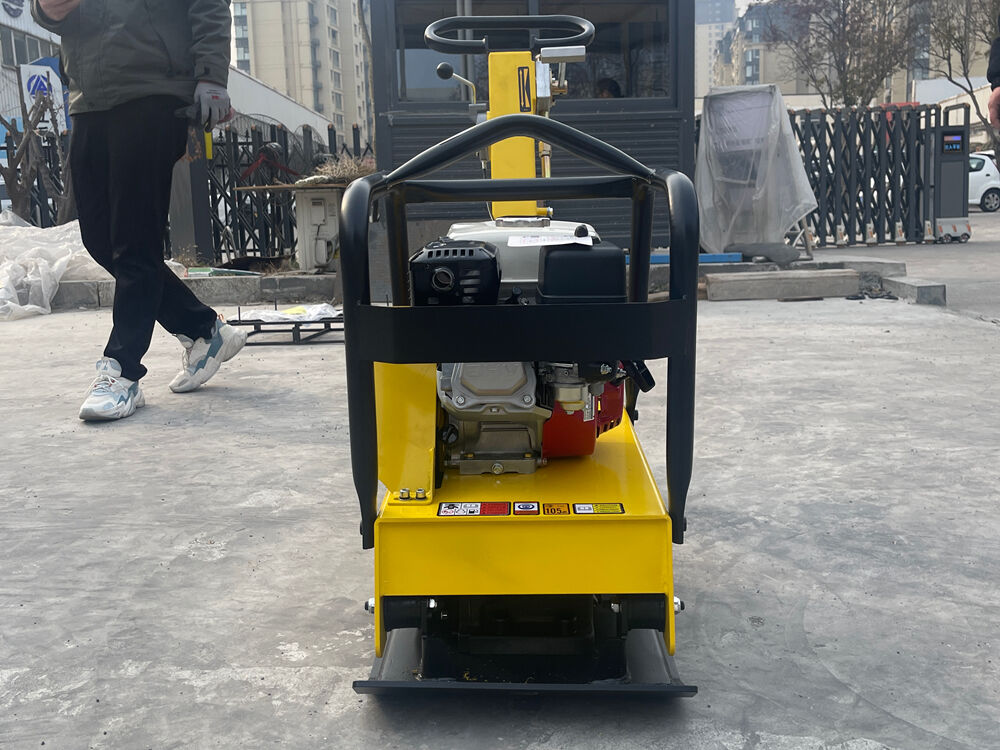
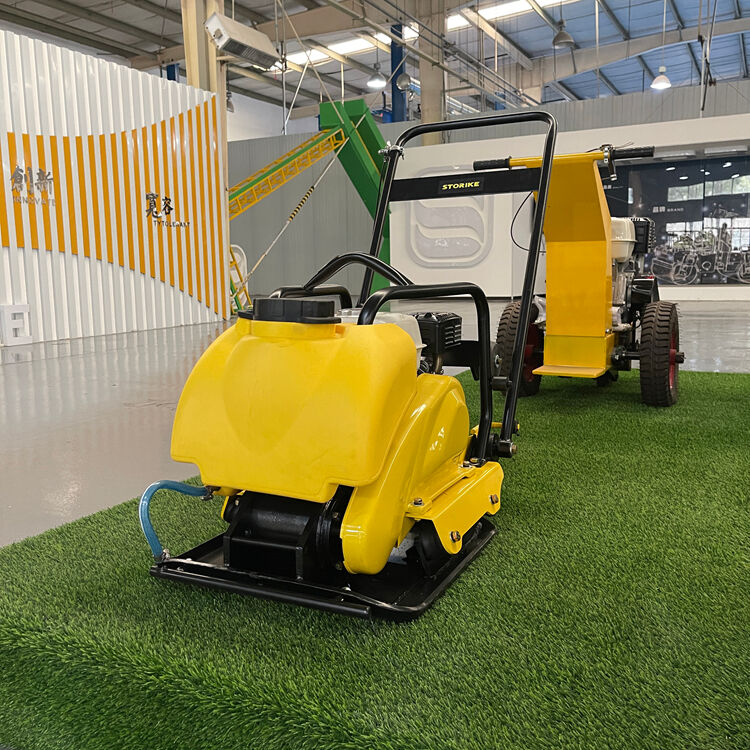
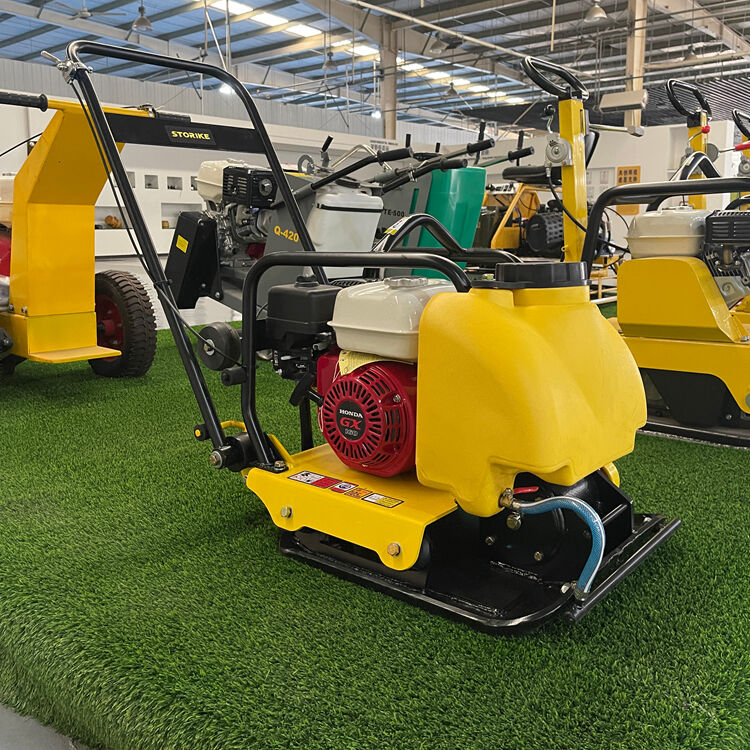
The backfilling of areas around bridge abutments and culverts is a critical operation in civil engineering that demands precision and high compaction quality to ensure long-term structural stability. Improper compaction in these zones can lead to differential settlement, which imposes undue stress on the concrete structure, potentially causing cracks or even failure. A plate compactor designed for bridge culvert backfill must be powerful enough to achieve the required density in confined spaces and with often hard-to-compact, selected backfill materials. These compactors are typically characterized by a narrow plate width, allowing them to operate effectively in the tight spaces between the abutment wall and the embankment. Despite their relatively compact size, they generate high centrifugal force to densify the soil or aggregate in controlled lifts, as specified by the project engineer. The backfill material itself is usually a free-draining granular soil to prevent water pressure buildup behind the structure. The compactor's high-frequency vibrations are ideal for settling these granular particles. Furthermore, features like a swivel joint on the water sprinkler system (if used) ensure continuous operation without hose tangling. The consequence of using inadequate equipment is the risk of "voids" or poorly compacted areas behind the abutment, which can lead to a phenomenon known as "the bump at the end of the bridge," a noticeable and hazardous dip in the road surface as it meets the bridge deck. Therefore, selecting the right compactor is paramount. For technical specifications on our plate compactors engineered specifically for critical infrastructure backfilling applications, please get in touch with our engineering support team. We can provide guidance on model selection based on your project's specific material and density requirements.
Copyright © by 2025 Shandong Storike Engineering Machinery Co., Ltd.