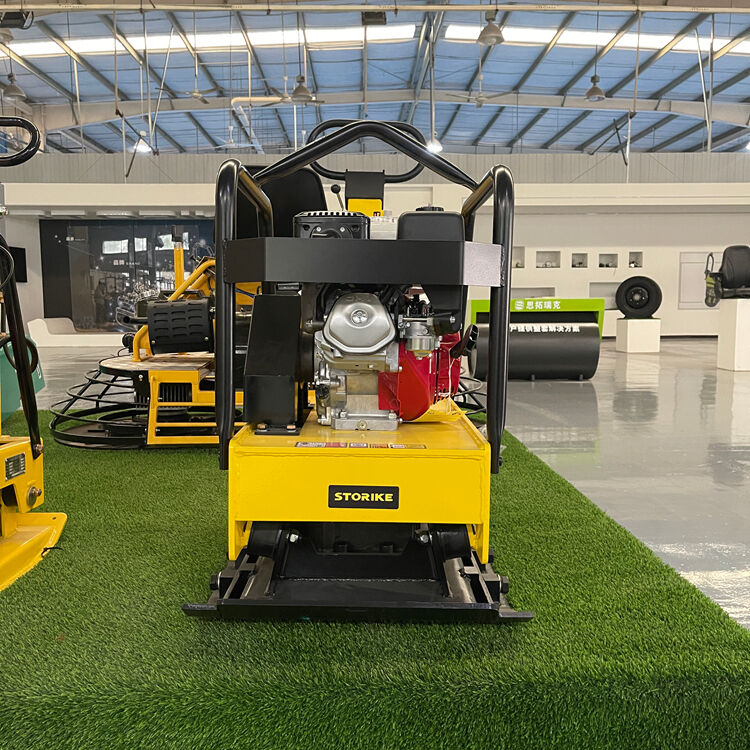
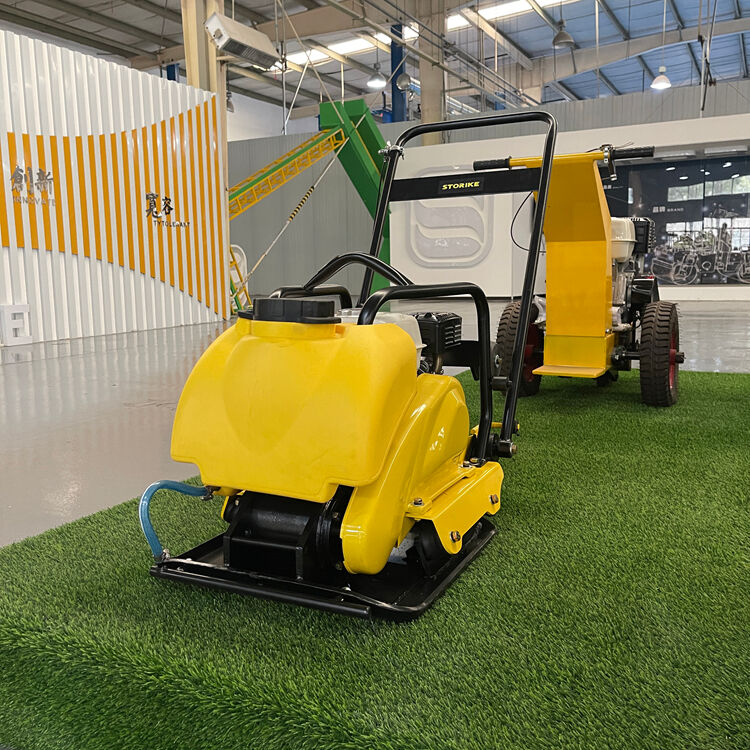
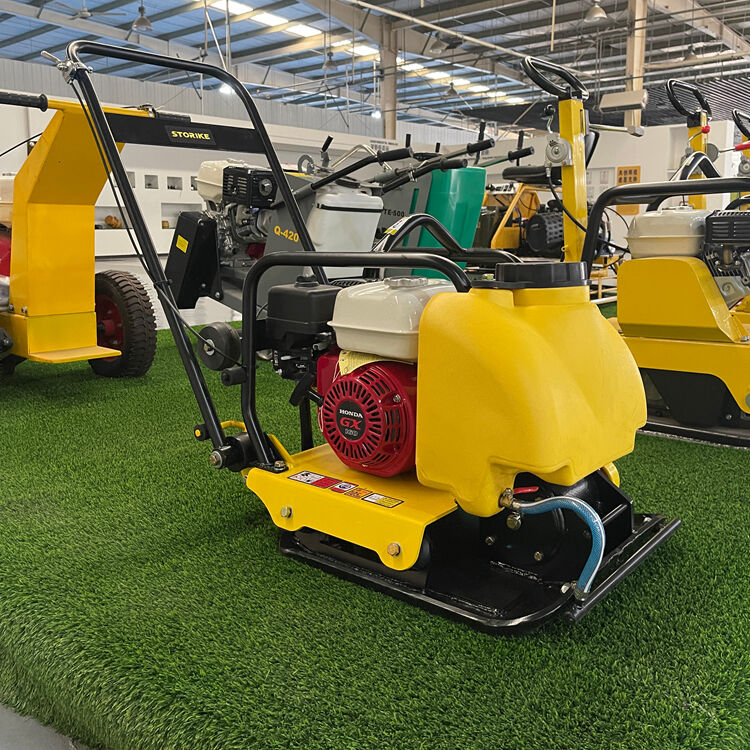
Diesel-powered plate compactors are the workhorses of large-scale construction sites, prized for their exceptional torque, fuel efficiency, and renowned durability. The diesel engine's fundamental advantage lies in its high compression ratio, which generates more power per unit of fuel compared to gasoline engines, making it exceptionally economical for continuous, heavy-duty operation. This fuel efficiency translates directly to lower operating costs and less frequent refueling stops, which is a significant productivity advantage on major projects like road construction, industrial floor slabs, and port facilities. The robust construction of diesel engines is designed to withstand the demanding conditions of a construction site, including dust, vibration, and long working hours. They typically have a longer operational lifespan than their gasoline counterparts. Furthermore, diesel fuel is less volatile and therefore safer to store and handle on site in large quantities. The high torque output of a diesel plate compactor is particularly beneficial when dealing with challenging materials like cohesive clay soils or thick layers of aggregate, as it maintains consistent vibration force under load. This ensures uniform compaction density across the entire project area, which is a non-negotiable requirement for infrastructure that must bear heavy loads for decades. While diesel engines have historically been associated with higher noise and emission levels, modern models are equipped with advanced emission control systems and sound-dampening enclosures to meet stringent regulatory standards. For contractors seeking a powerful, reliable, and cost-effective compaction solution for demanding construction applications, a diesel plate compactor is often the preferred choice. To discuss the specific power and performance needs of your project and to receive information on our diesel-powered models, please contact us for a detailed consultation.
Copyright © by 2025 Shandong Storike Engineering Machinery Co., Ltd.