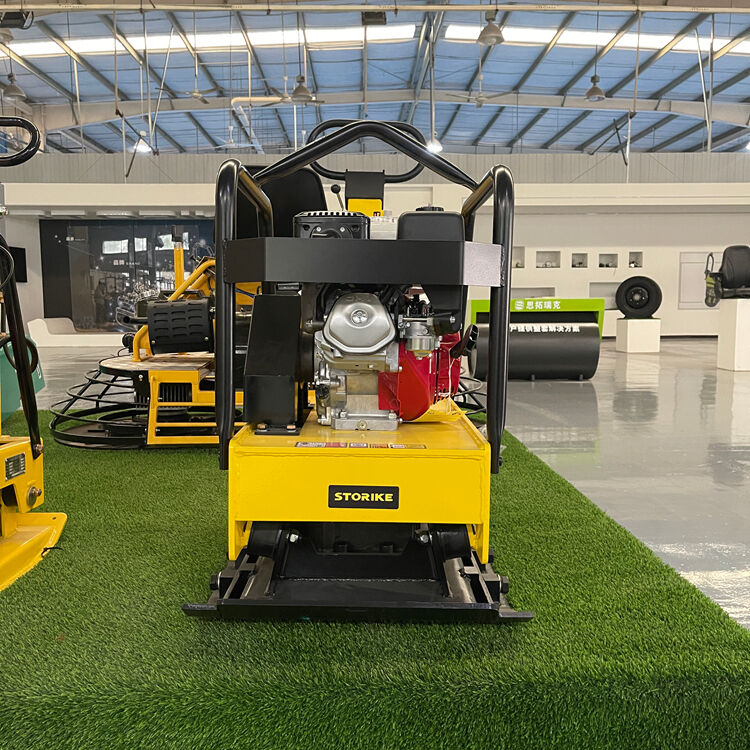
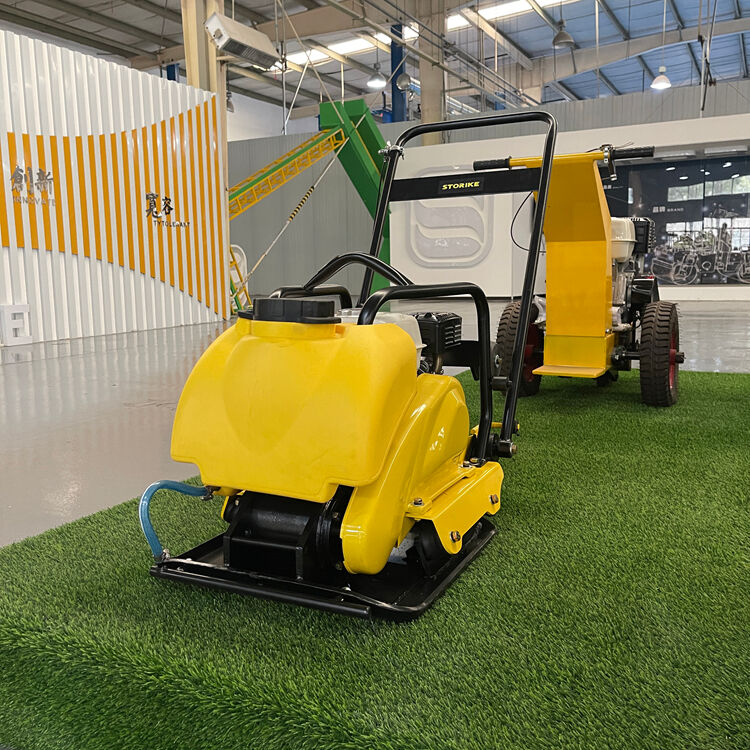
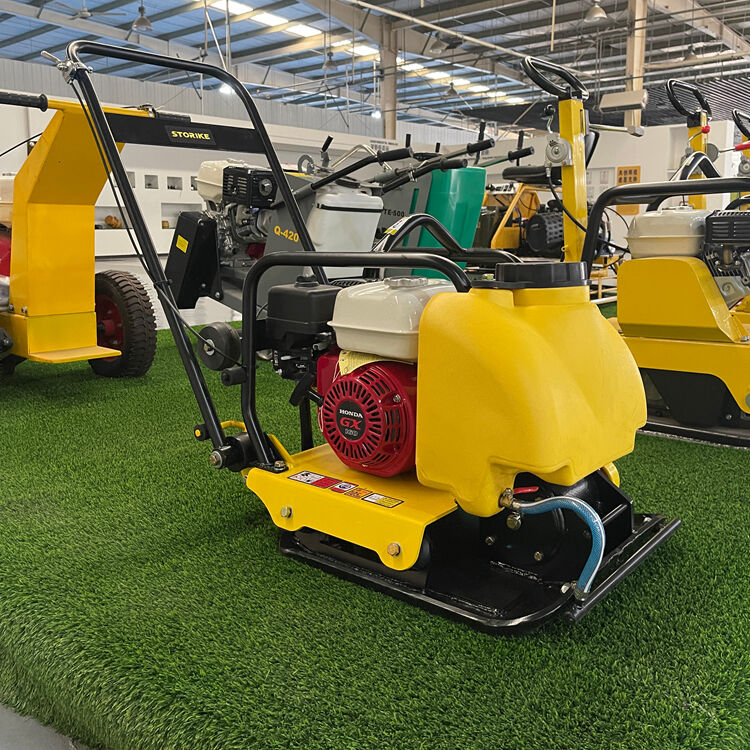
The base plate of a compactor is subject to extreme abrasion as it constantly slides over rough, sharp materials like gravel, crushed rock, and recycled concrete. A wear-resistant plate compactor is built with durability as a primary focus, utilizing advanced materials and hardening techniques to extend the service life of the base plate, thereby reducing downtime and maintenance costs. The economic impact of a worn-out base plate is significant, as it leads to loss of compaction efficiency, increased fuel consumption, and ultimately, the need for a costly replacement. To combat wear, manufacturers employ several strategies. The base plate may be fabricated from high-tensile strength steel that is significantly thicker than standard plates. The most common enhancement is through-hardening or the application of a wear-resistant coating, such as a boron steel treatment or a carburizing process that creates an exceptionally hard surface layer while maintaining a tough core to resist cracking. Some models feature replaceable wear shoes or skid plates on the leading edge, which is the area that experiences the most abrasion. This modular design allows for quick and inexpensive replacement of the most vulnerable parts instead of the entire plate. For contractors who regularly work with highly abrasive aggregates or on demolition sites with rough subgrades, investing in a wear-resistant model is a prudent decision that maximizes the return on investment by minimizing operational interruptions and repair expenses. The robust construction of these compactors also generally indicates a higher overall build quality. For detailed specifications on the materials and hardening technologies used in our wear-resistant plate compactors, we invite you to contact our technical department. We can help you select a machine built to withstand the demands of your specific work environment.
Copyright © by 2025 Shandong Storike Engineering Machinery Co., Ltd.